The Hudson-Fulton Celebration
In the autumn of 1909, New York City staged the Hudson-Fulton Celebration, a two-week civic festival marking the 300th anniversary of Henry Hudson’s voyage up the river that bears his name and the 100th anniversary of Robert Fulton’s first commercial steamboat journey. The Metropolitan Museum of Art seized the occasion to mount what became the most ambitious loan exhibition of Dutch seventeenth-century paintings ever assembled in the United States. Organized by Wilhelm Valentiner, the show brought together 149 works spanning Rembrandt, Frans Hals, and Vermeer, drawn almost entirely from private American collections.
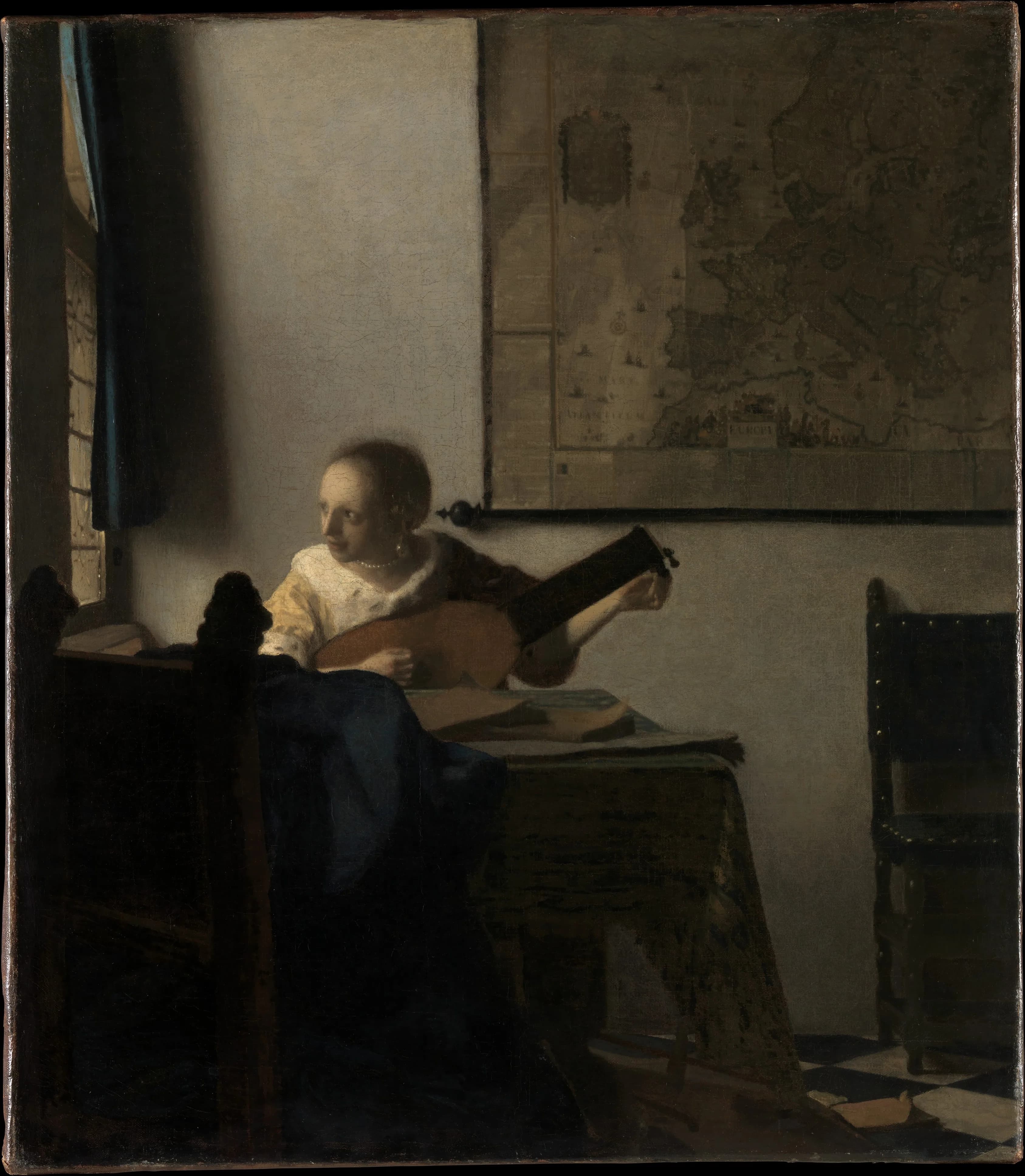
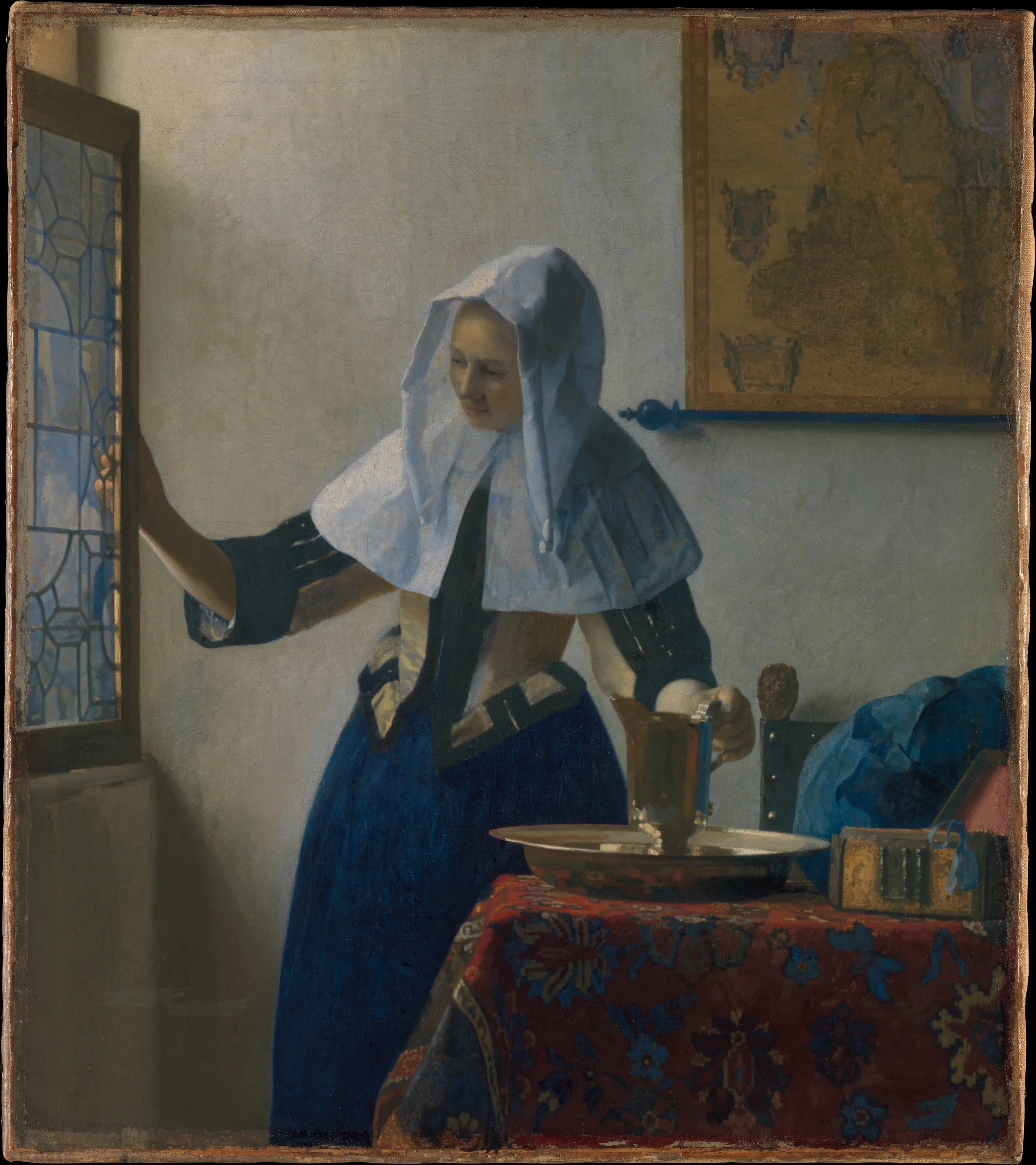
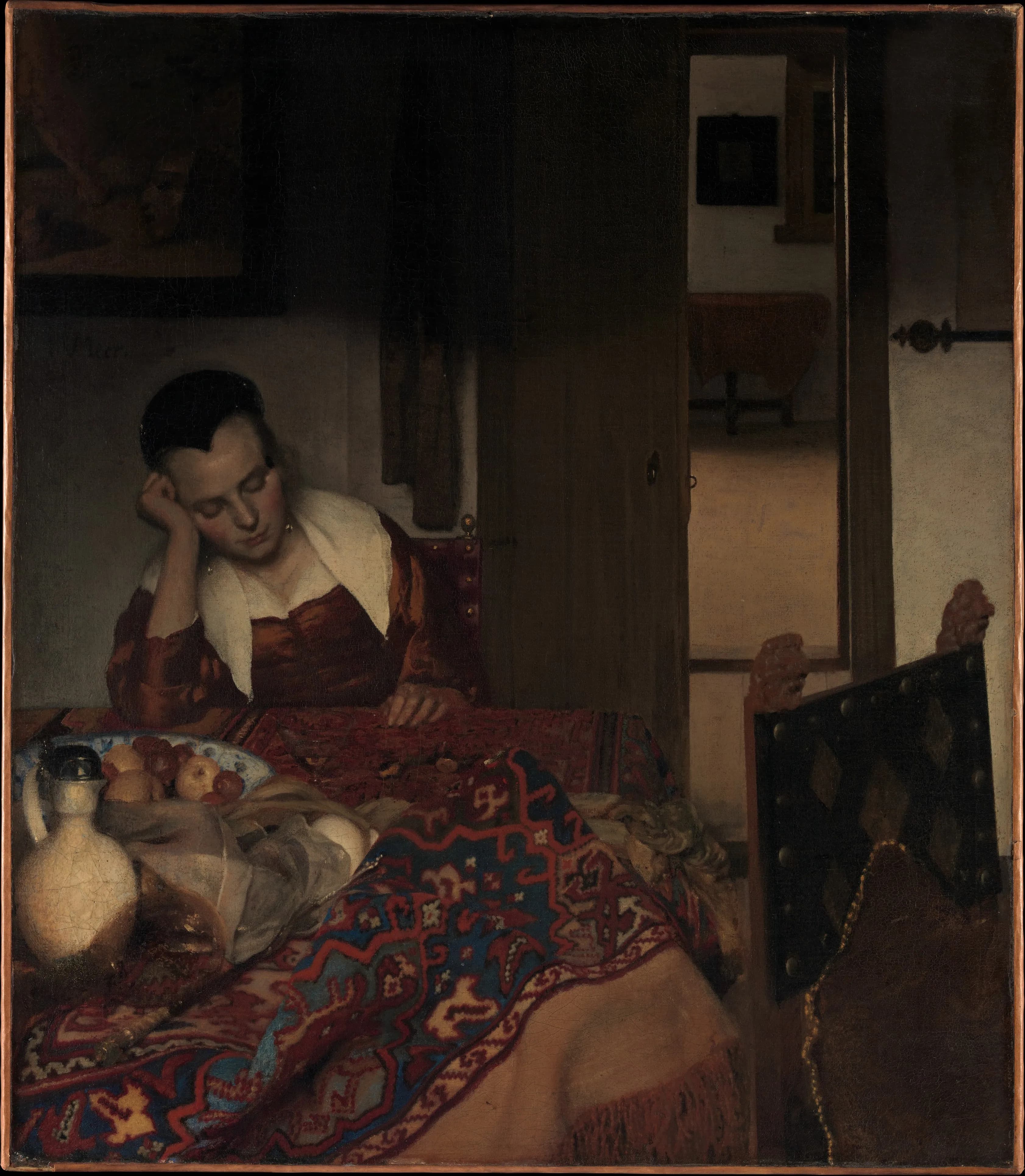
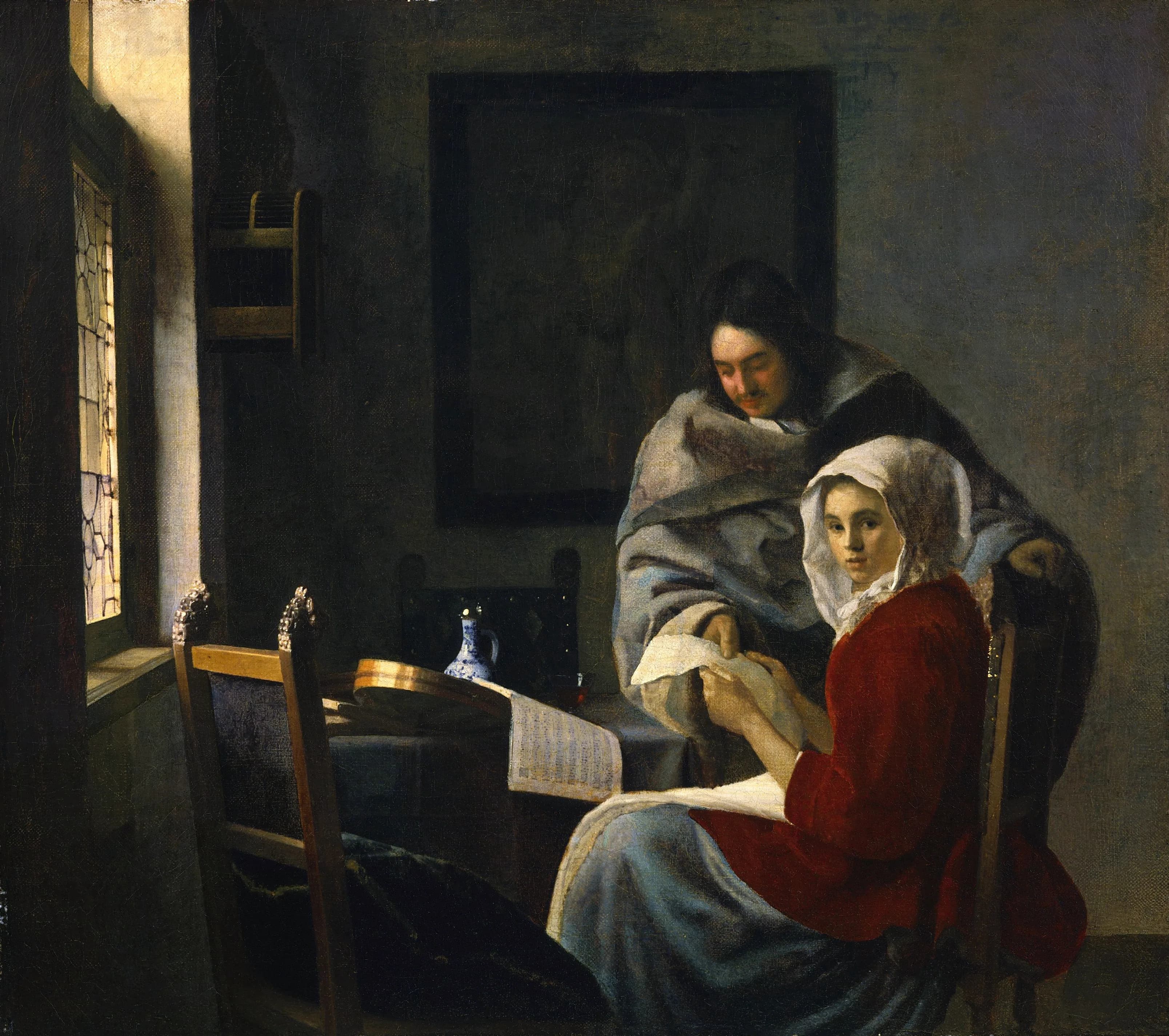
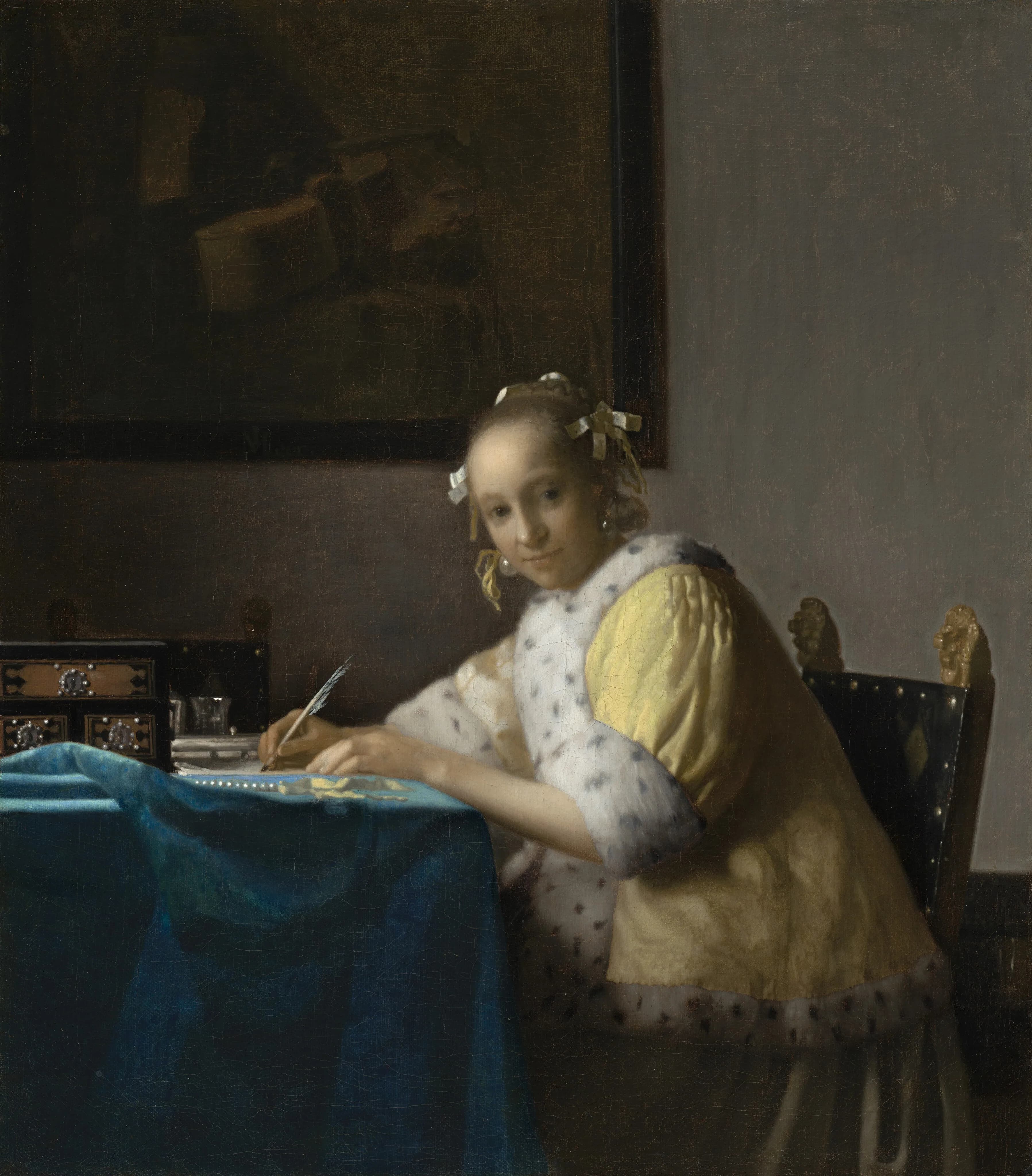
Five Vermeers appeared in the exhibition. The Woman with a Lute (cat. no. 135) was lent by Mrs. Collis P. Huntington (Arabella Huntington), who had acquired it following her first husband’s death in 1900. A Lady Writing (cat. no. 136) came from J. Pierpont Morgan, who had purchased it in 1907 and placed it on extended loan at the Met. The Young Woman with a Water Pitcher (cat. no. 137) was already in the permanent collection, bequeathed by Henry G. Marquand in 1889. A Maid Asleep (cat. no. 137A) belonged to Benjamin Altman, who would bequeath it to the Met on his death in 1913. Girl Interrupted in Her Music (cat. no. 138) was lent by Henry Clay Frick, who had acquired it in 1901.
The exhibition coincided with passage of the Payne-Aldrich Tariff Act, which eliminated import duties on fine art and opened the door for American museums to expand their European holdings. It demonstrated, as one contemporary observer noted, that wealthy American collectors had staked a decisive claim to the Dutch Golden Age, and it remains the greatest assembly of Dutch masterpieces ever gathered on American soil.
- Dates
- 25 Sept 1909 – 9 Oct 1909