Senses and Sins: Dutch Painters of Daily Life in the Seventeenth Century. Städelsches Kunstinstitut und Städtische Galerie
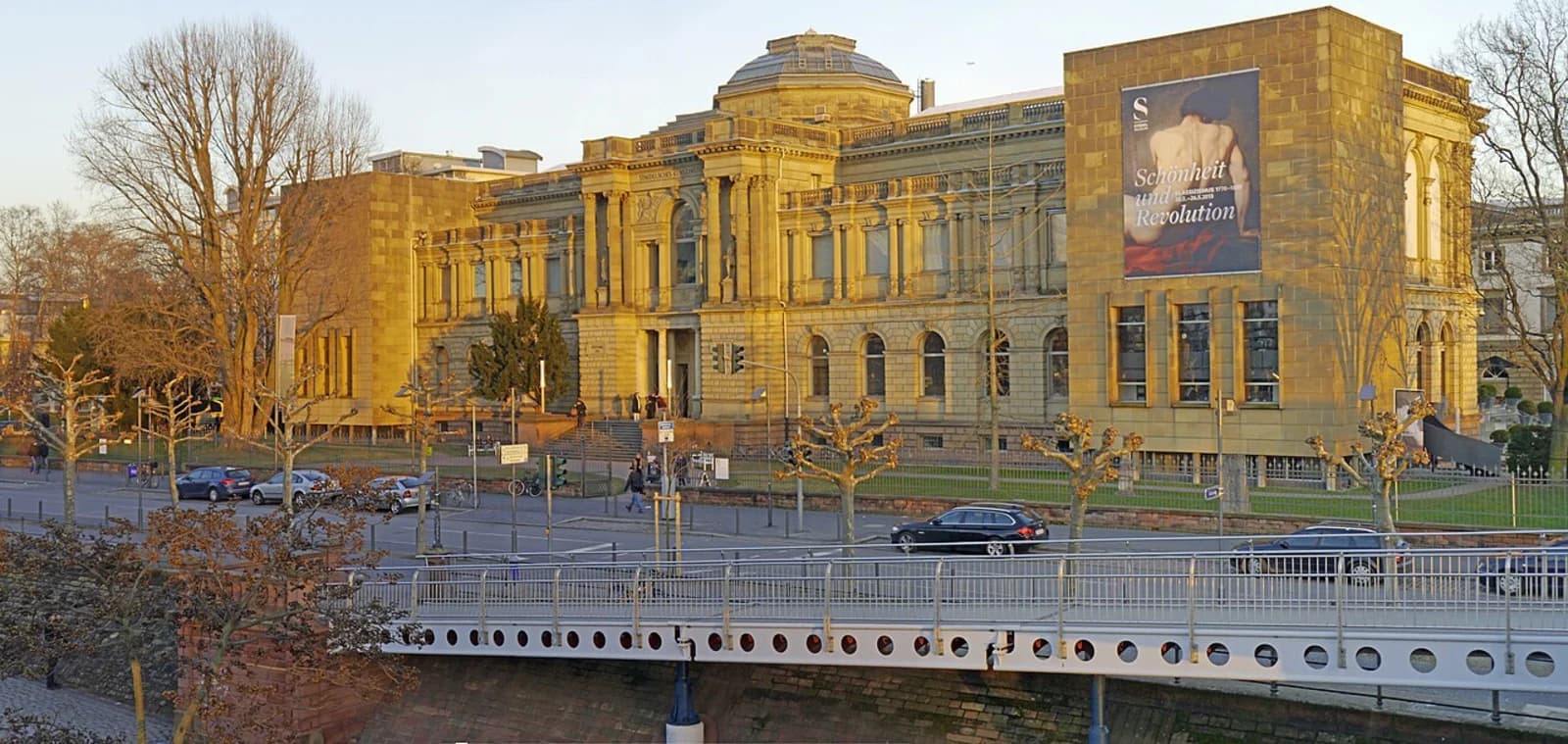
“Senses and Sins: Dutch Painters of Daily Life in the Seventeenth Century” brought together some seventy-six paintings by twenty-two artists to examine Dutch Golden Age genre painting from a fresh interpretive angle. The exhibition was organised jointly by Museum Boijmans Van Beuningen in Rotterdam, where it opened in October 2004, and the Städelsches Kunstinstitut und Städtische Galerie in Frankfurt, which presented the show from February through May 2005. The catalogue was edited by Jeroen Giltaij with essays by Peter Hecht and Alexandra Gaba-Van Dongen, and published by Hatje Cantz. Rather than treating the term “genre” as a neutral descriptor, the scholars argued that it flattened the moral, sensory, and social energies that animated Dutch scenes of domestic life. The title pointed to the show’s central tension: the same images that celebrated the pleasures of music, letter-writing, and learned study also encoded warnings about idleness, vanity, and appetite.
The exhibition drew on major masters of the tradition, including Adriaen Brouwer, Adriaen van Ostade, Gerrit Dou, Gerard ter Borch, Jan Steen, Pieter de Hooch, Gabriel Metsu, and Frans van Mieris, as well as Vermeer. Taken together, the works traced a spectrum from coarse peasant scenes, long associated with the vices of drink and gluttony, to refined interiors where satin-clad women wrote letters or played instruments and the moral stakes were more subtly concealed. Scholars had debated since Eddy de Jongh’s influential 1976 exhibition “Tot lering en vermaak” how literally to read such moralising layers, and “Senses and Sins” reopened those questions by placing works from across the social register in direct dialogue, showing how the same iconographic conventions operated differently across class and context.
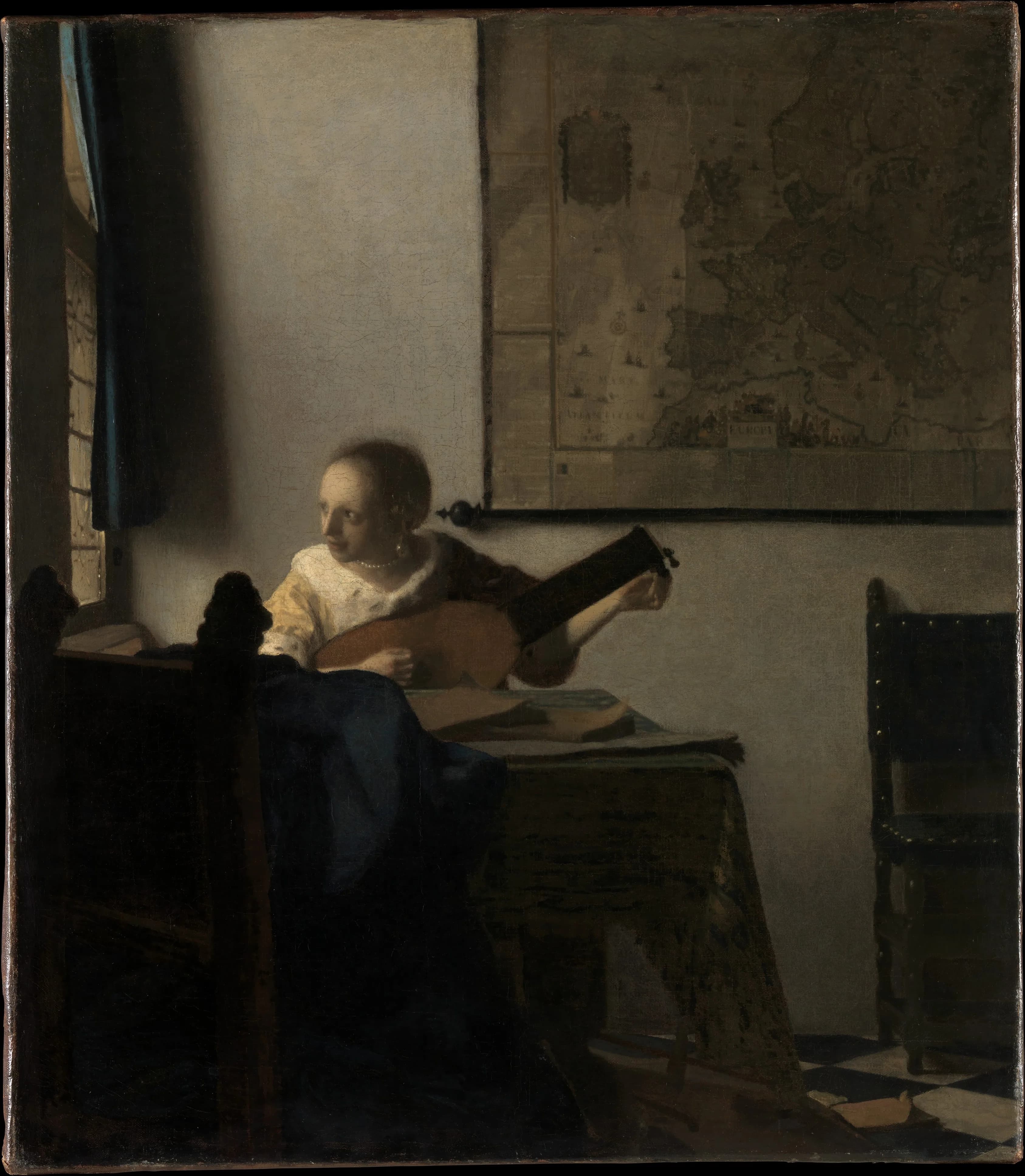
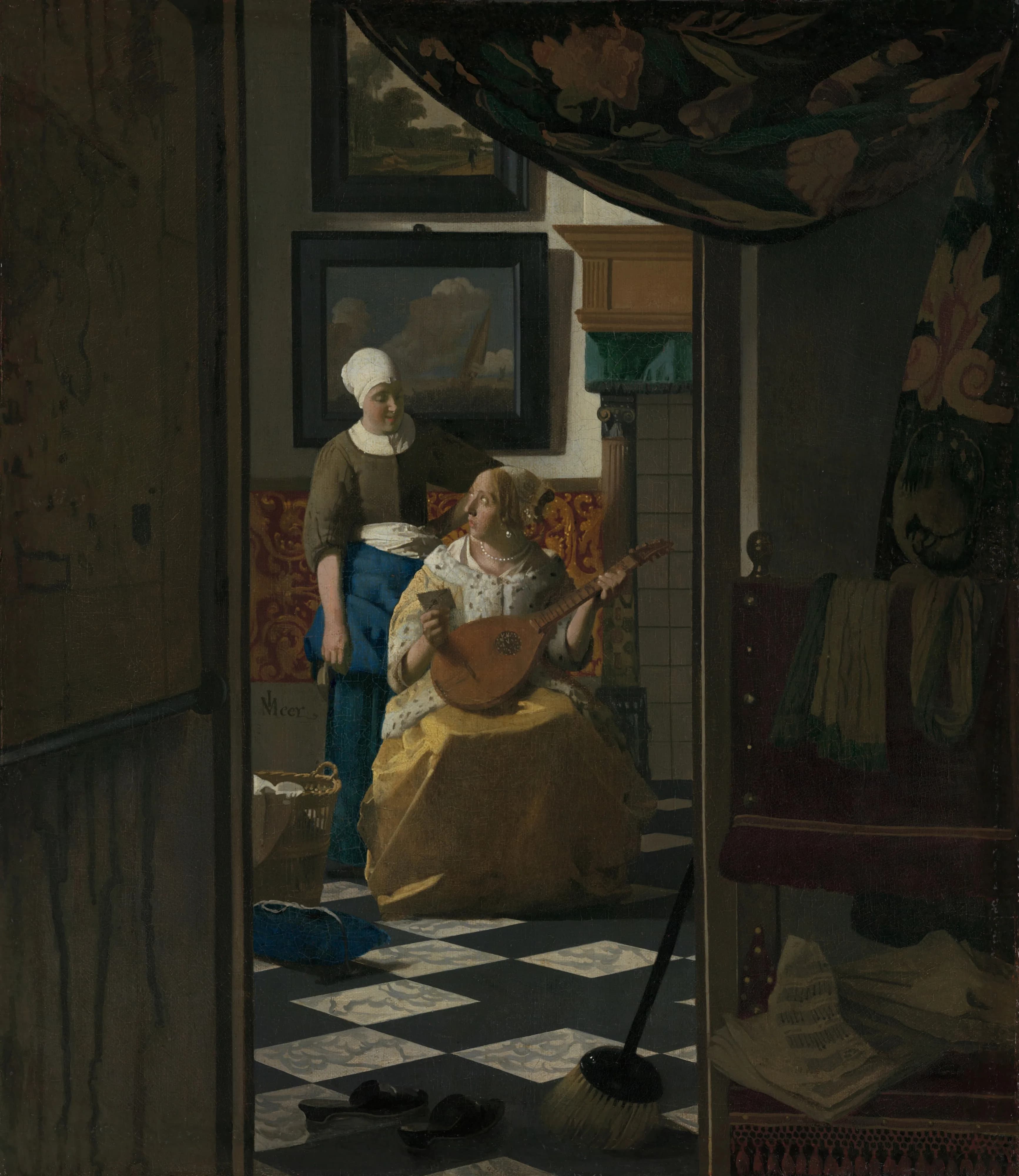
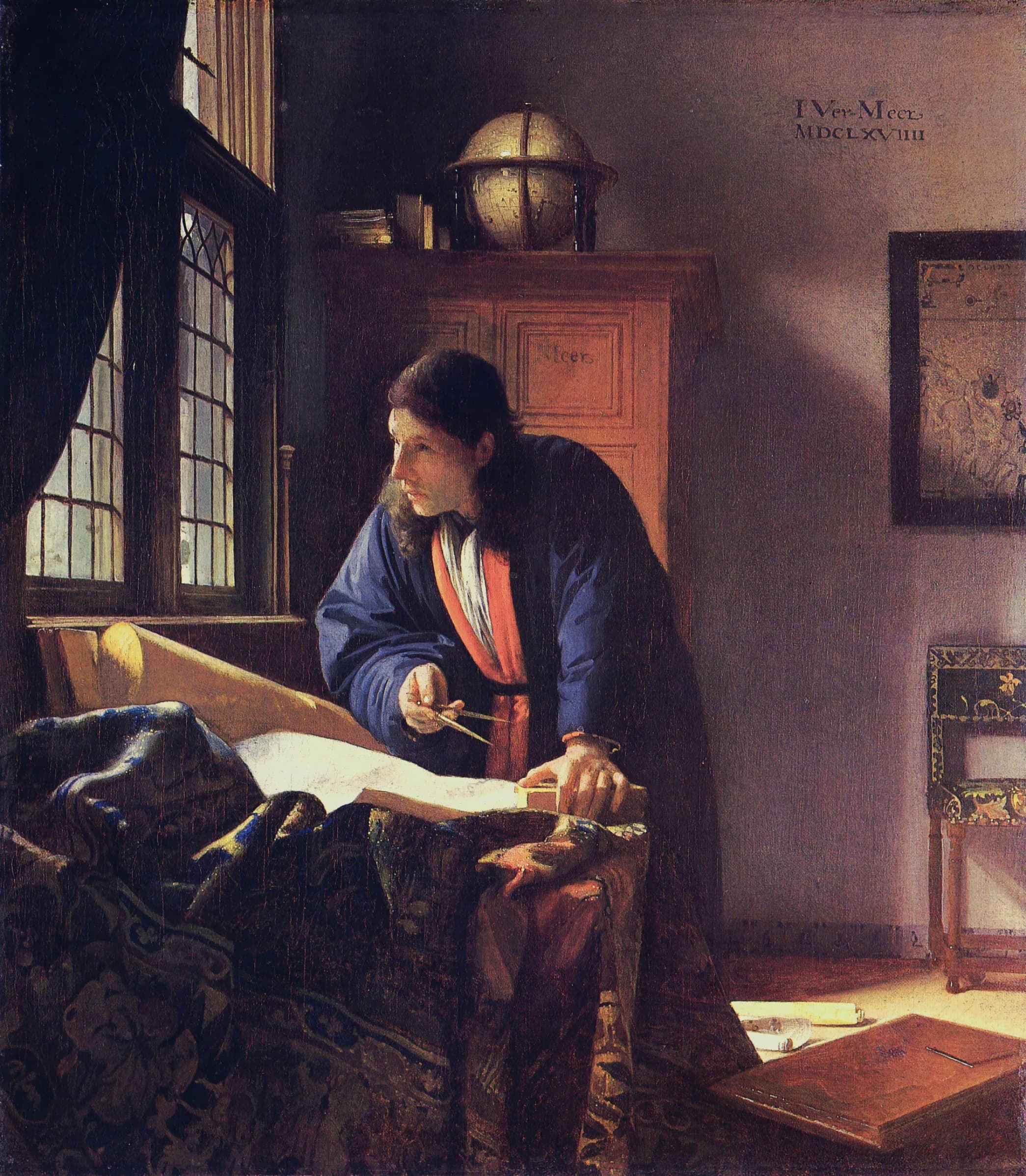
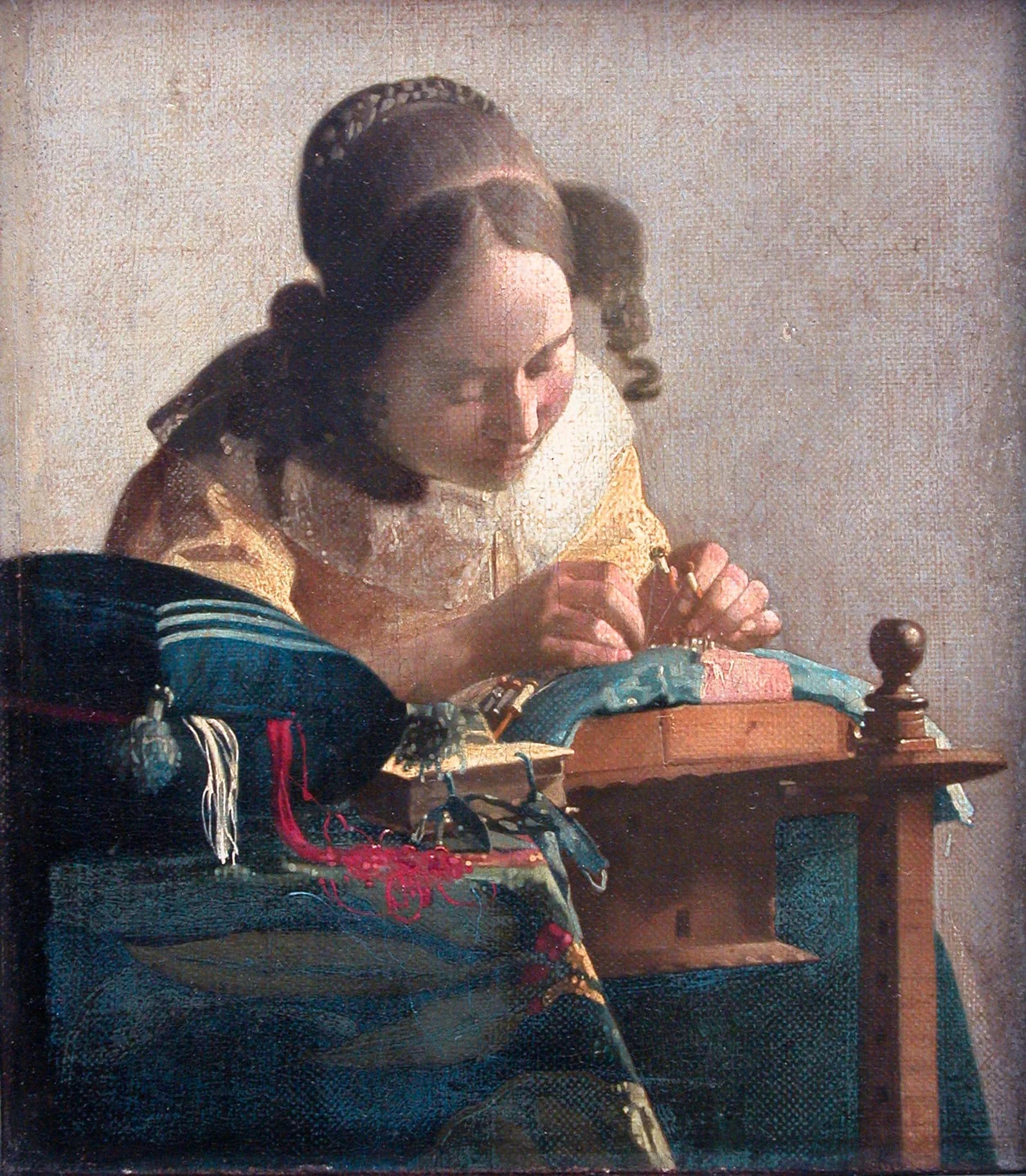
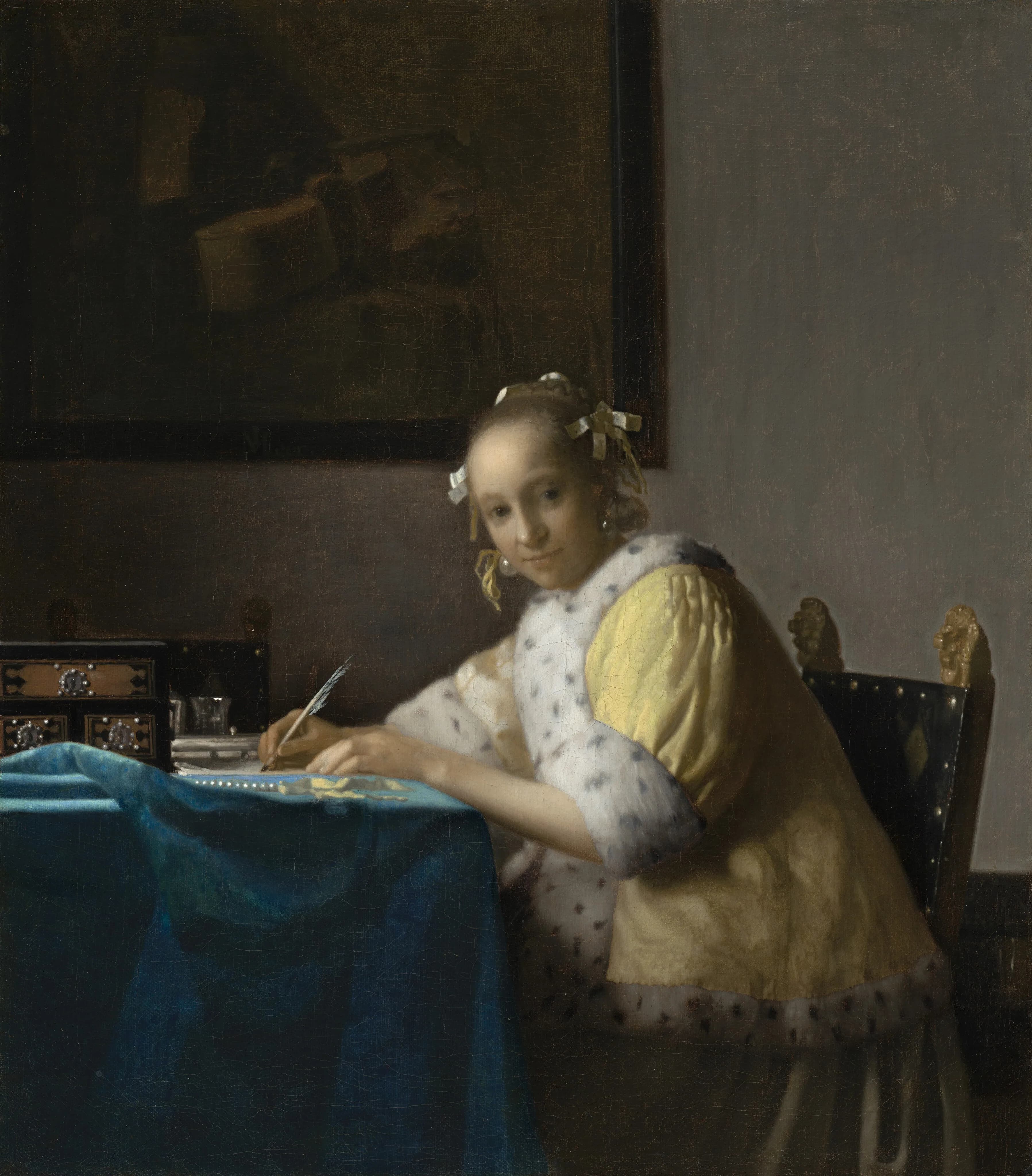
Five paintings by Vermeer were included in the Frankfurt presentation, an unusually rich gathering. The Städel’s own Geographer appeared alongside loans from across Europe and North America: The Lacemaker from the Louvre, The Love Letter from the Rijksmuseum, Woman with a Lute from the Metropolitan Museum of Art, and A Lady Writing from the National Gallery of Art in Washington. Each of the five depicts a figure absorbed in a quiet, purposeful activity, and each carries the ambiguity the exhibition foregrounded: concentration or distraction, devotion or idleness, the cultivation of virtue or the indulgence of the senses.
- Dates
- 10 Feb 2005 – 10 May 2005
- Museum
 Städel Museum