Senses and Sins: Dutch Painters of Daily Life in the Seventeenth Century
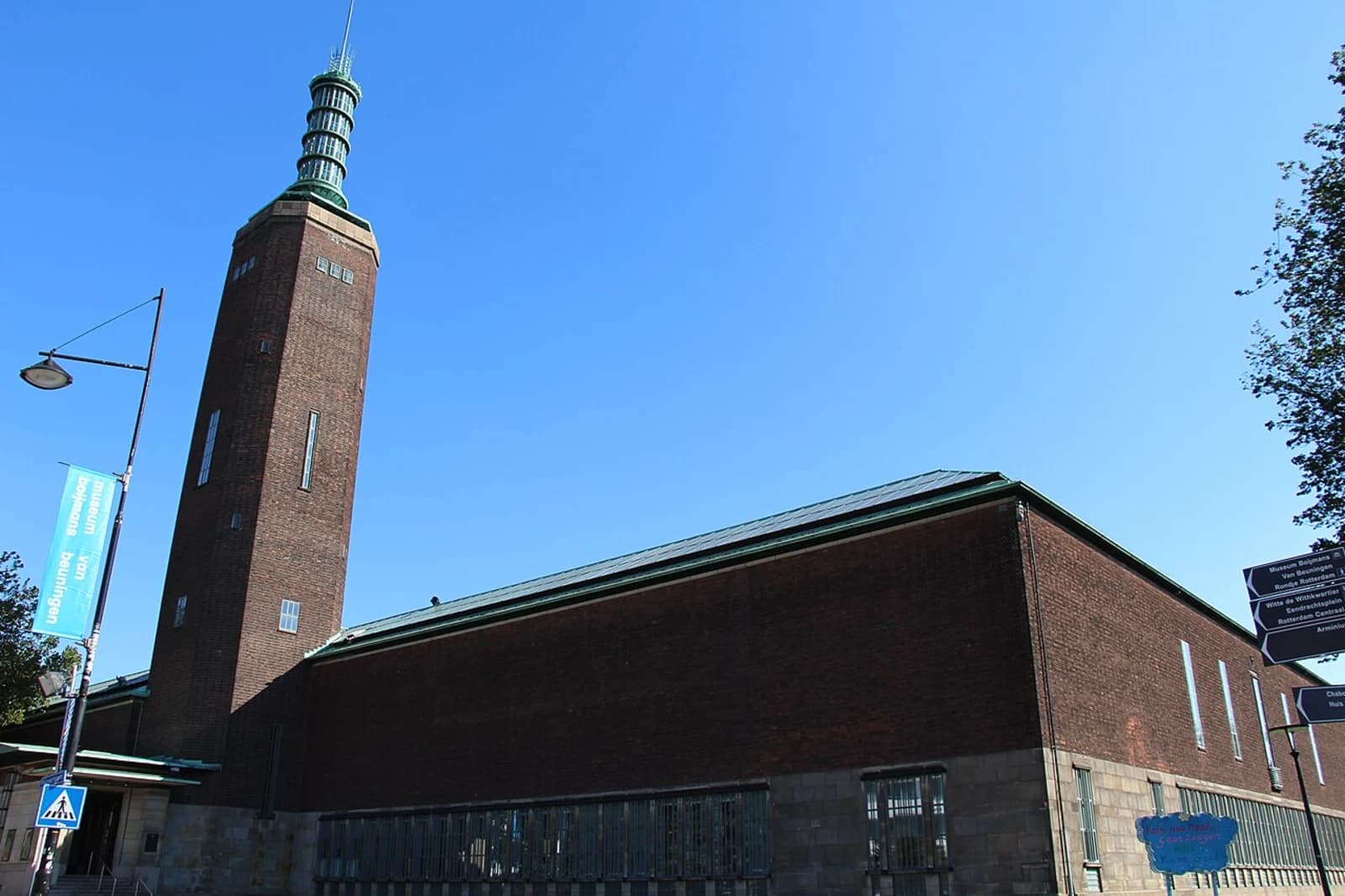
“Senses and Sins: Dutch Painters of Daily Life in the Seventeenth Century“ was a major survey exhibition organised by Museum Boijmans Van Beuningen, Rotterdam, and the Städelsches Kunstinstitut und Städtische Galerie, Frankfurt am Main. Curated by Jeroen Giltaij, it brought together 82 paintings by 22 artists to trace the development of Dutch genre painting from the early inventions of Willem Buytewech around 1620 through the refined cabinet works of Frans van Mieris around 1670. The Rotterdam presentation ran from 23 October 2004 to 9 January 2005, before travelling to Frankfurt (10 February to 1 May 2005).
The exhibition examined how painters of everyday life encoded ideas about the five senses and moral conduct within seemingly mundane domestic scenes, tracing a tradition that encompassed both rowdy tavern subjects and intimate interiors of measured refinement. Works by Adriaen Brouwer, Adriaen van Ostade, Gerrit Dou, Gerard ter Borch, Jan Steen, Pieter de Hooch, Gabriel Metsu, and Frans van Mieris were drawn from museums across the Netherlands and abroad. The accompanying catalogue, published by Hatje Cantz with essays by Giltaij, Peter Hecht, and Alexandra Gaba-van Dongen, offered scholarly appraisals of each of the 22 painters represented.
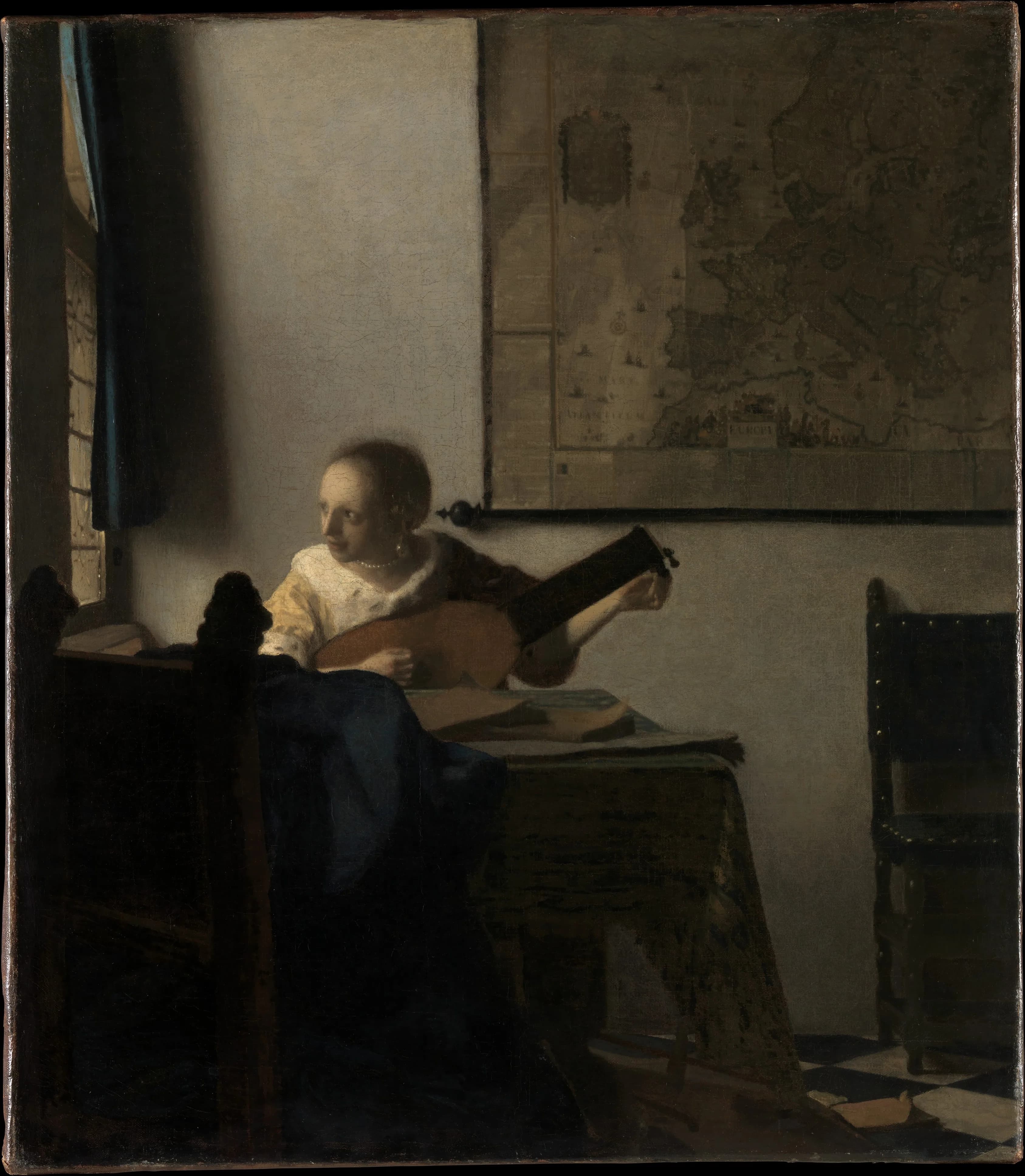
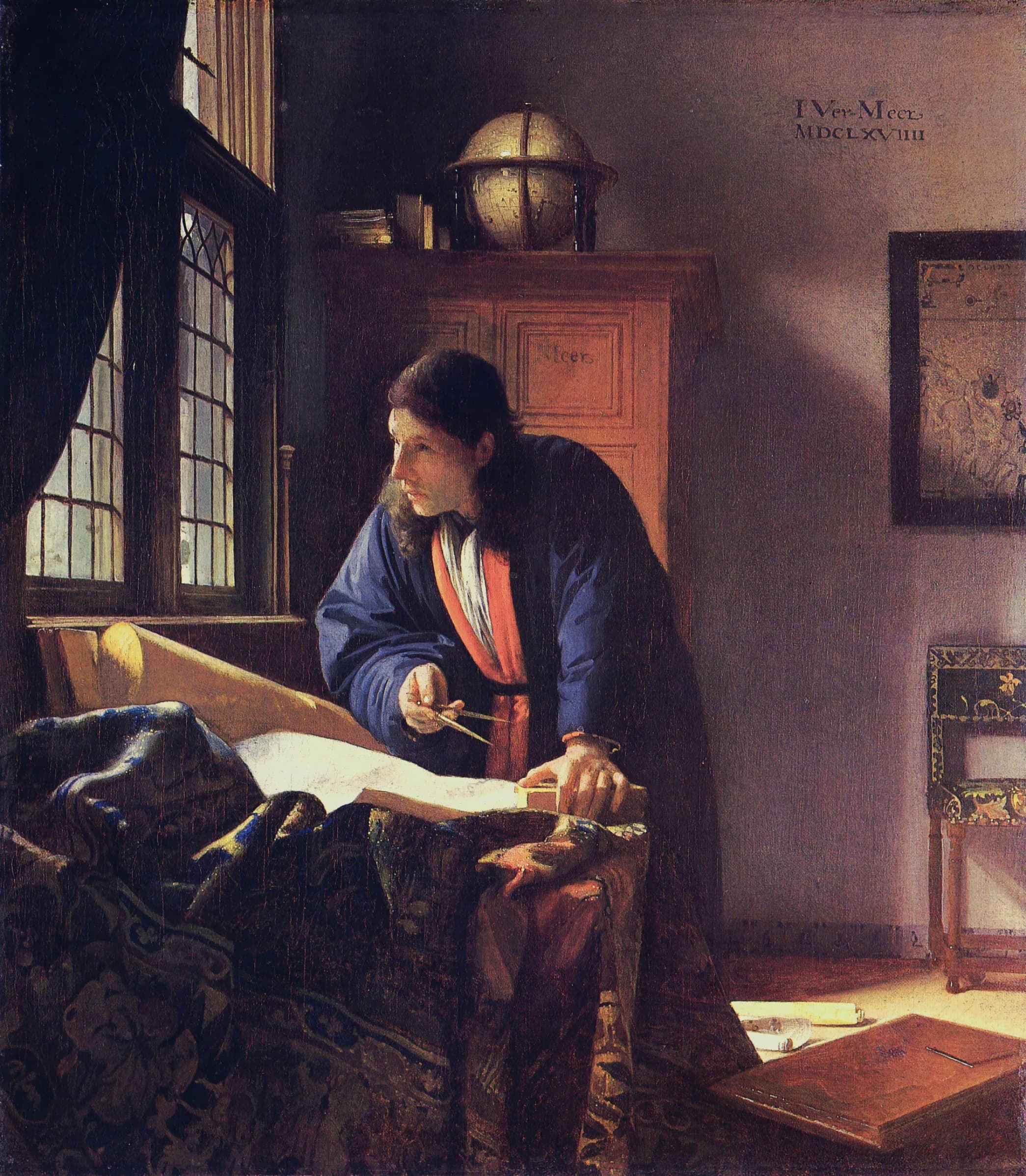
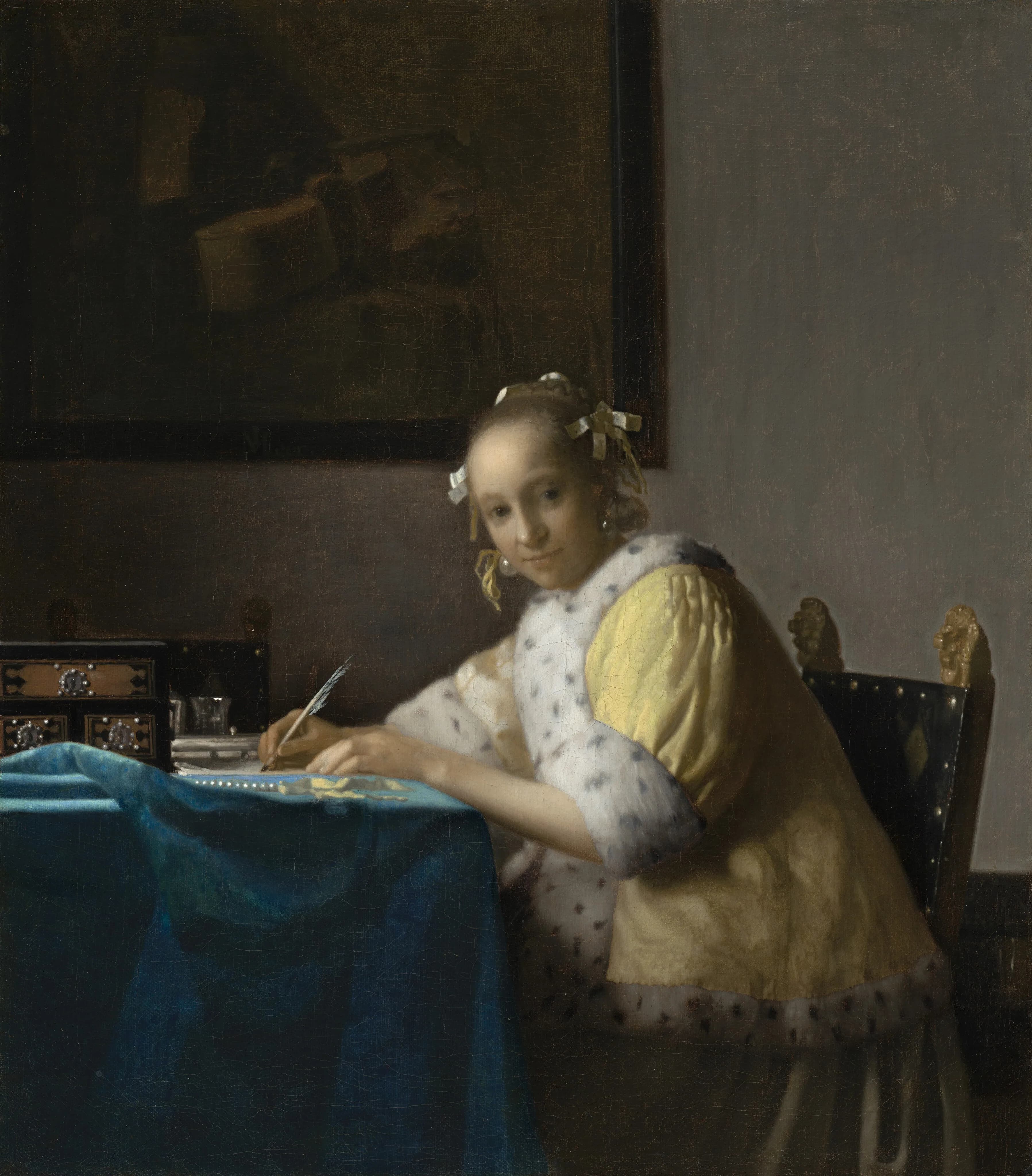
Three Vermeer paintings formed the exhibition’s most distinguished loans. “Woman with a Lute” (Metropolitan Museum of Art, New York) and “A Lady Writing” (National Gallery of Art, Washington) both depict women absorbed in solitary music or correspondence within serene, light-filled interiors, and placed Vermeer’s restrained psychological focus in direct dialogue with the broader tradition the exhibition explored. “The Geographer“ (Städel Museum, Frankfurt), one of Vermeer’s two known scholar paintings, was shown as a highlight of the Frankfurt leg, where it returned to its permanent home in the Städel collection after appearing first in Rotterdam. Together the three loans underscored Vermeer’s singular place at the apex of a tradition that elevated the everyday to something close to the transcendent.
- Dates
- 23 Oct 2004 – 9 Jan 2005