Dutch Masters. In Swedish Ownership
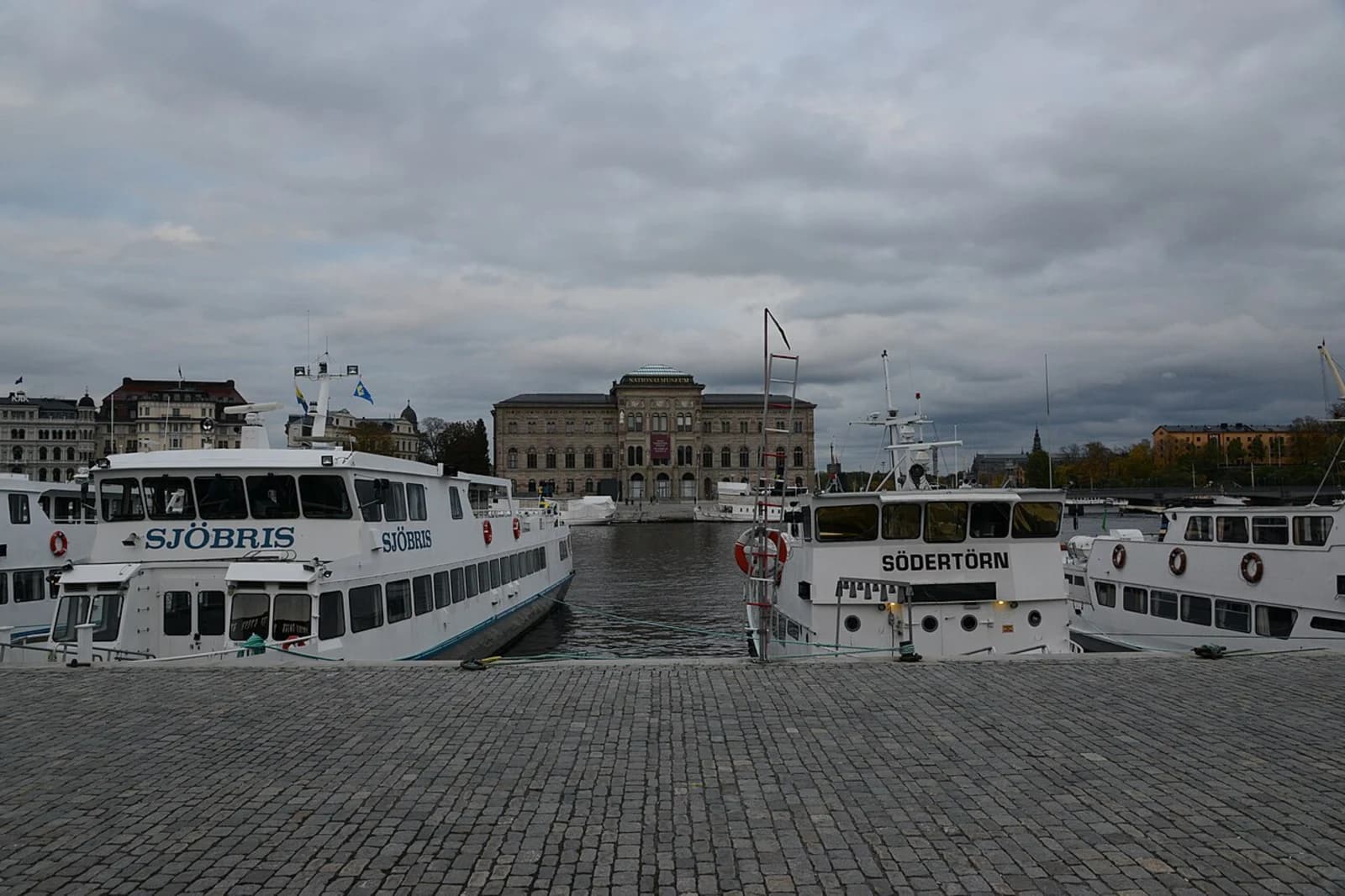
Held at the Nationalmuseum on Stockholm’s Blasieholmen peninsula in the spring of 1967, “Holländska mästare. I svensk ägo” brought together Dutch Golden Age paintings from Swedish private collections alongside select loans from major European institutions. The catalogue, edited by Carl Nordenfalk and Bo Wennerberg, ran to 204 pages and surveyed a tradition of Dutch picture-collecting in Sweden that stretched back to the seventeenth century, when Dutch and Flemish merchants and industrialists settled in the country and brought their art with them. Works were lent by Swedish families and private individuals, with the exhibition documenting, for one of the first times, the breadth of Dutch old master paintings still held in Swedish hands in the mid-twentieth century.
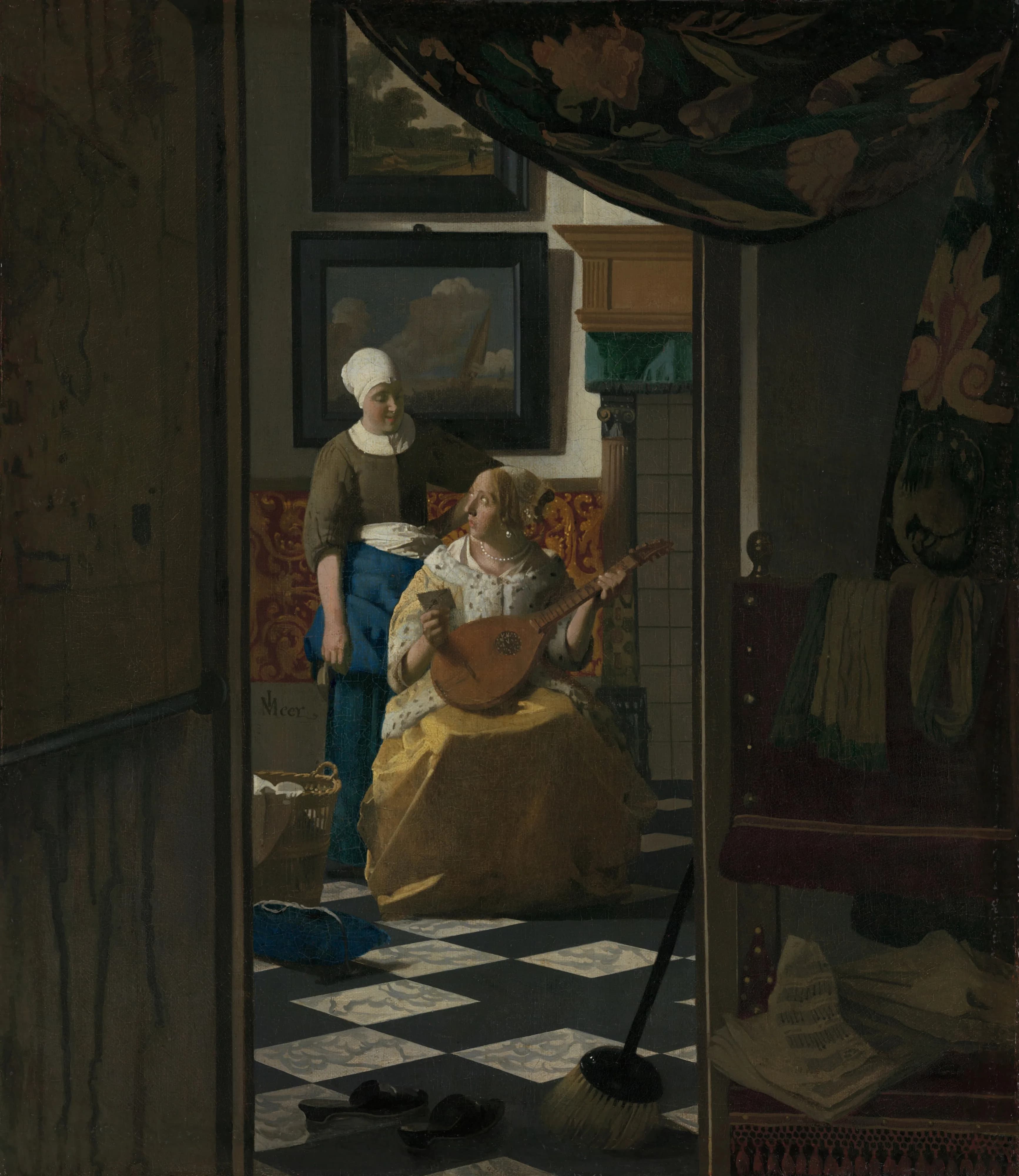
Vermeer’s “The Love Letter” (c. 1669–70, Rijksmuseum, Amsterdam) was included as catalogue number 26 and illustrated as plate 9. The painting had entered the Rijksmuseum in 1893, purchased with the support of the Vereniging Rembrandt at the Messchert van Vollenhoven sale in Amsterdam, and was lent by the museum to the Stockholm exhibition. Its inclusion among works primarily drawn from Swedish private collections reflected the Nationalmuseum’s ambition to present the finest available examples of Dutch genre painting alongside the domestically-held works. The intimate scene of a young woman receiving a letter from her maid, set behind a trompe-l’oeil doorway, was at this period still relatively little known outside specialist circles, and its appearance in Stockholm was one of only a handful of international loans it had made since entering the Rijksmuseum’s collection.
- Dates
- 30 Mar 1967 – 30 Apr 1967
- Museum
 Nationalmuseum