Exhibition of Caravaggio and the Caravaggesque Painters
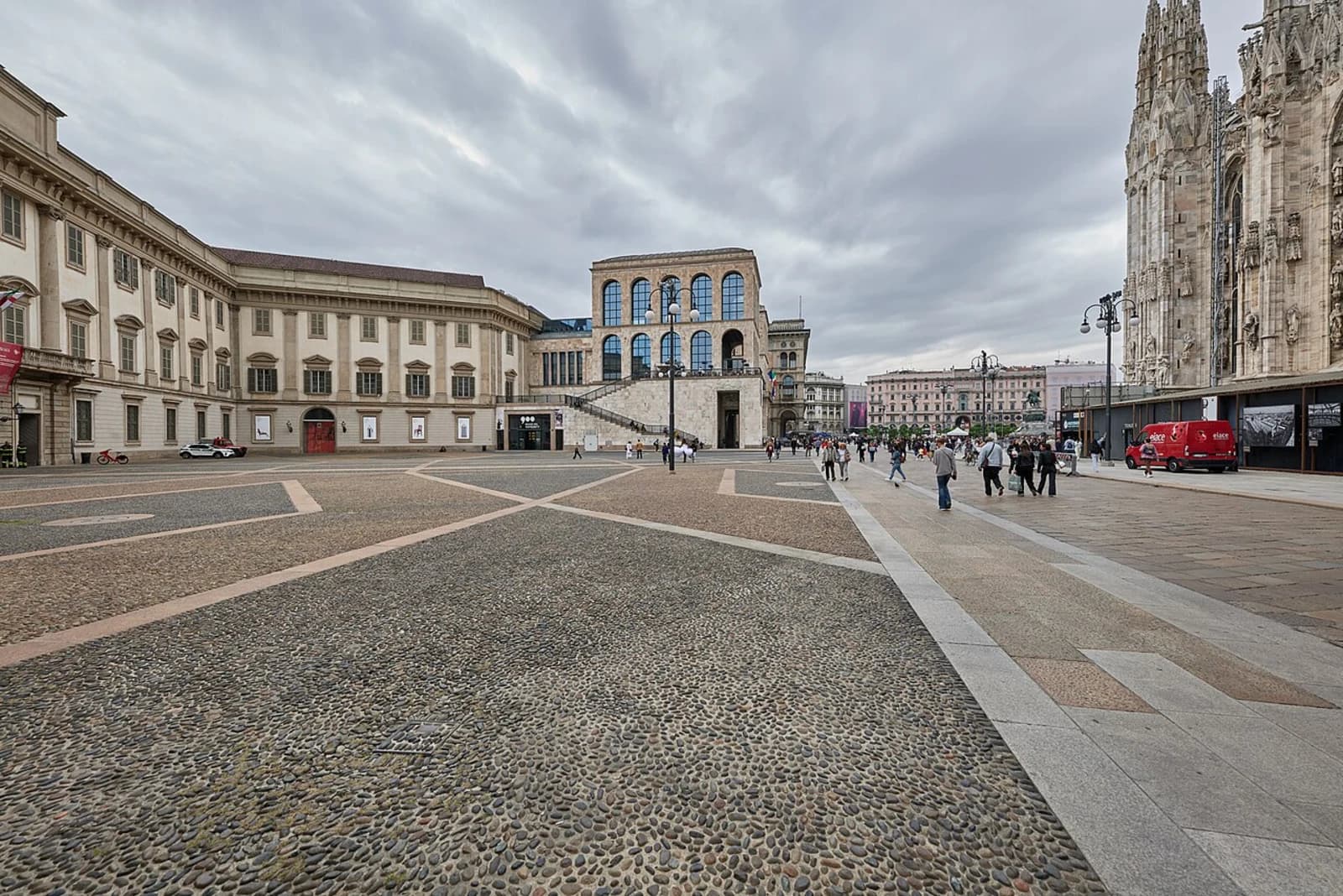
Organised by the art historian Roberto Longhi and staged at the Palazzo Reale in Milan from April to June 1951, the Mostra del Caravaggio e dei Caravaggeschi was one of the most consequential art exhibitions in postwar Italy. Longhi had devoted decades of scholarship to rehabilitating Caravaggio, who had long been marginalised by academic taste, and this show was the culmination of that effort. Drawing on loans from churches, private collections, and museums across Europe, it assembled an unprecedented number of authenticated works by Caravaggio alongside paintings by his followers, making visible for the first time the full sweep of his influence from Rome and Naples to Utrecht and Madrid. The catalogue, published by Sansoni in Florence, became a landmark reference in the field. More than 400,000 visitors attended over the three months, a number that astonished organisers and confirmed that the rehabilitation of Caravaggio had become a genuinely popular as well as scholarly event.
The exhibition’s scope extended well beyond Italian Baroque painting. Longhi traced the transmission of Caravaggio’s dramatic naturalism, his stark chiaroscuro and direct figures, through the artists who had studied in Rome and carried those lessons north. The Utrecht Caravaggists formed a central chapter of this story: painters like Hendrick ter Brugghen, Gerrit van Honthorst, and Dirck van Baburen had worked in Rome in the early seventeenth century before returning to the Netherlands, where they transformed Dutch figure painting. Vermeer came of age in Delft when the influence of the Utrecht school was still vivid, and his early works bear its unmistakable imprint in their scale, palette, and handling of light.
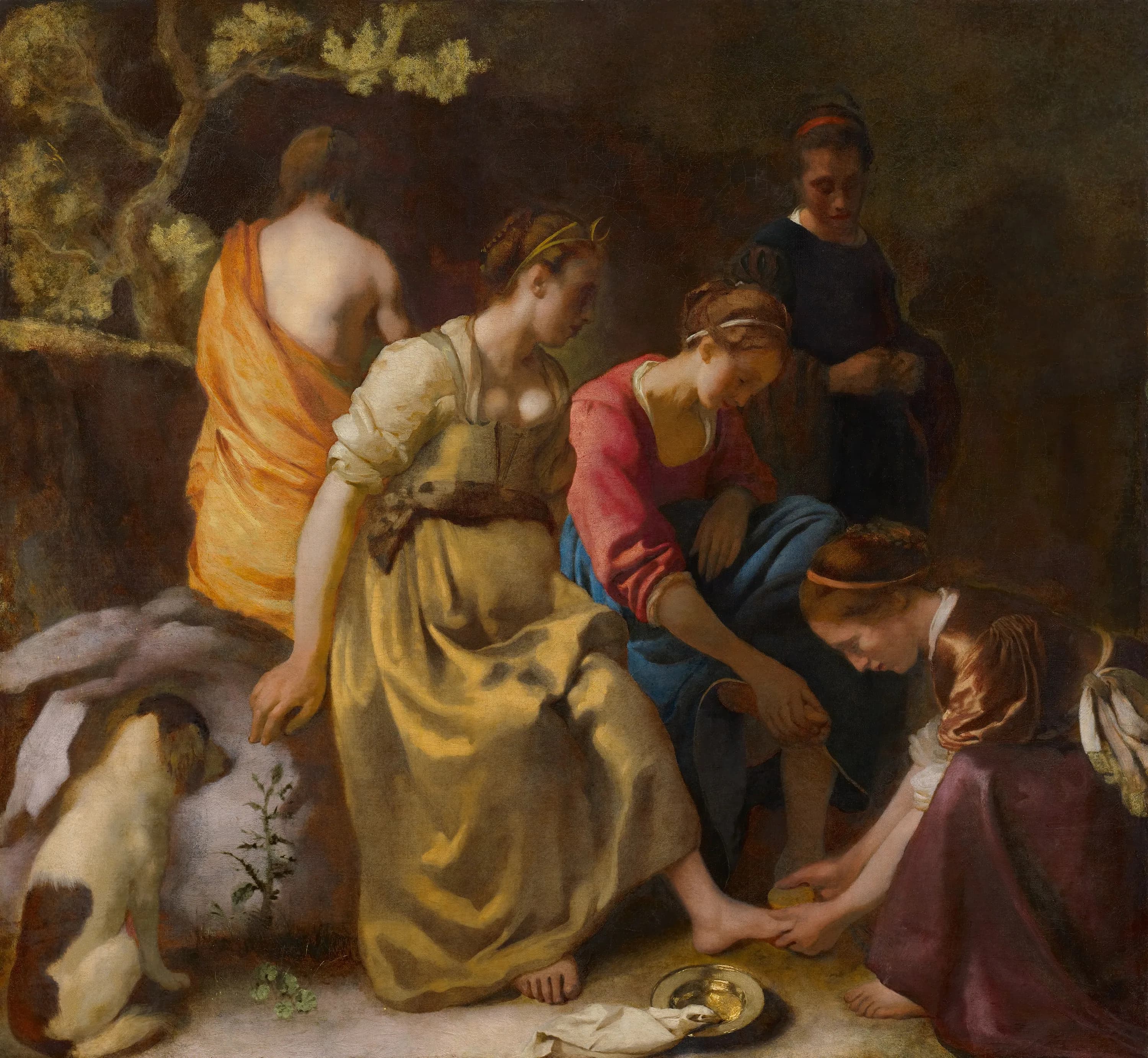
It was in this context that the Mauritshuis lent Diana and Her Companions (c. 1653-54) to the exhibition. The painting is Vermeer’s only surviving mythological subject, and its Caravaggesque character is pronounced: the figures are large, solid, and close to the picture plane; the scene is set outdoors at dusk rather than in idealised antique space; and the mood is intimate and untheatrical. These qualities had more in common with the Utrecht Caravaggists, and through them with Caravaggio’s own manner, than with the classical tradition of mythological painting. For Longhi’s argument about the reach of Caravaggio’s influence, a painting like Diana offered striking evidence that Caravaggesque naturalism had penetrated even the generation of Dutch painters who would go on to define a wholly different kind of art.
- Dates
- 1 Apr 1951 – 28 Jun 1951
- Museum
- PRPalazzo Reale