The Orange and the Rose. Holland and Britain in the Age of Observation 1600–1750
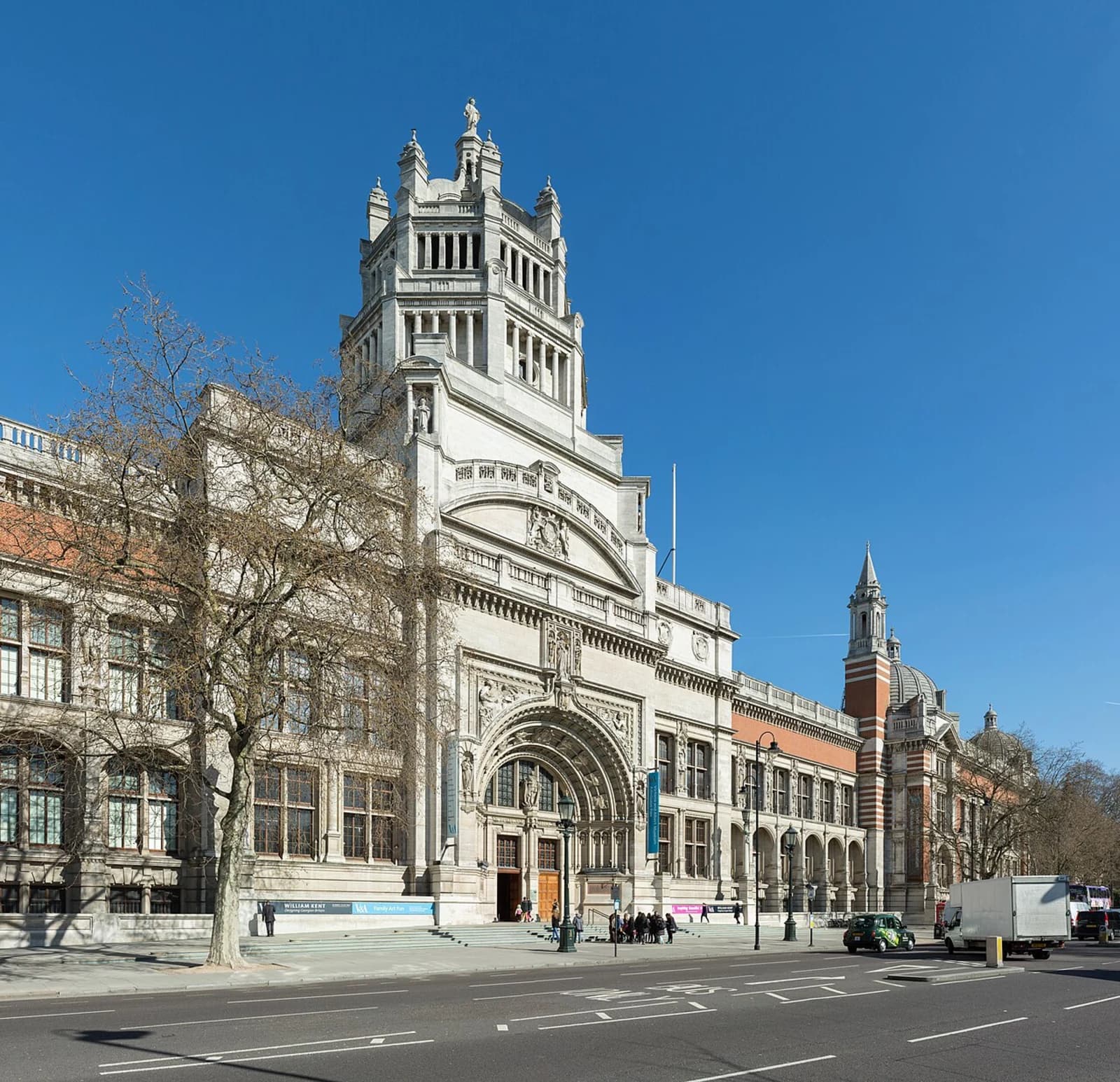
Held at the Victoria and Albert Museum from 22 October to 13 December 1964, The Orange and the Rose was a wide-ranging survey of the cultural and intellectual ties between the Dutch Republic and Britain over the century and a half from 1600 to 1750. The title brought together two heraldic emblems: the orange of the Dutch House of Orange and the rose of the Tudor and Stuart crowns, symbols of the dynastic and commercial bonds that drew the two nations into sustained exchange. Organised under the Anglo-Netherlands cultural convention and mounted with support from the Dutch Ministry of Education, Arts and Sciences, the Arts Council of Great Britain, and the V&A itself, the exhibition assembled paintings, drawings, prints, sculpture, silver, medals, furniture, ceramics, scientific instruments, books, and documents. The catalogue was edited by A. G. H. Bachrach.
The term Age of Observation pointed to the shared empirical outlook that characterised both cultures during this period. In the Dutch Republic and in Britain alike, the seventeenth and early eighteenth centuries saw painters, naturalists, astronomers, and instrument makers turn sustained attention to the visible world. The exhibition traced how this common disposition manifested in genre painting, still life, portraiture, cartography, and the applied arts, and how patronage, trade, and the movement of artists across the North Sea carried ideas and techniques between Amsterdam and London.
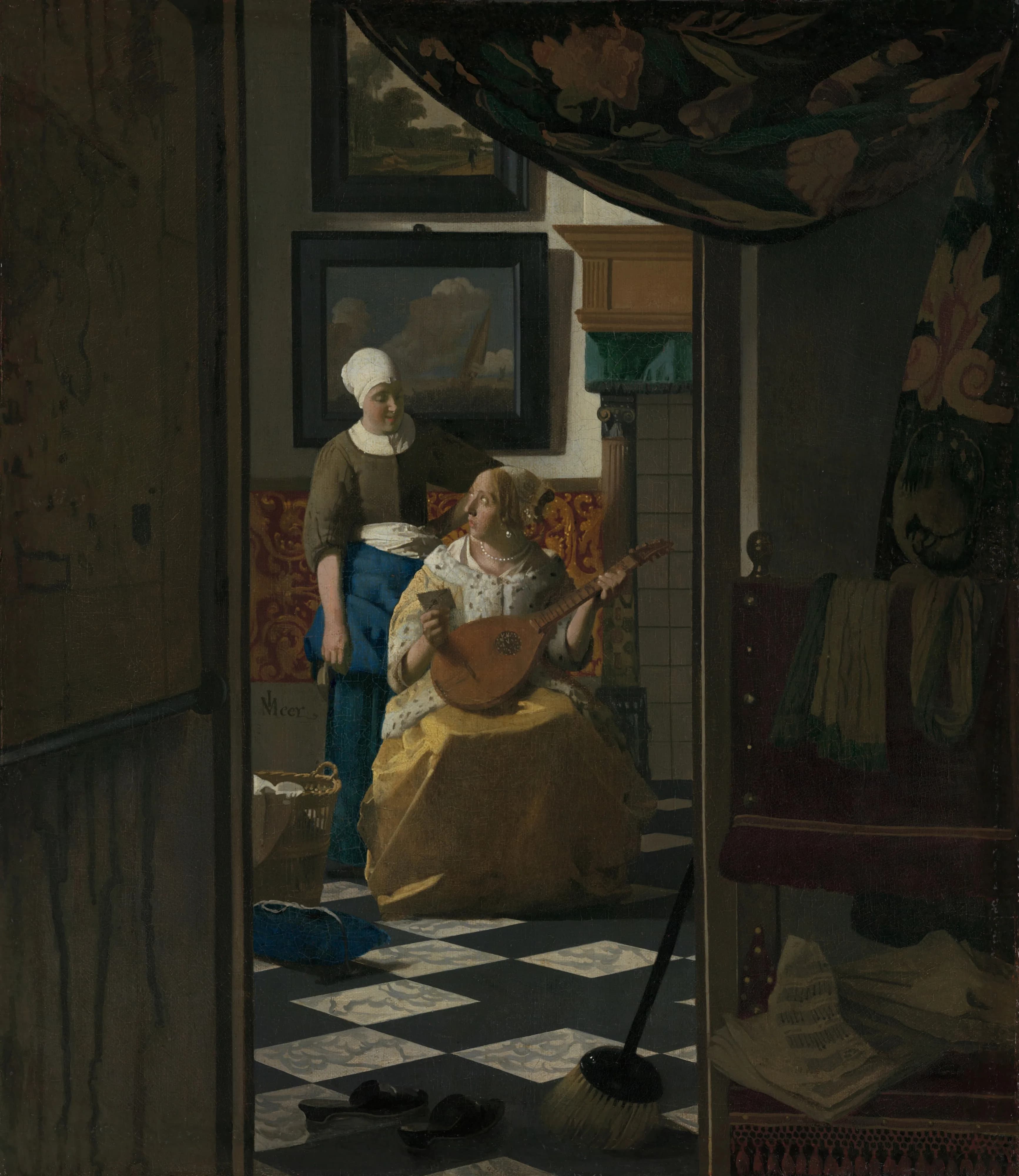
Among the Dutch paintings on loan was Vermeer’s The Love Letter (c. 1669–70) from the Rijksmuseum in Amsterdam, catalogue number 74. The picture, in which a seated woman receives a letter from her maidservant, exemplifies the quiet domestic observation that the exhibition placed at the heart of the Dutch tradition. Its inclusion alongside English portraits, scientific instruments, and decorative objects underscored the broader argument that attentiveness to everyday life and the material world united Dutch and British culture far more than it divided them.
- Dates
- 22 Oct 1964 – 13 Dec 1964