Masterpieces of European Art
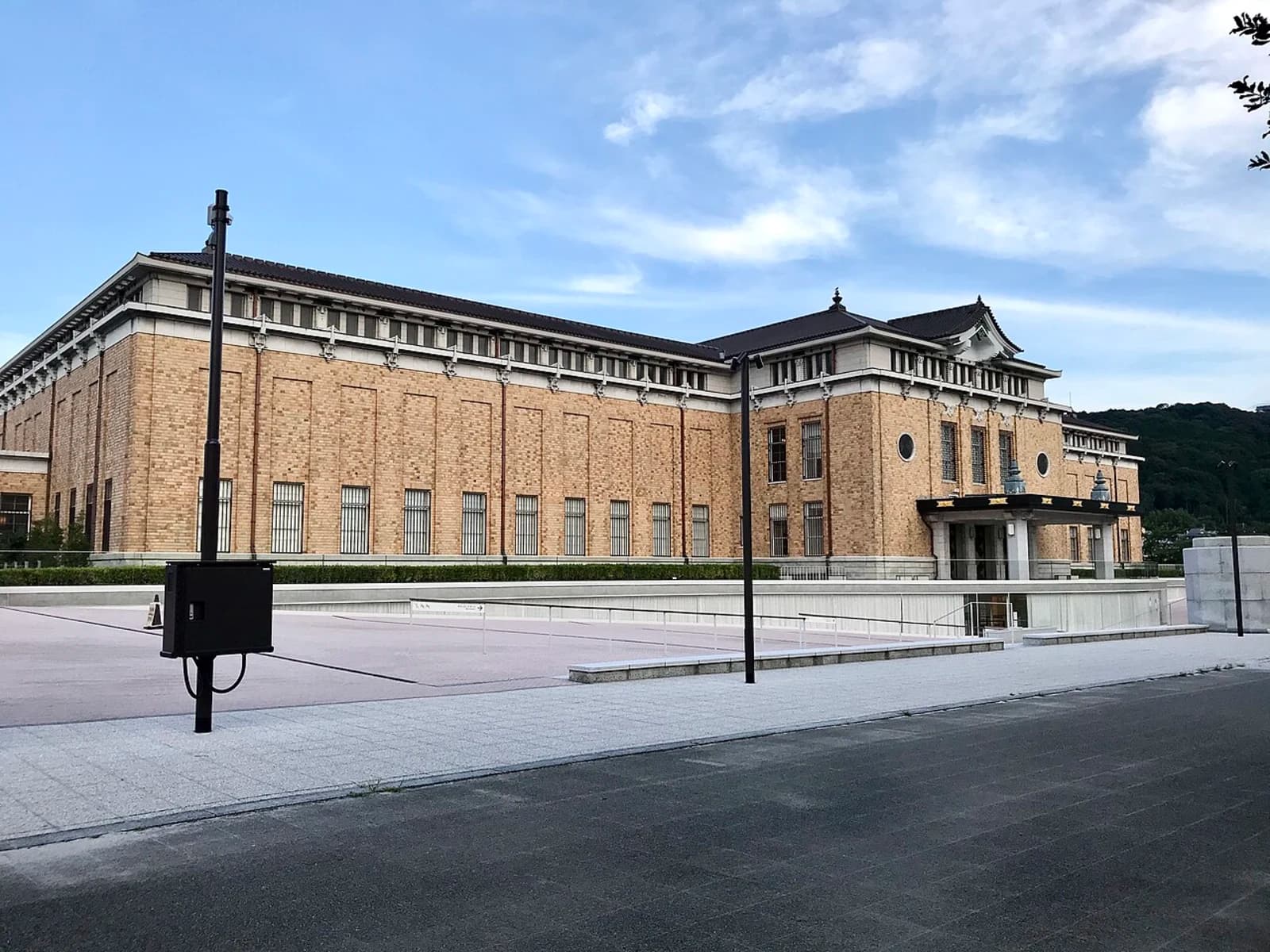
Meisterwerke der Europäischen Kunst (Masterpieces of European Art) was a major loan exhibition that brought European paintings to Japan in the winter of 1974 to 1975. The show opened at the National Museum of Western Art in Tokyo on 21 September 1974 and ran there through 24 November before transferring to the Kyoto Municipal Museum of Art, where it was on view from 3 December 1974 to 26 January 1975. The exhibition was organised jointly by the National Museum of Western Art, the Kyoto Municipal Museum of Art, the Staatliche Kunstsammlungen Dresden, and the Nihon Keizai Shimbun, with the support of the Ministry of Culture of the German Democratic Republic. The core of the exhibition was 82 paintings from the Gemäldegalerie Alte Meister in Dresden, one of the great encyclopaedic collections of European painting, assembled by the Wettiner electors of Saxony from the sixteenth century onward. The Tokyo leg attracted over 264,000 visitors.
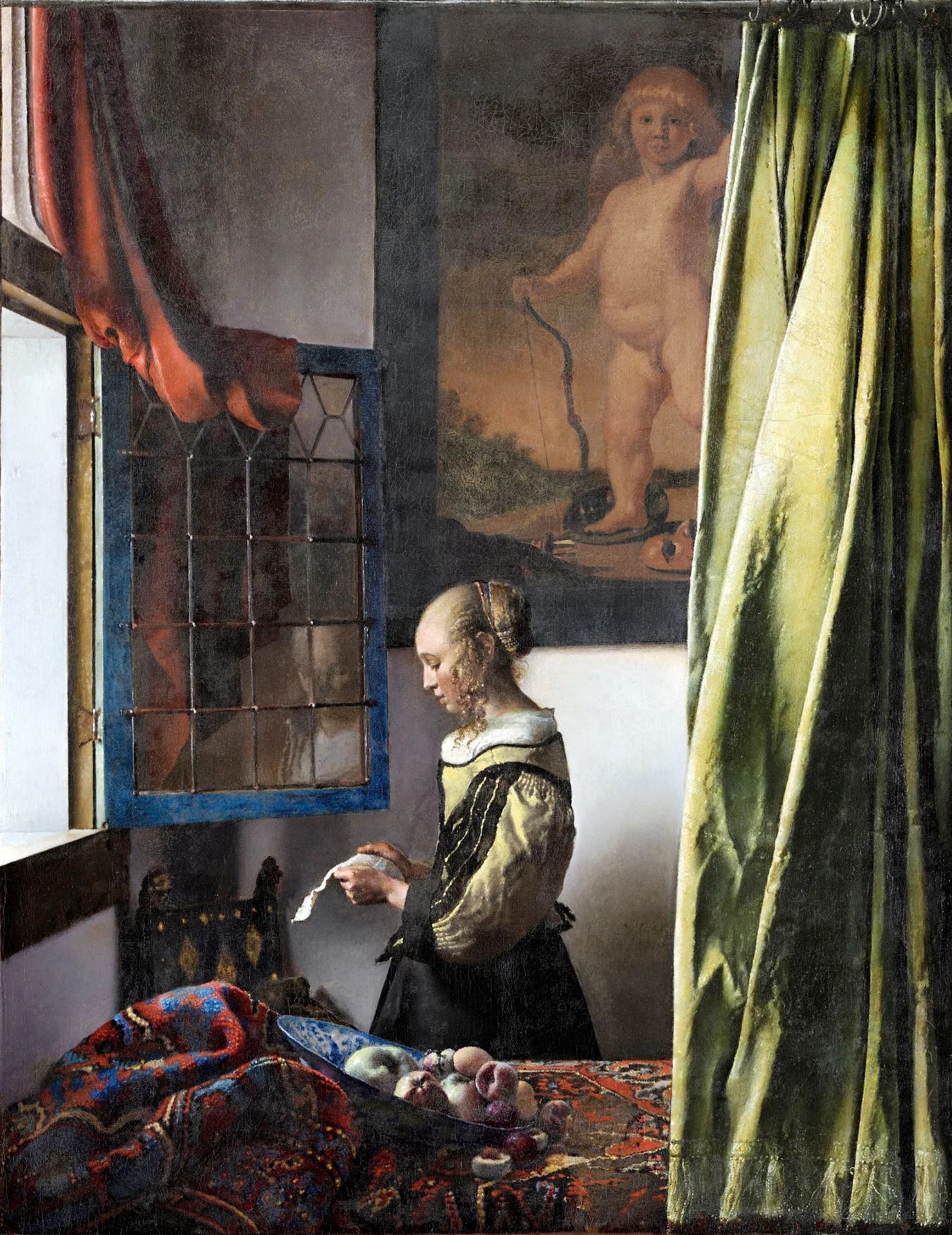
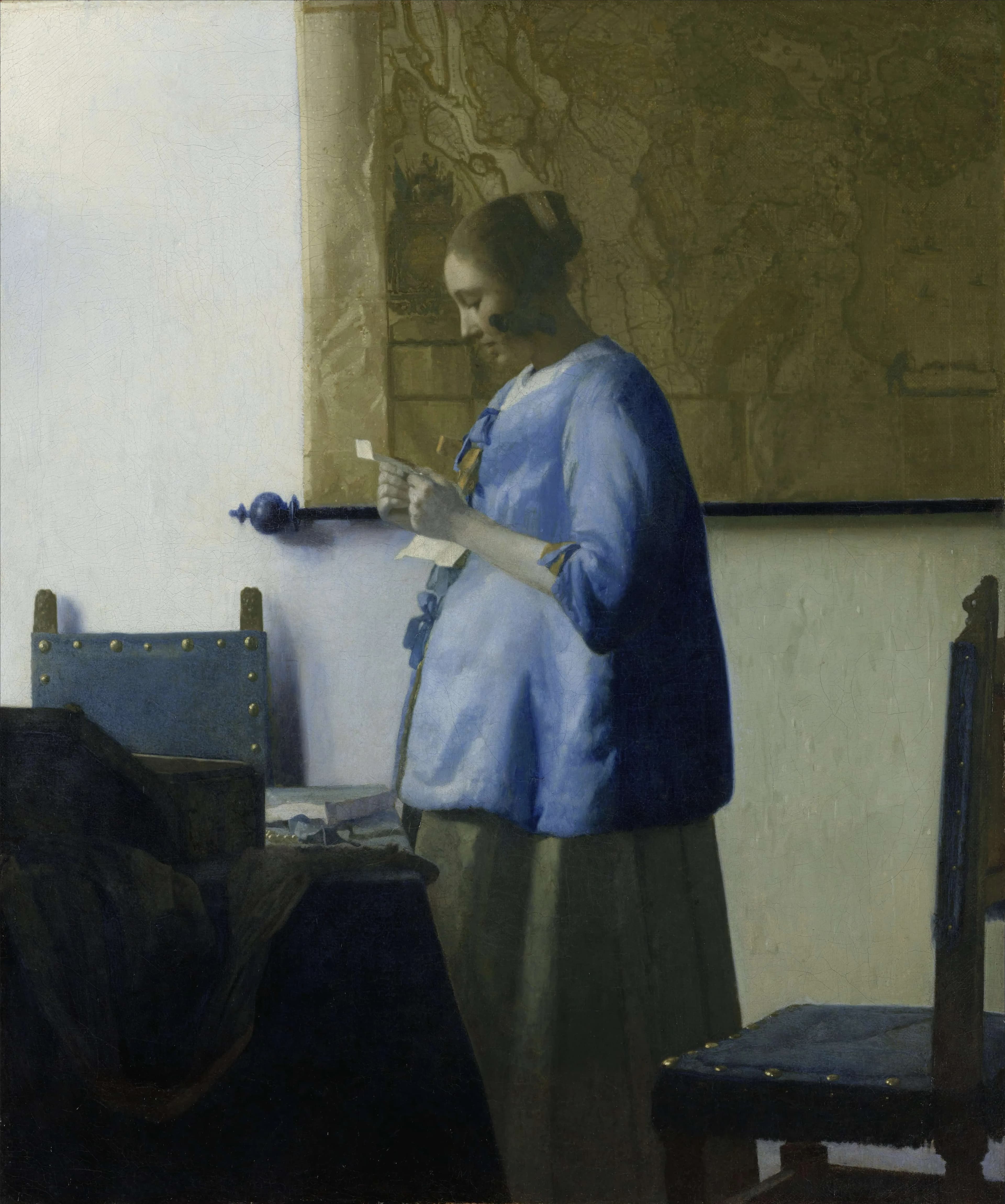
Among the exhibited works was Girl Reading a Letter at an Open Window by Vermeer, from the Gemäldegalerie Alte Meister in Dresden. Painted around 1657 to 1659, it is one of the earliest interior scenes by Vermeer and the first in which a woman reading a letter beside an open window becomes the defining motif. The Kyoto presentation also included Woman in Blue Reading a Letter by Vermeer, from the Rijksmuseum in Amsterdam, one of the most refined restatements of the same subject, painted around 1662 to 1665. Together, the two paintings traced the arc of a sustained engagement with the theme of a solitary woman absorbed in a letter, allowing visitors to compare the warmer, more tentative handling of the earlier Dresden picture with the crystalline stillness of the Amsterdam canvas.
The exhibition was one of a series of ambitious European art loan shows to reach Japan during the postwar decades, building on an appetite for Western old master painting that institutions like the National Museum of Western Art (opened in 1959 from the Matsukata Collection) had helped cultivate. The Nihon Keizai Shimbun, the leading Japanese financial newspaper, played a consistent role in co-organising major international exhibitions throughout the 1960s and 1970s, providing both logistical support and the publicity reach to turn scholarly loan shows into large public events. The Kyoto leg, following directly on from Tokyo, gave western Japan access to a collection that had rarely been seen outside Europe.
- Dates
- 3 Dec 1974 – 26 Jan 1975