The Golden Age of Dutch Painting, Masterpieces from the Rijksmuseum
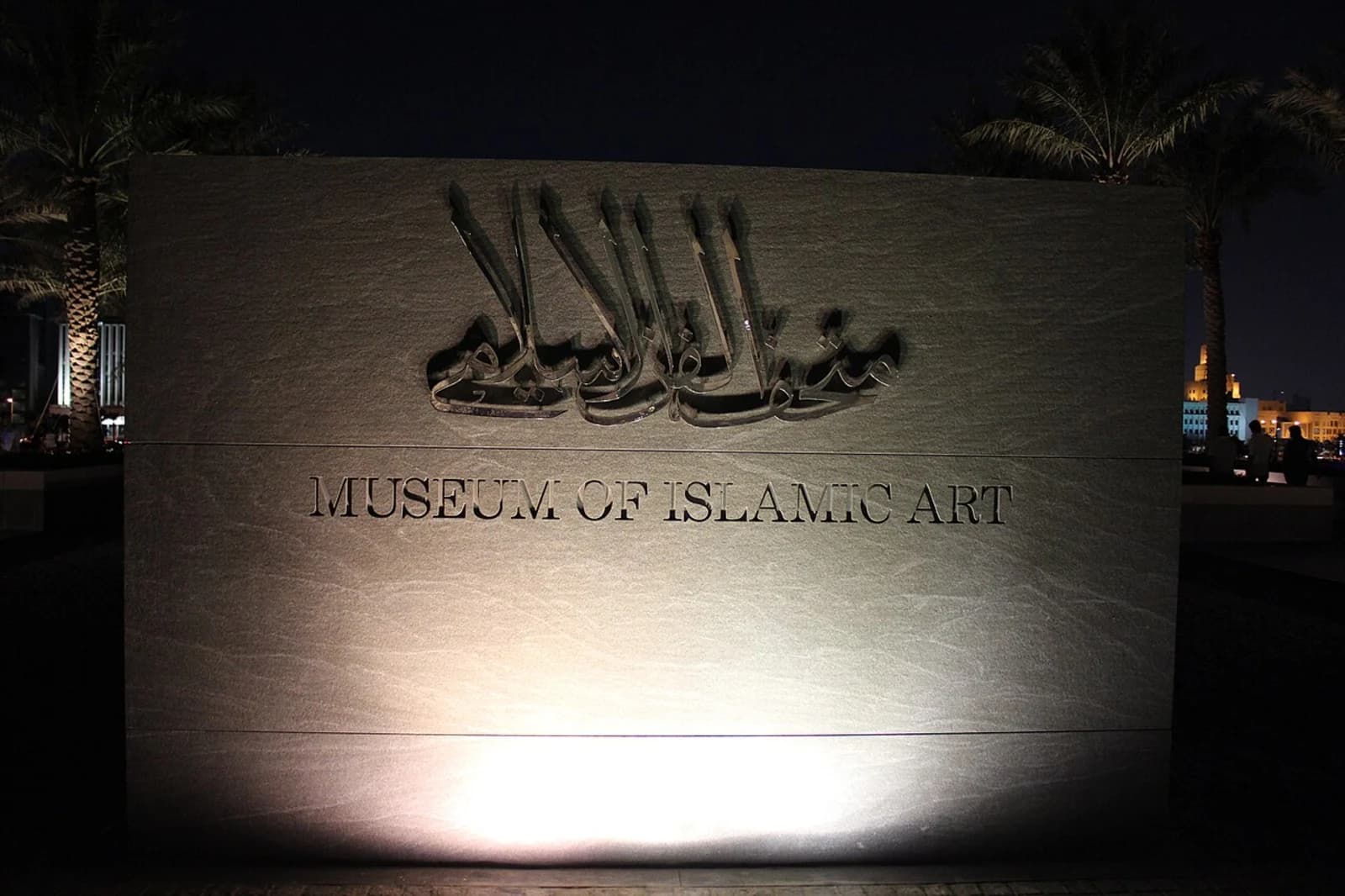
In the spring of 2011, the Museum of Islamic Art in Doha hosted the first exhibition of Dutch Old Masters ever presented in the Gulf region. Forty-four paintings from the Rijksmuseum in Amsterdam filled the museum’s temporary galleries from March 11 to June 6, marking the opening collaboration between Qatar Museums Authority and the Rijksmuseum. The loan was made possible in part by circumstance: the Rijksmuseum’s main building had been closed since December 2003 for a sweeping renovation that would not conclude until April 2013, leaving large portions of the collection available for international exhibition. The selection was curated by Gerdien Wuestman, a specialist in seventeenth-century Dutch paintings at the Rijksmuseum, who also authored the bilingual English and Arabic catalogue published to accompany the show.
The exhibition was organised into four thematic sections tracing the scope and social ambition of Dutch Golden Age painting: “Variety and Specialisation” surveyed the remarkable range of genres that Dutch artists developed in response to a new market of bourgeois collectors; “Everyday Reality” presented city views and landscapes shaped by a culture of direct observation; “Rembrandt and his Contemporaries” placed three works by Rembrandt alongside paintings by artists in his orbit; and “Refinement and Elegance” closed with the intimate domestic interiors that came to define the period’s highest achievement. A continuously running film connected seventeenth-century Dutch motifs to the contemporary Netherlands landscape, giving visitors a sense of the geographical world behind the paintings.
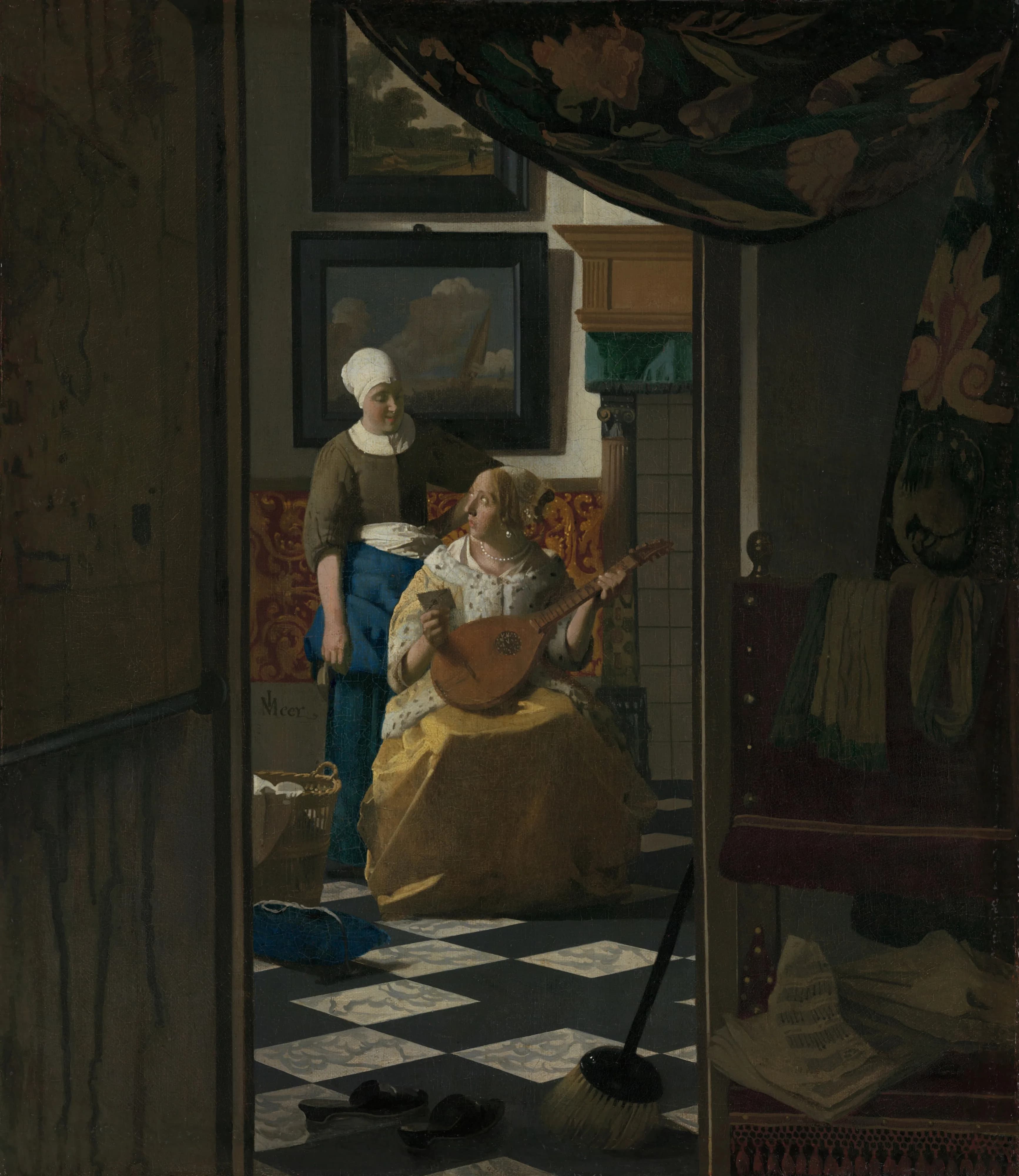
Vermeer’s The Love Letter (c. 1669–70) represented the exhibition’s most celebrated Dutch interior. The small canvas (44 × 38.5 cm) uses a trompe-l’oeil curtain in the foreground and a darkened antechamber to frame a glimpse of a sunlit inner room, where a mistress looks up from a letter just delivered by her maidservant. The cittern resting in the woman’s lap is a conventional emblem of romantic love, while the stormy seascape hanging on the rear wall, frequently invoked in seventeenth-century Dutch verse as a metaphor for the turbulence of love, underscores the letter’s emotional stakes. The painting had a dramatic modern history: stolen from a Brussels exhibition in September 1971 and cut from its frame with a potato peeler, it was recovered two weeks later and returned to the Rijksmuseum after restoration. Its presence in Doha gave Gulf audiences their first encounter with one of the most layered domestic narratives in the entire Vermeer canon.
- Dates
- 11 Mar 2011 – 6 Jun 2011
- Museum
 Museum of Islamic Art