


Tronies
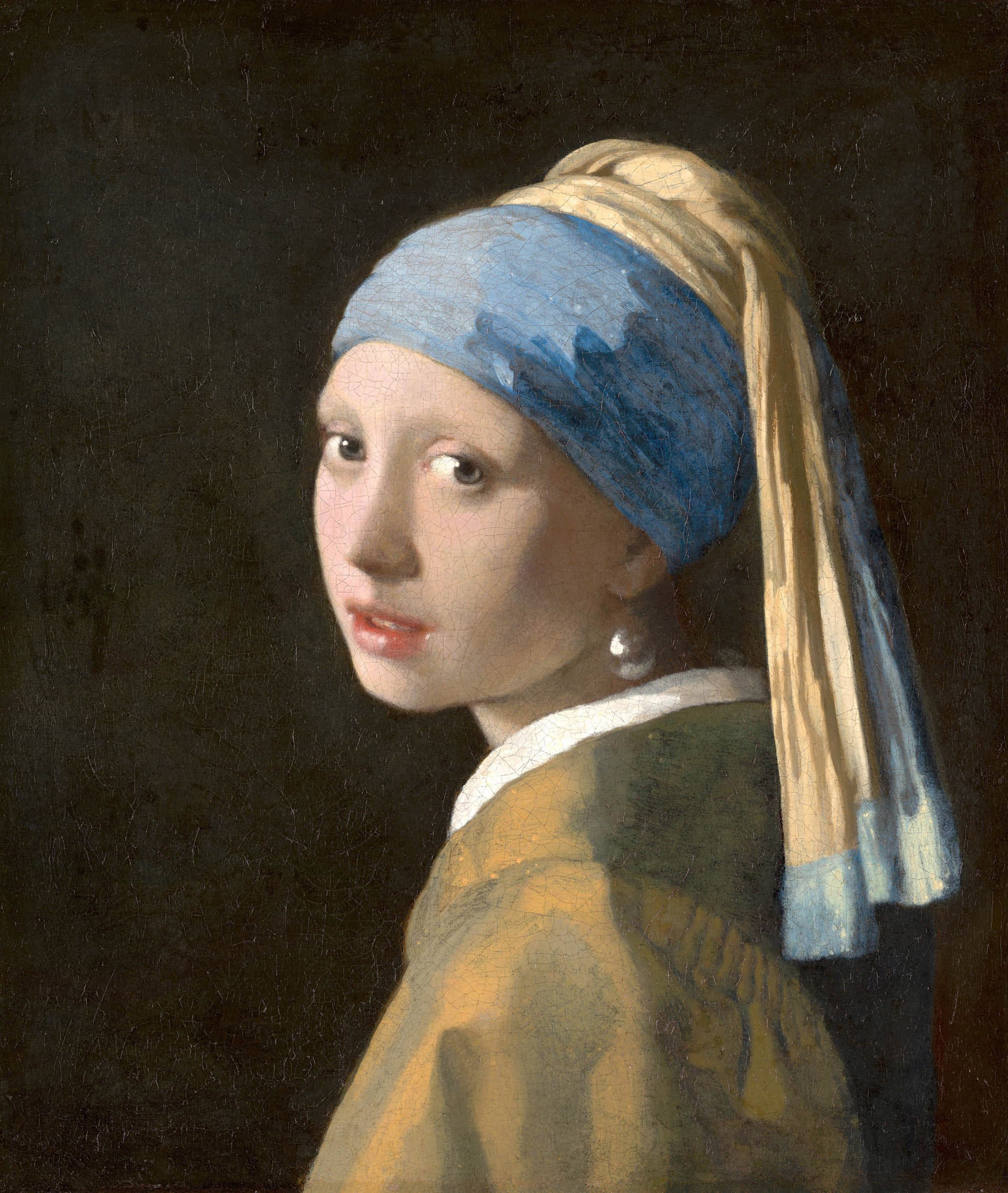
A tronie is a study of a head or face — a character type explored for its expression, costume, and play of light rather than a commissioned likeness of a named sitter. The genre gave Dutch painters licence to experiment, and it produced Vermeer's most famous work, Girl with a Pearl Earring, alongside the contested Girl with a Flute and a tronie known now only from old documents.
A face, not a sitter
A tronie was a recognised category in the seventeenth-century Dutch studio: a study of a head, valued for its expression, its costume, and its handling of light rather than for any likeness of a named person. Painters kept them as showpieces and sold them on the open market, and the genre gave them room to experiment with exotic dress, unusual lighting, and a directness of gaze that a formal portrait rarely allowed.
Vermeer made only a handful, but one of them became the most famous face he ever painted. The girl turns toward us out of a dark ground, her lips parted, a single large pearl catching the light at her jaw. She is no one in particular, and that is the point.
The small panels
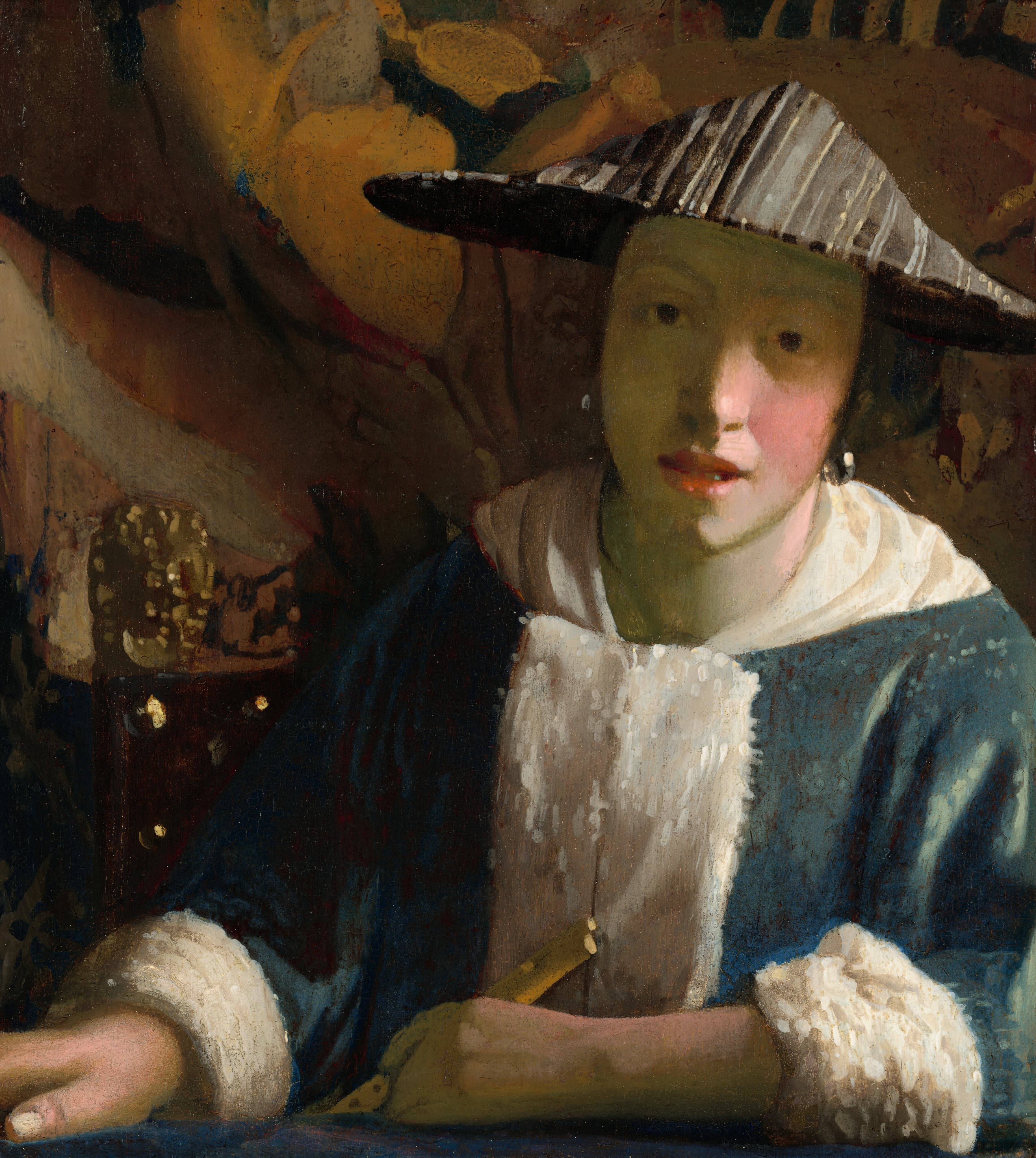
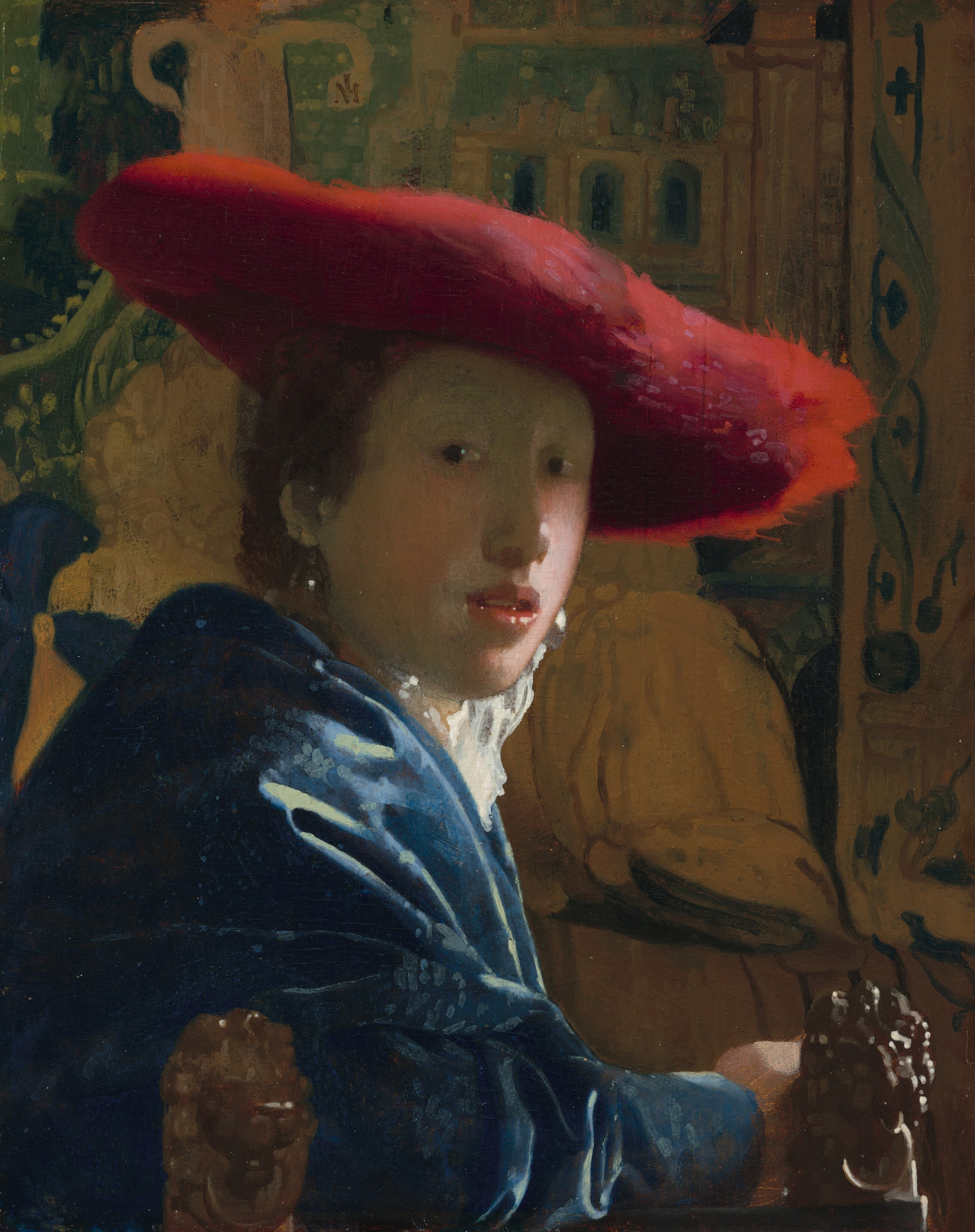
Two further tronies are painted not on canvas, Vermeer’s usual support, but on small wooden panels: the bright, freely brushed Girl with a Red Hat and the contested Girl with a Flute. Their scale and technique set them apart, and the attribution of the Flute has long been argued over, with some scholars placing it in Vermeer’s immediate circle rather than his own hand.
Quieter studies, and a lost one
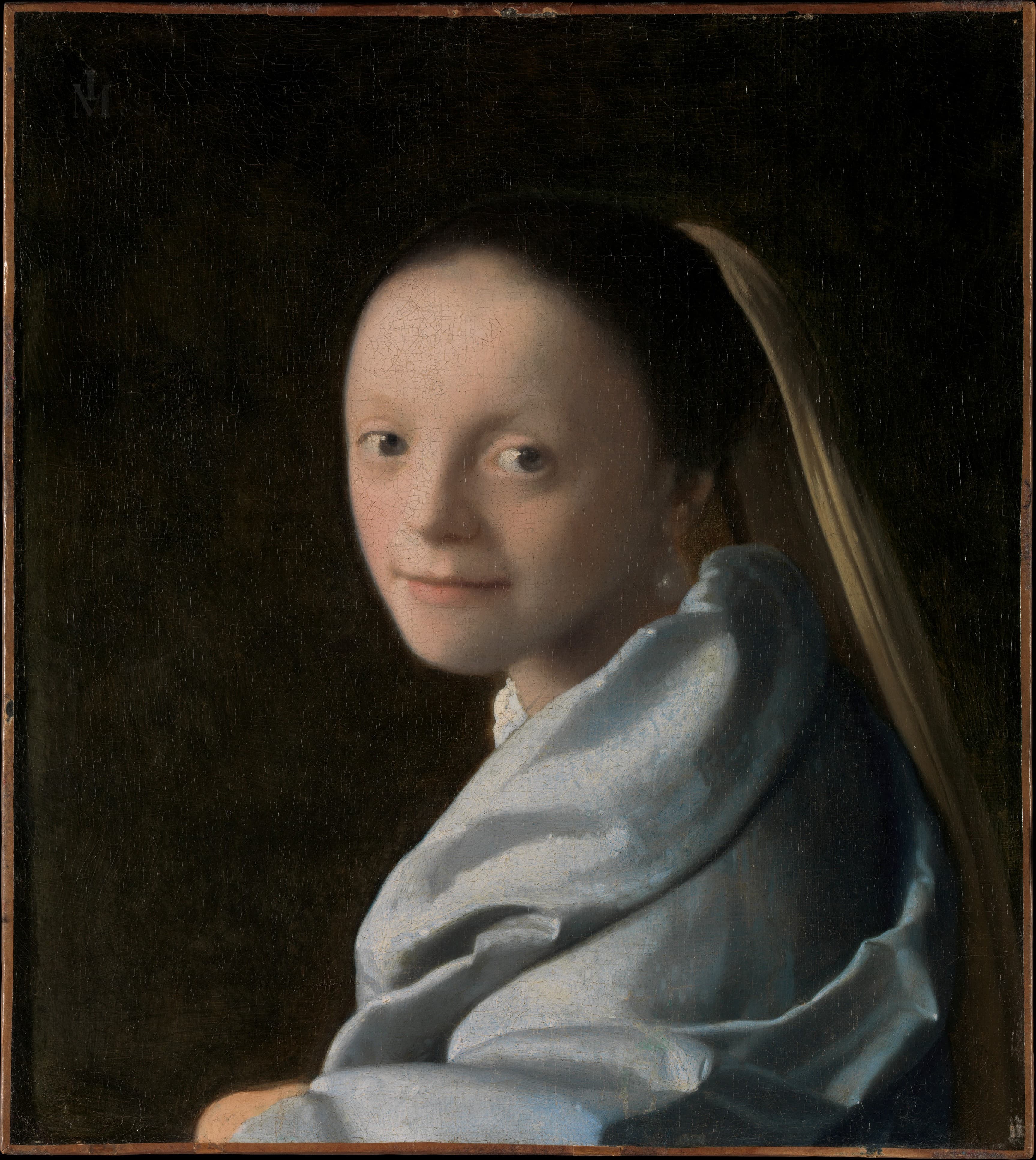
Not every tronie reaches for drama. The Study of a Young Woman is plainer and more pensive, again wearing a pearl, and has sometimes been read as a likeness of someone close to the painter. A further tronie survives only on paper: a head listed in the 1696 Amsterdam auction of the Dissius collection, recorded but never traced, a reminder that the group was once larger than what hangs on the walls today.