The Age of Rembrandt, Dutch Paintings and Drawings of the 17th Century
Organized jointly by the National Museum of Western Art, the Yomiuri Shimbun, and the Ministry for Cultural Affairs, Recreation and Social Welfare of the Netherlands, this survey brought 125 works of Dutch seventeenth-century art to Japan for the first time on such a scale. The selection comprised 78 paintings, 44 drawings, and 3 prints, covering the full range of Golden Age production from portraits and landscapes to history paintings and genre scenes. Over the course of its ten-week Tokyo run the exhibition attracted nearly 188,000 visitors, and it subsequently traveled to the Kyoto Municipal Museum, where it remained on view from 12 January to 2 March 1969.
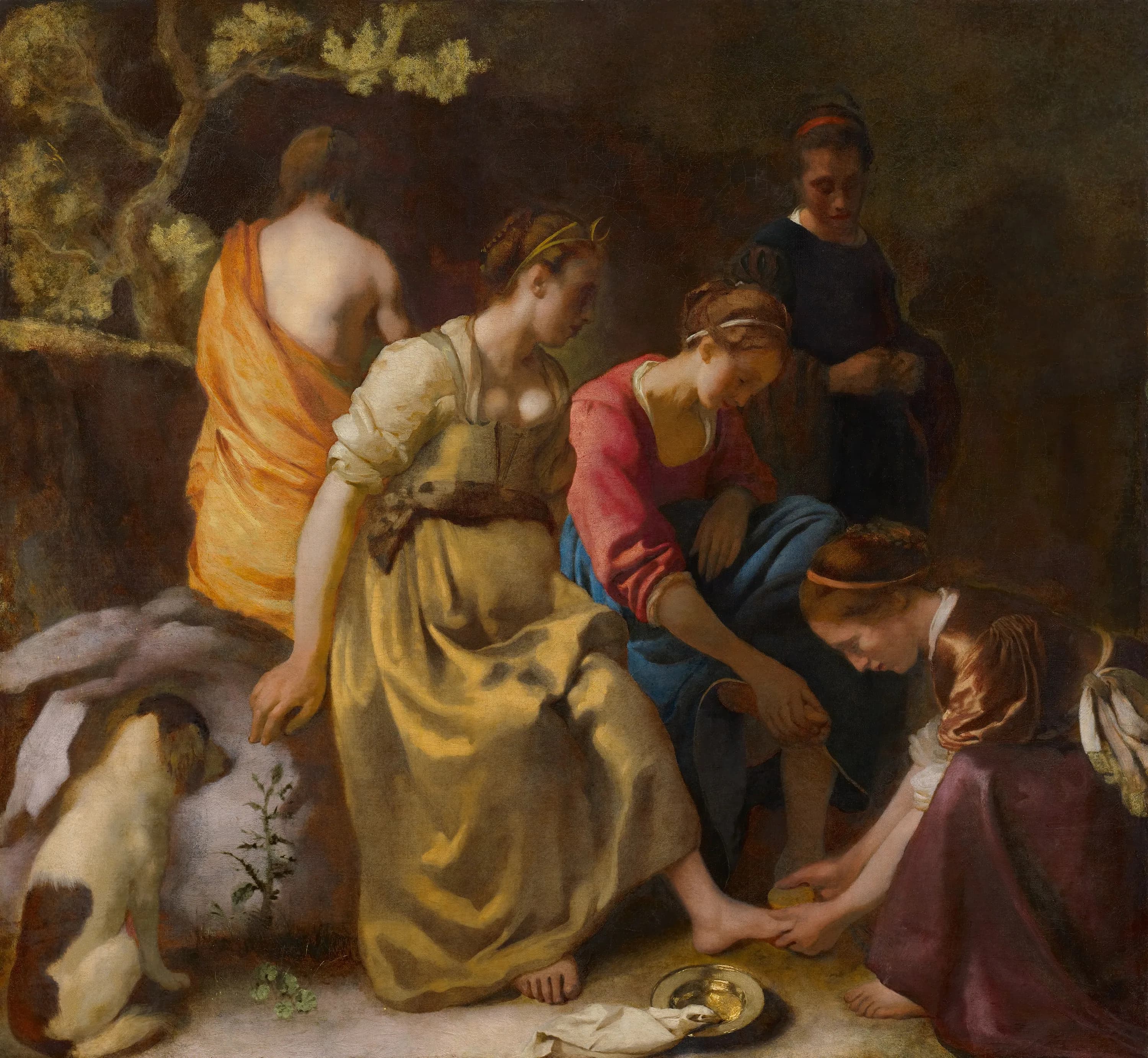
The loans were drawn from Dutch public collections, with the Mauritshuis in The Hague contributing several of its most celebrated works. Among them was Vermeer's early canvas "Diana and Her Companions" (catalog no. 69), a rare mythological work from around 1653 to 1656 that depicts the goddess of the hunt attended by her nymphs in a quiet nocturnal setting. The painting had been in the Mauritshuis since the late nineteenth century and was already recognized as one of the handful of Vermeer works outside his characteristic domestic interiors.
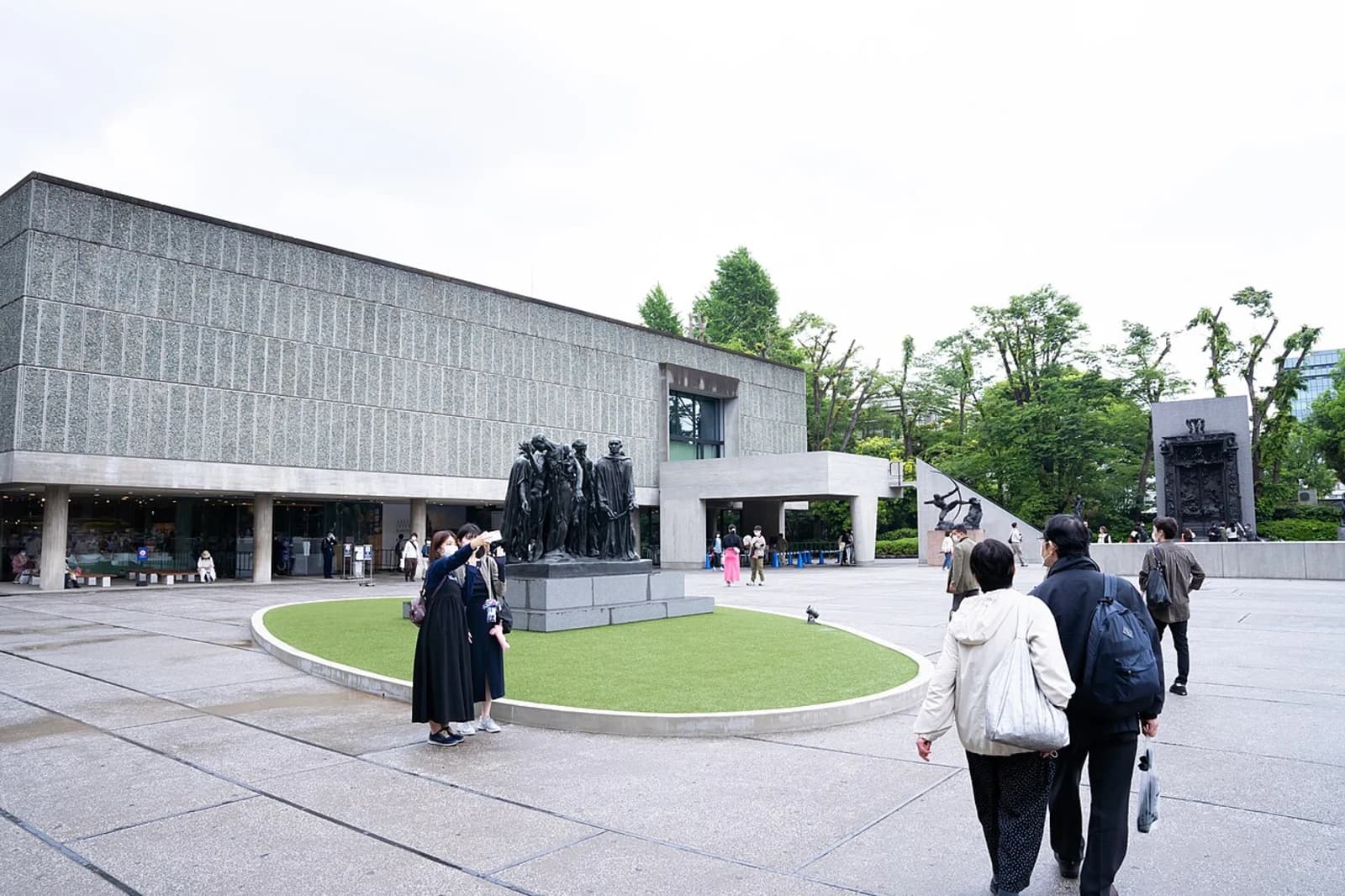
For Japanese audiences in 1968, the exhibition offered an unusually comprehensive encounter with Dutch Old Master painting. The National Museum of Western Art, which had opened in the Ueno district of Tokyo only nine years earlier in the Le Corbusier-designed building purpose-built to house the repatriated Matsukata Collection, was still in the early decades of assembling its exhibition programme. A show of this breadth, organized in partnership with the Netherlands government, reflected the growing ambition of Japanese institutions to bring major European loan exhibitions to domestic audiences in the postwar period.
- Dates
- 19 Oct 1968 – 22 Dec 1968