Masterpieces from the National Gallery
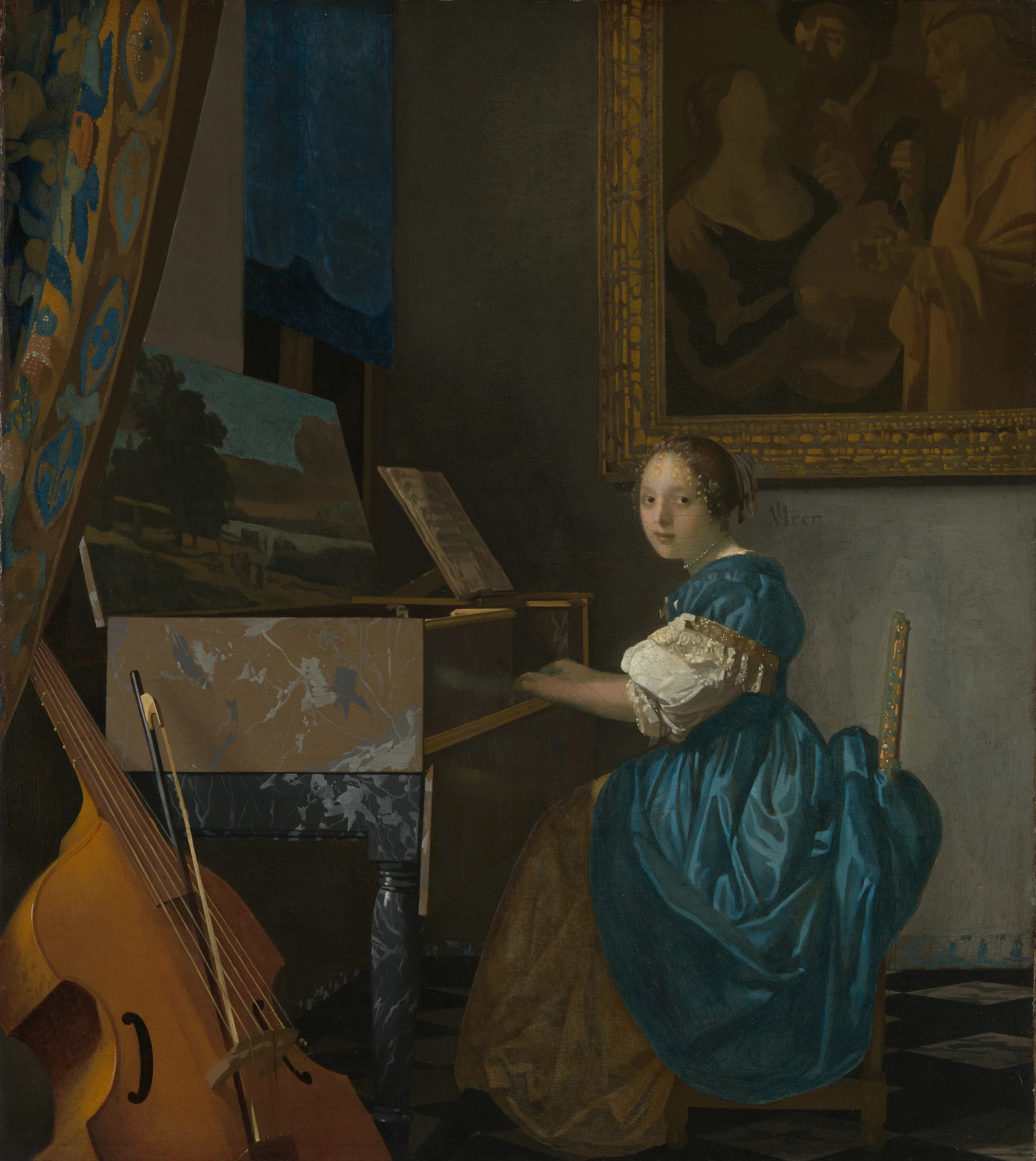
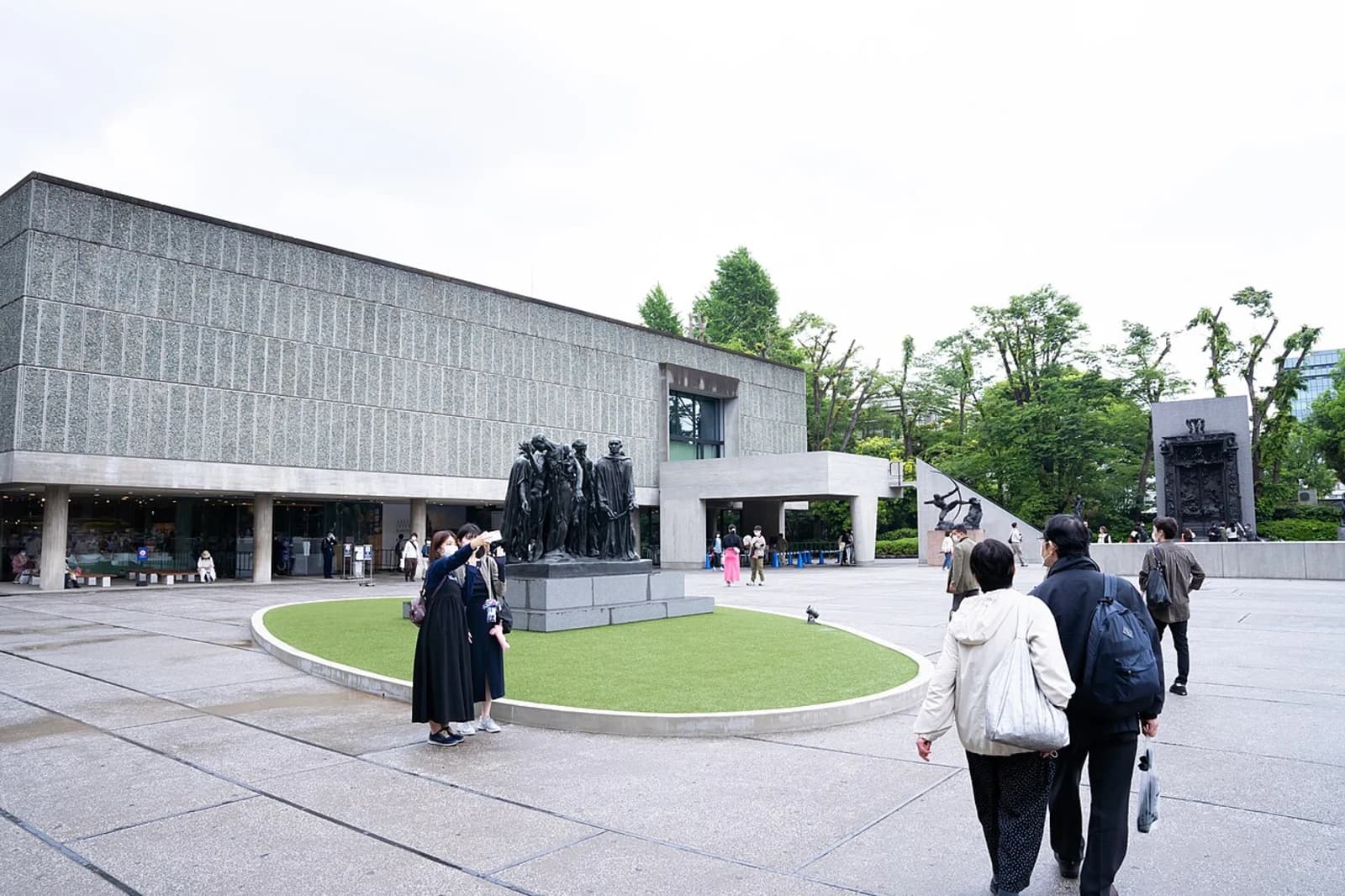
“Masterpieces from the National Gallery, London” was the largest international loan in the National Gallery’s history at that time, bringing 61 paintings to Japan, all of which were being shown there for the first time. The exhibition offered a panoramic survey of European painting organised around seven themes: the Italian Renaissance, Dutch painting of the Golden Age, Van Dyck and British portraiture, the Grand Tour, the discovery of Spain, landscape and the picturesque, and French modern art in Britain. Highlights included Van Gogh’s Sunflowers making its first journey outside Europe, Rembrandt’s Self-Portrait at the Age of 34, Turner’s Ulysses Deriding Polyphemus, Carlo Crivelli’s The Annunciation with Saint Emidius, and Vermeer’s A Young Woman Seated at a Virginal. The show was organised jointly by the National Museum of Western Art, the National Gallery, The Yomiuri Shimbun, and Nippon Television Network Corporation.
The exhibition was originally scheduled to open on 3 March 2020 and run until 14 June, but COVID-19 forced the museum to close before the show could begin. After a series of postponements, the National Museum of Western Art reopened the exhibition on 18 June 2020, initially limited to advance ticket and invitation holders before broadening access for the remainder of the run through 18 October. The show then transferred to the National Museum of Art in Osaka, opening on 3 November 2020, with the Tokyo leg marking what proved to be an unexpectedly intimate encounter with one of the world’s great collections under pandemic conditions.
Vermeer’s painting, known both as A Lady Seated at a Virginal and A Young Woman Seated at a Virginal, dates from around 1670–72 and entered the National Gallery through the Salting Bequest in 1910. It belongs to a pair of late works, its counterpart showing a woman standing at the same instrument. Both compositions use the virginal as an emblem of love and refined accomplishment, placing the sitter within the cultivated world of Dutch domestic music-making. The Tokyo showing placed this intimate canvas alongside some of the National Gallery’s most celebrated pictures, within the exhibition’s section devoted to Dutch painting of the Golden Age.
- Dates
- 18 Jun 2020 – 18 Oct 2020