Art Treasures from Vienna
“Konstskatter från Wien” (Art Treasures from Vienna) was a landmark traveling exhibition organized by the Kunsthistorisches Museum and the Austrian government that toured six European capitals between 1946 and 1949 before continuing to North America. The tour opened in Zurich (October 1946 to March 1947) under the title “Meisterwerke aus Österreich,“ then moved to Brussels, Amsterdam, and Paris before reaching Stockholm in May 1948. After Stockholm it continued to Copenhagen and then to the Tate Gallery in London. The exhibition was conceived as an expression of gratitude from Austria to the Allied nations whose forces had recovered the collections from the salt mines of Upper Austria, where they had been evacuated for safekeeping during the war. It served simultaneously as a powerful instrument of cultural diplomacy at a moment when Austria, under four-power Allied occupation since 1945, was working to reestablish its identity as an independent European nation and custodian of a distinguished artistic heritage.
The exhibition was organized on the Austrian side by Dr. Ernst Buschbeck, curator of the Vienna Picture Gallery, who accompanied it throughout the tour. In Stockholm, Nationalmuseum director Sixten Strömbom served as Swedish commissioner, and the project carried the patronage of Crown Prince Gustaf Adolf and an honorary committee that included Austrian Chancellor Leopold Figl and Swedish Prime Minister Tage Erlander. The Swedish showing was, by several accounts, the richest of any stop on the European tour: nearly all works came from the Kunsthistorisches Museum, and the selection of around 279 objects encompassed 128 paintings by Titian, Velázquez, Rubens, Rembrandt, and Vermeer alongside Renaissance bronzes, Habsburgera goldsmiths’ work (including the Cellini Salt Cellar), rock crystal vessels, arms and armor, and Flemish tapestries. The transport of material of such immeasurable value, which could not be fully insured, required specially arranged railway shipments from both Vienna and Paris.
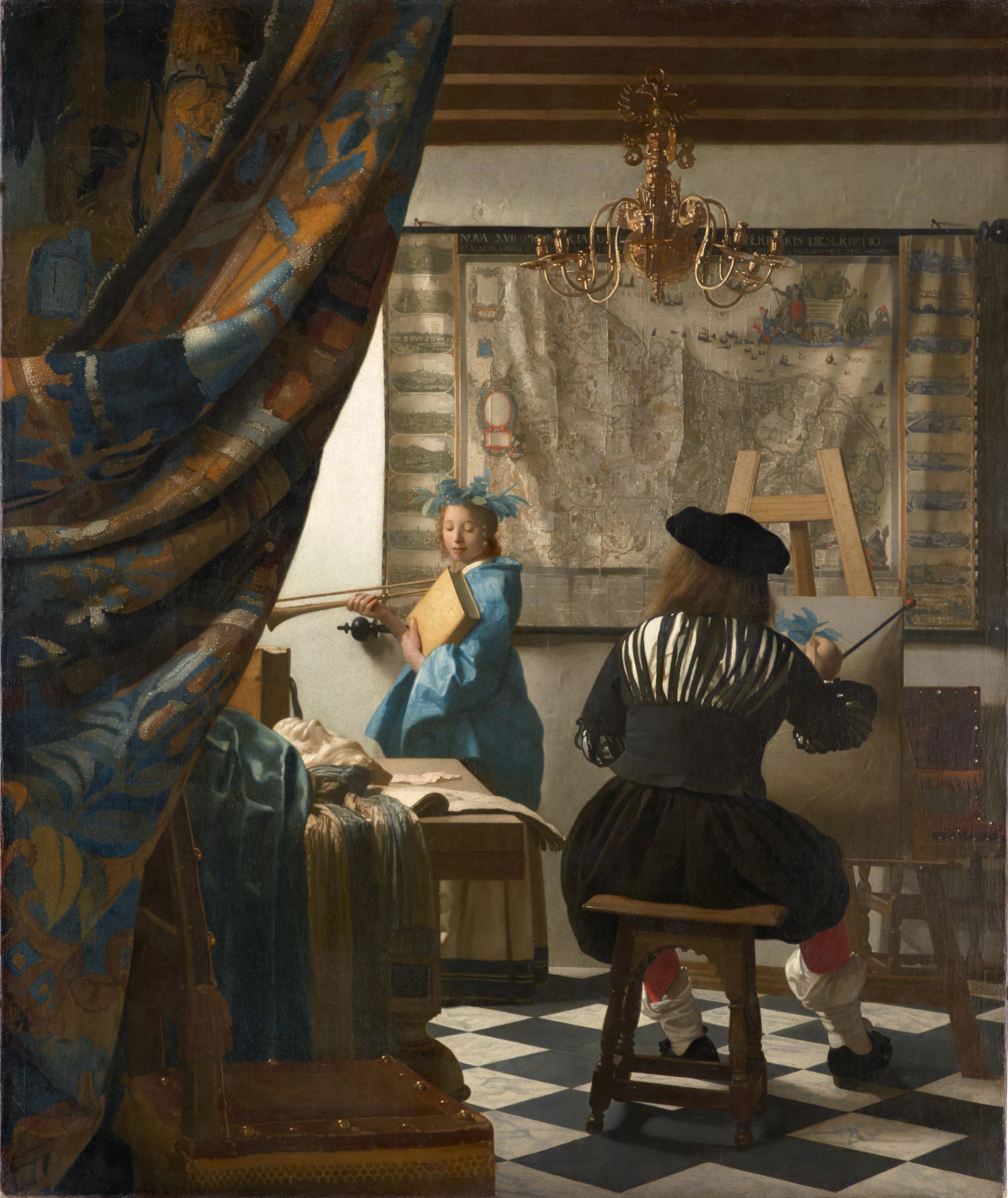
Vermeer’s “The Art of Painting” (c. 1666 to 1668) was among the paintings selected for the tour. The canvas had entered the Kunsthistorisches Museum in 1946, transferred from the collections assembled during the Nazi period, and its inclusion in an exhibition of this prestige affirmed its place in the permanent collection. For Swedish audiences it was a rare opportunity to see one of Vermeer’s most ambitious compositions, an allegorical meditation on the painter’s craft in which a figure representing the art of painting itself is seen from behind, working on a canvas bearing the laurel-crowned muse of History. The Stockholm showing drew large audiences and was later credited with reversing the low visitor numbers Nationalmuseum had seen in the early 1940s, cementing the institution’s role as a venue for major international loans.
- Dates
- 8 May 1948 – 19 Sept 1948
- Museum
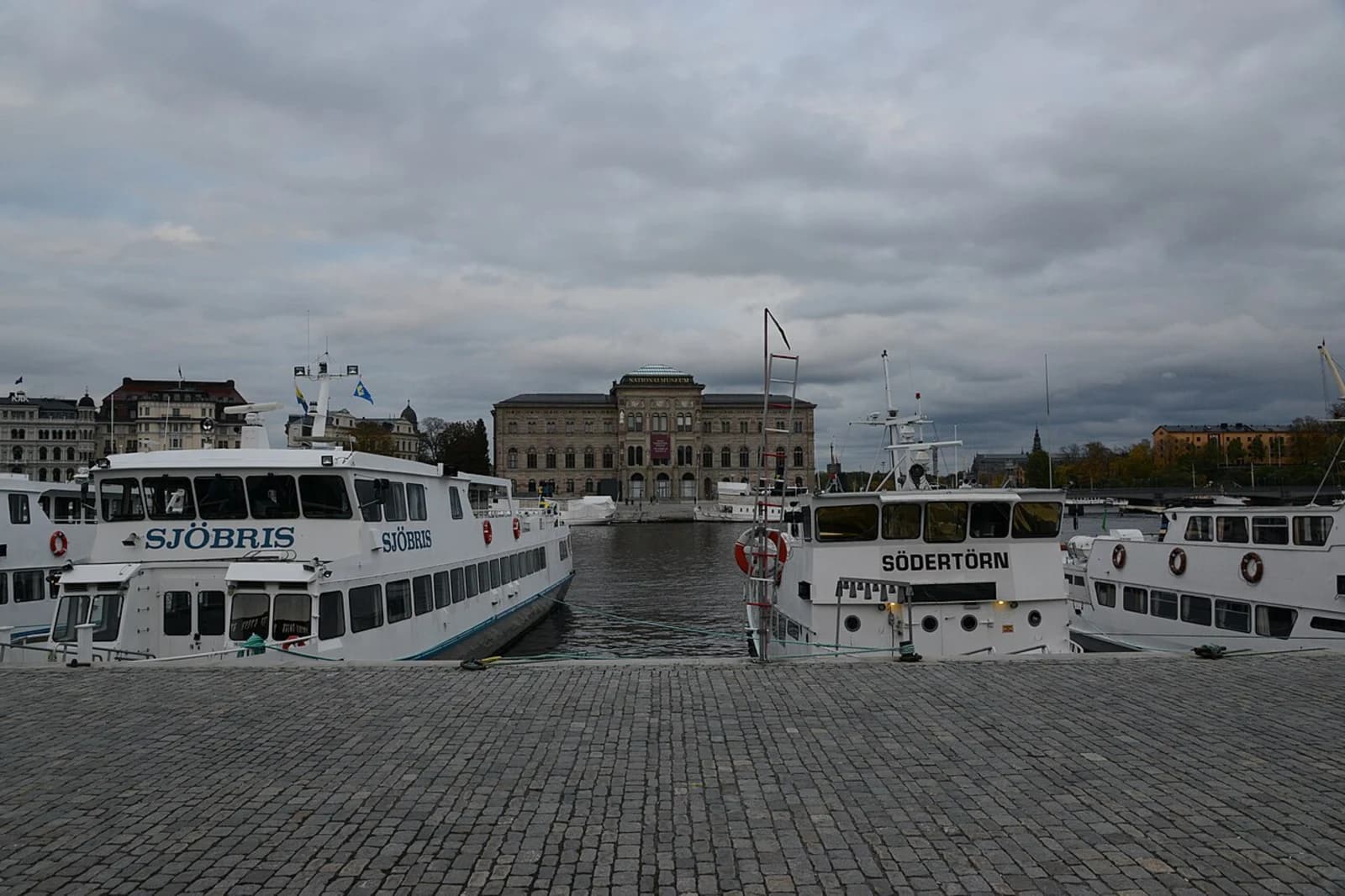
 Nationalmuseum