Exhibition of Masterpieces of Dutch Painting
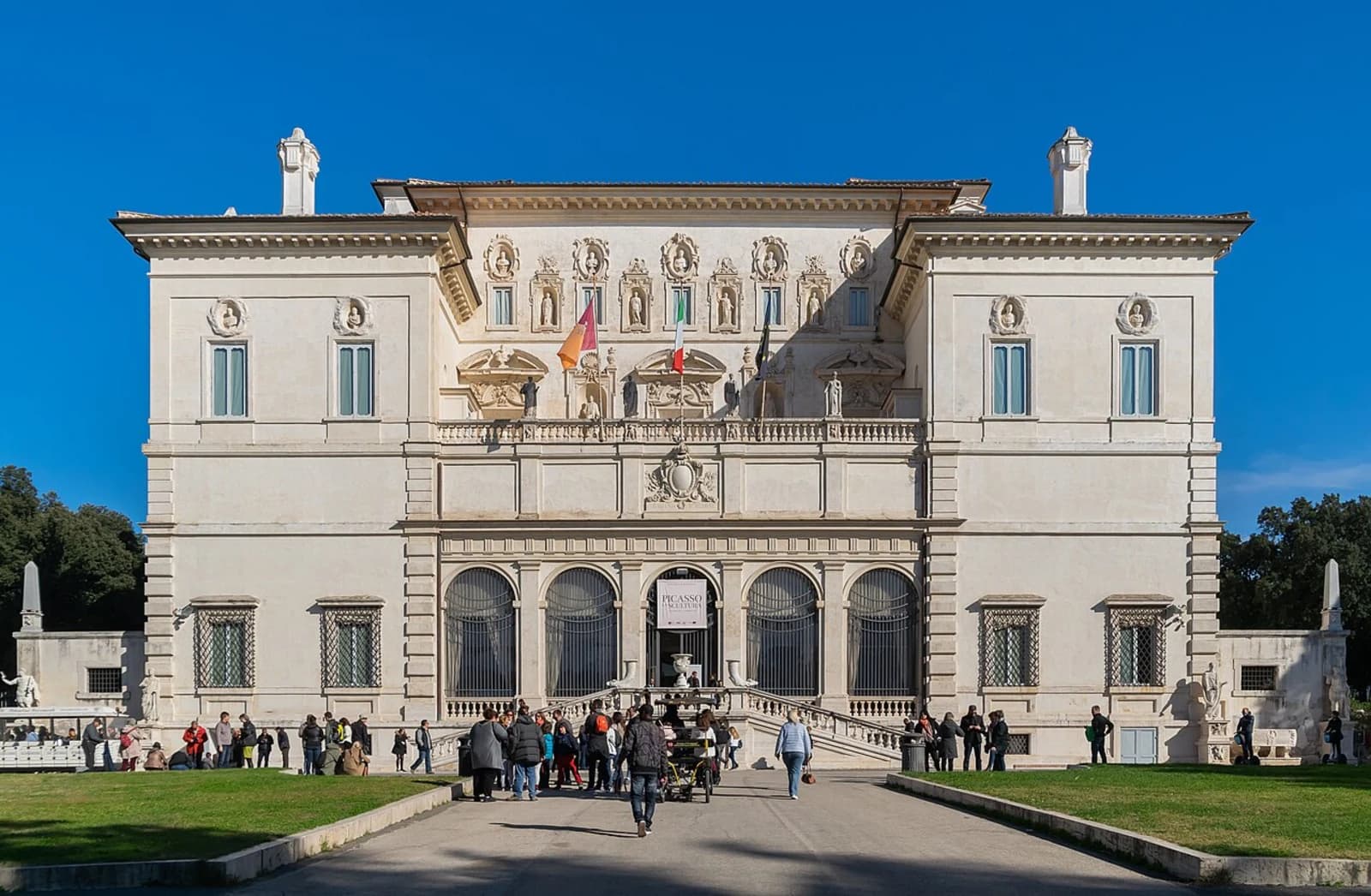
Held at the Galleria Borghese from January through April 1928, the Mostra di capolavori della pittura olandese was one of the most ambitious presentations of Dutch Golden Age painting ever mounted in Italy. Organised under the high patronage of King Victor Emmanuel III, with Benito Mussolini as honorary president of the organising committee, the exhibition brought together loans from leading Dutch public collections for an Italian audience that had little prior exposure to the seventeenth-century Netherlands tradition. The scholarly apparatus was overseen by an international team: Arduino Colasanti, then Director General of Antiquities and Fine Arts in Rome, worked alongside the Dutch art historian Wilhelm Martin, director of the Mauritshuis, and Govert J. Hoogewerff, director of the Netherlands Historical Institute in Rome and a specialist in Dutch artists in Italy, together with Achille Bertini Colosso.
Rembrandt was the dominant figure in the show, represented by sixteen paintings and celebrated in the catalogue as the supreme master of the Dutch school. The exhibition also surveyed the broader range of seventeenth-century Dutch painting, including genre scenes, portraits, and landscapes by the major painters of the period. The catalogue essay singled out Vermeer and Pieter de Hooch as the foremost painters in the intimate genre tradition of Delft, placing their work within the wider context of the Golden Age.
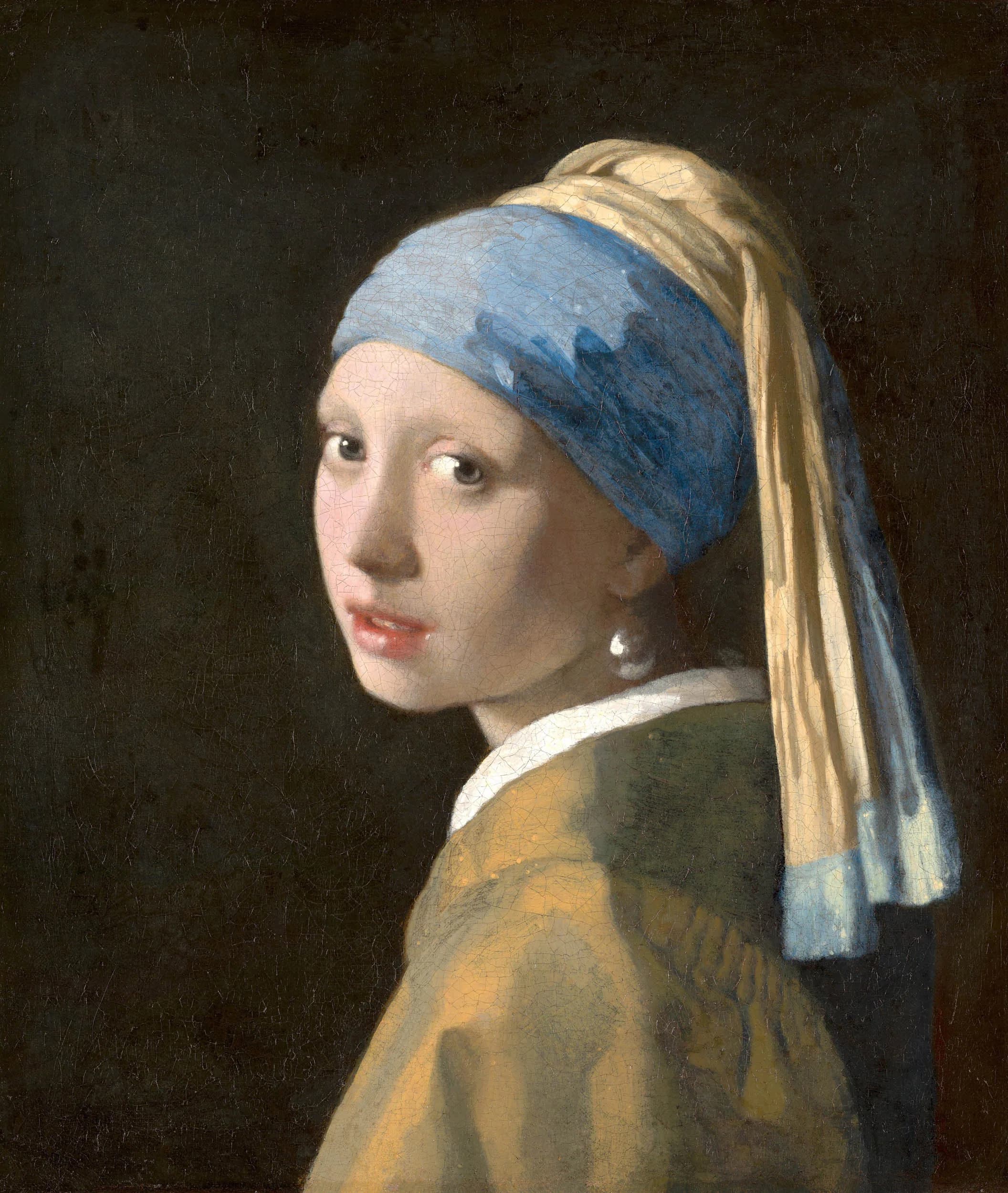
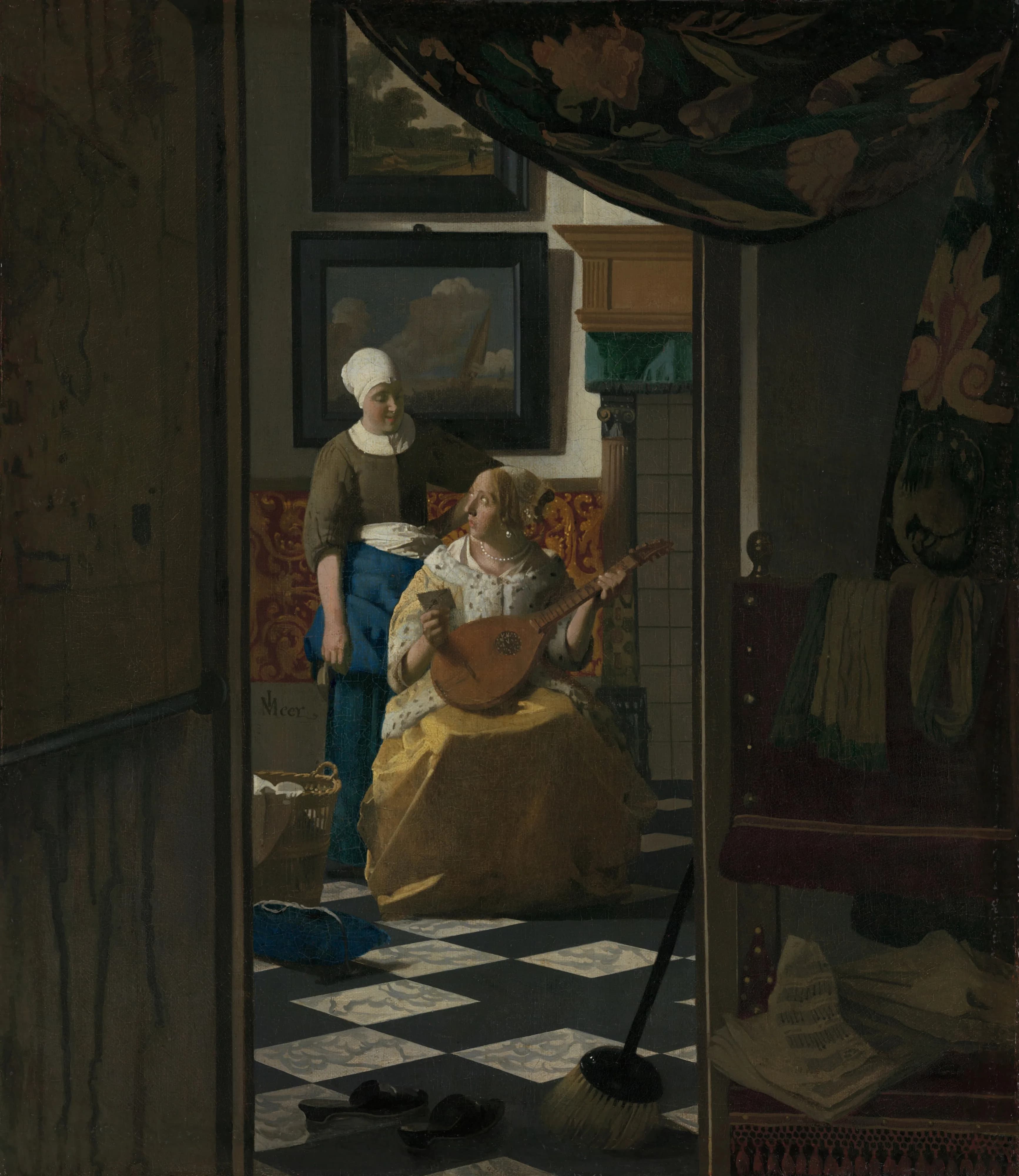
For Vermeer, the Rome exhibition marked a significant moment: it was the first time any of his paintings had been shown in Italy. Girl with a Pearl Earring, lent by the Mauritshuis in The Hague, was listed in the catalogue as “Testa di fanciulla” (Head of a Girl), while The Love Letter, from the Rijksmuseum in Amsterdam, appeared as “La lettera.” The appearance of both works in Rome helped introduce Italian audiences to a painter whose reputation had only been firmly established in the preceding decades, and the exhibition remains one of the earliest and most significant chapters in Vermeer’s reception history in southern Europe.
- Dates
- 25 Jan 1928 – 28 Apr 1928
- Museum
 Galleria Borghese