The European Seventeenth Century
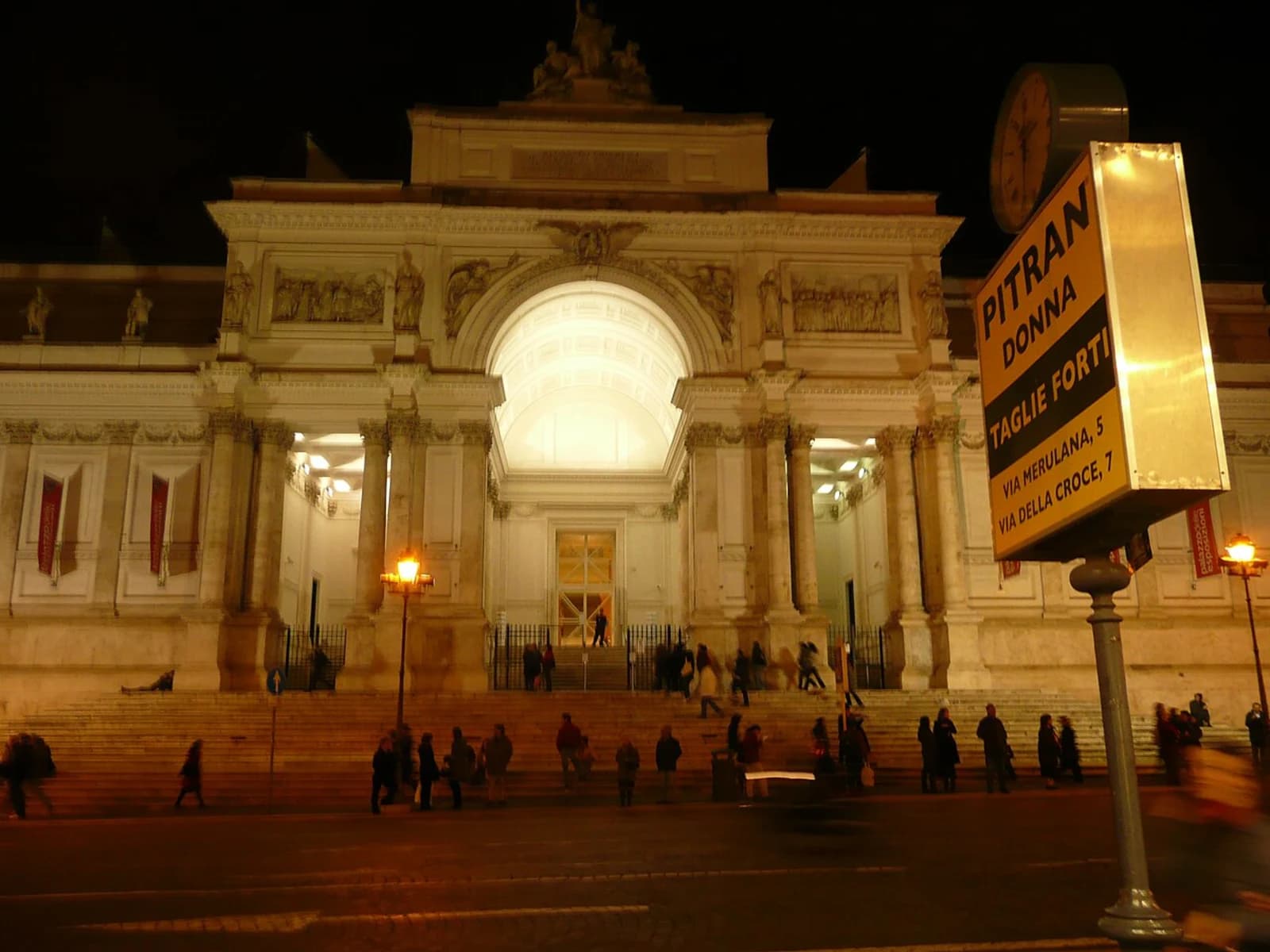
“Le XVIIe siècle en Europe: Réalisme, classicisme et baroque” (The Seventeenth Century in Europe: Realism, Classicism and Baroque) was the third in a series of major art exhibitions organised under the auspices of the Cultural Co-operation Council of the Council of Europe. The series had opened in Brussels in 1954 and moved to Amsterdam in 1955 for a survey of Mannerism; Rome was chosen for the third edition as the city where the Baroque had its origins and where the tensions between competing artistic currents of the seventeenth century were most acutely felt. The exhibition was conceived to encourage a sense of shared European cultural heritage by setting the art of different nations side by side, and observers later described it as an event that could not be repeated, such was the scale of the loans assembled from public collections across Europe and beyond.
The exhibition offered visitors a panorama of seventeenth-century painting in its full diversity. Italian works dominated by Caravaggio and the Carracci demonstrated how realism and Baroque drama could coexist, while French painting ranged from the classical severity of Poussin through the candlelit intimacy of Georges de La Tour to the sober peasant scenes of the Le Nain brothers. Alongside these traditions, the exhibition gave prominent space to the Dutch Golden Age, whose self-assured merchant culture produced burgher portraits by Frans Hals, introspective works by the young Rembrandt, and the quiet domestic interiors and townscapes that are unique to the Dutch Republic. The full exhibition subtitle, “Réalisme, classicisme et baroque,” reflected the ambition to present not one dominant style but the productive friction between them.
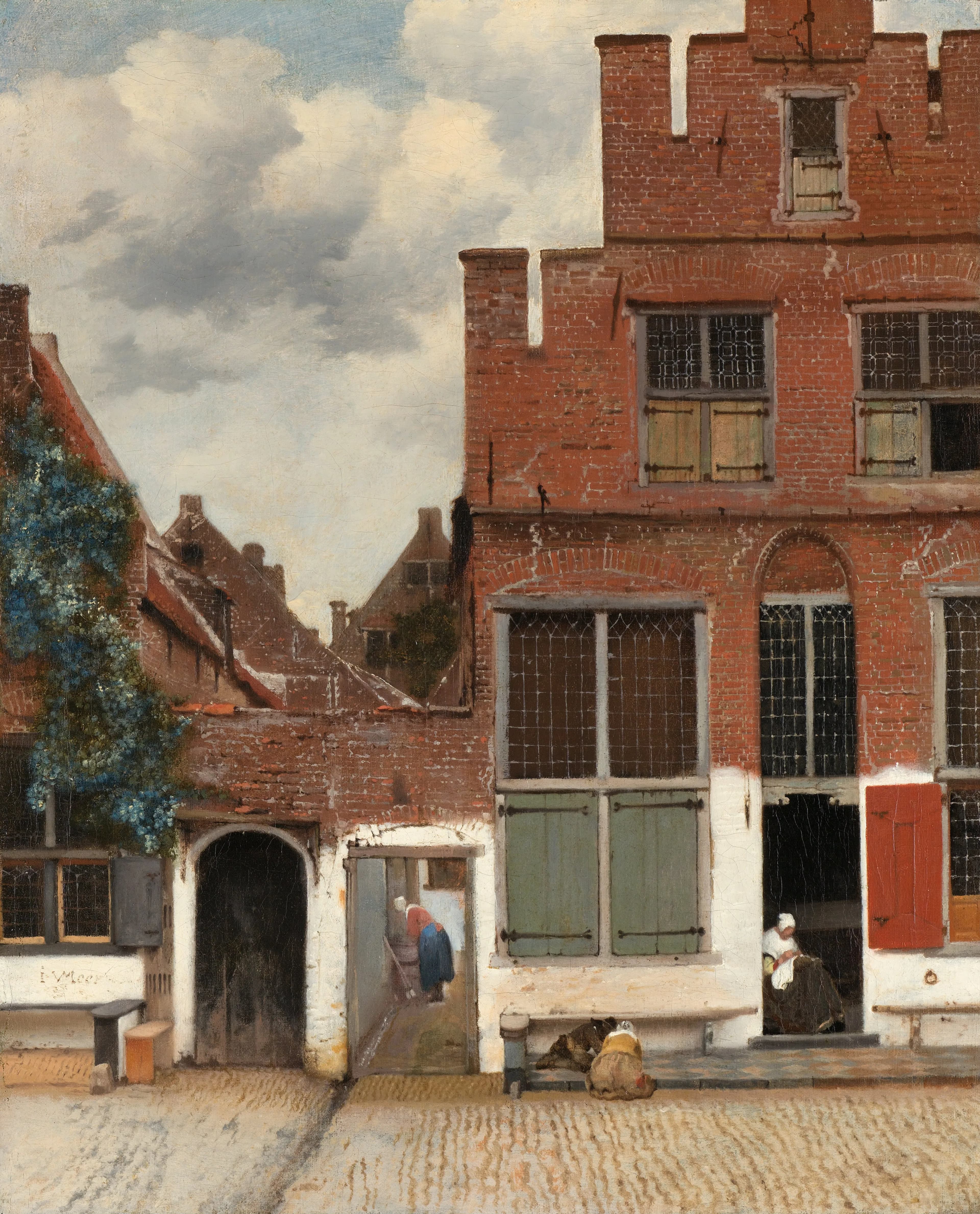
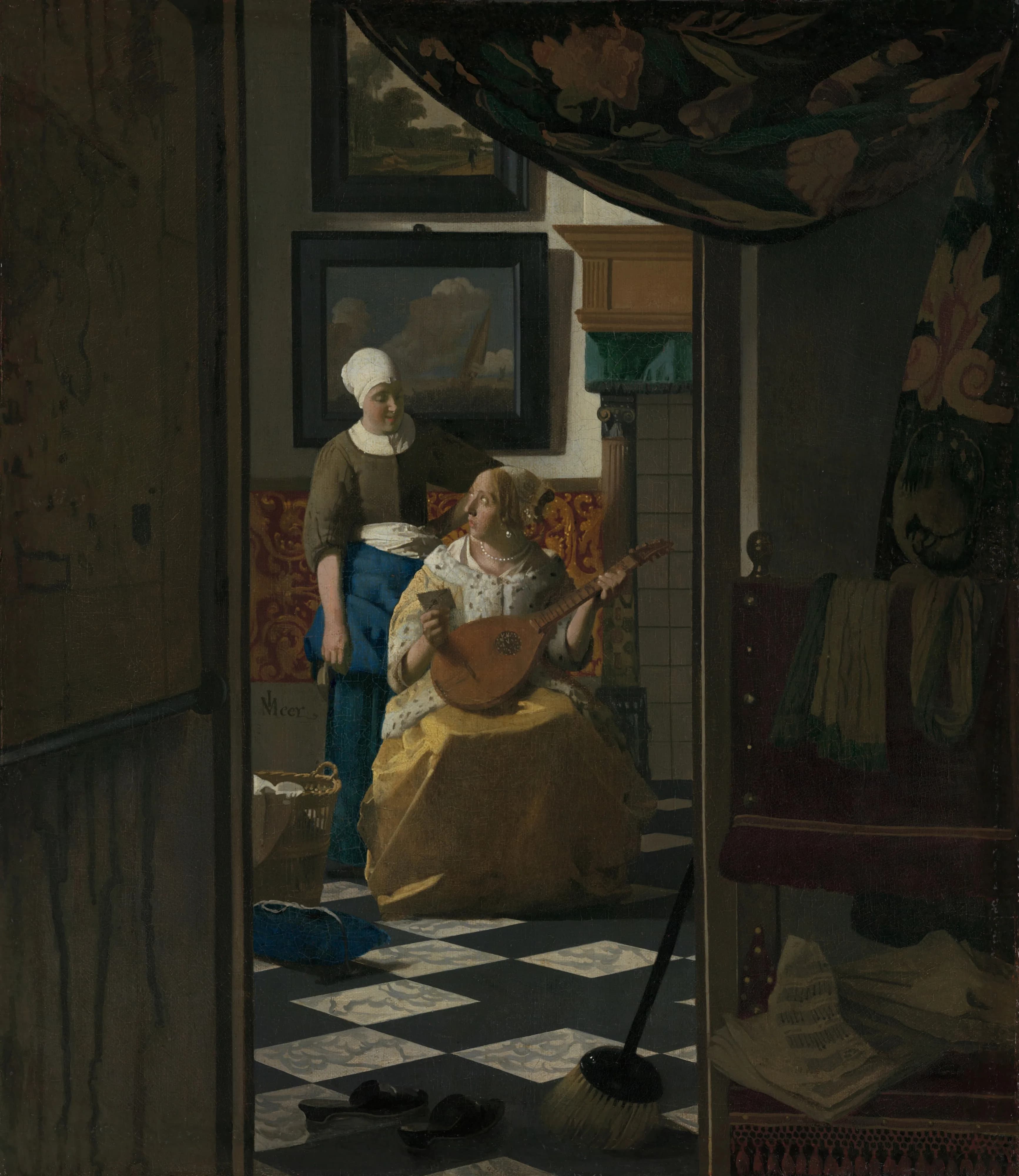
Vermeer was represented by two works lent by the Rijksmuseum in Amsterdam. “The Little Street” (cat. no. 31), painted around 1657 to 1658, brought the quiet precision of a Delft alley to Rome, its unassuming subject elevated by the painter’s sustained attention to light and surface. “The Love Letter” (cat. no. 310), painted around 1669 to 1670, placed Vermeer among the Dutch masters of the interior scene, its carefully staged moment of communication between mistress and maidservant exemplifying the psychological depth and pictorial refinement that distinguished him within the Golden Age tradition. Their presence in a Council of Europe exhibition held in the heart of Rome underlined how fully Dutch genre painting had come to be regarded as a central, not peripheral, current in the seventeenth-century European canon.
- Dates
- 1 Dec 1956 – 28 Jan 1957