Reading the Sky
Beneath the Stars of the Mediterranean
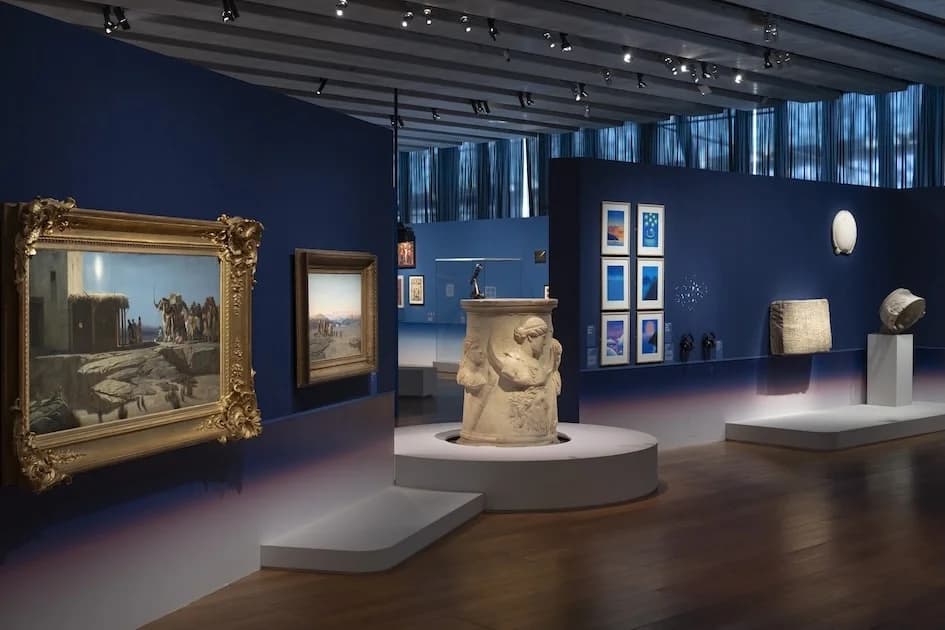
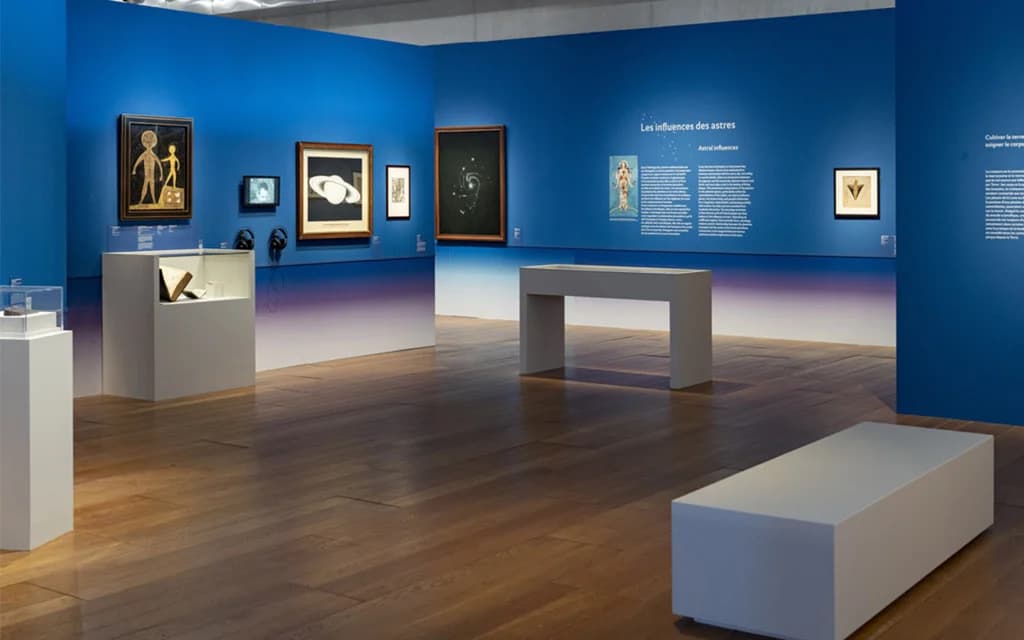
Reading the Sky opened at the MuCEM in Marseille on 9 July 2025 and ran until 5 January 2026. Curated by Juliette Bessette and Enguerrand Lascols, the exhibition charted three thousand years of humanity's engagement with the night sky across the Mediterranean world, tracing a path from Mesopotamian celestial surveys of the third millennium BC through medieval Arab-Muslim astronomy and the Galilean revolution to contemporary concerns about light pollution and the revival of astrology. More than 300 works were assembled for the occasion, drawn from over 200 loans contributed by the Louvre, the Bibliothèque nationale de France, the Musée d'Orsay, and institutions in Florence, Naples, Siena, and Athens, alongside more than 100 objects from the MuCEM's own collections.
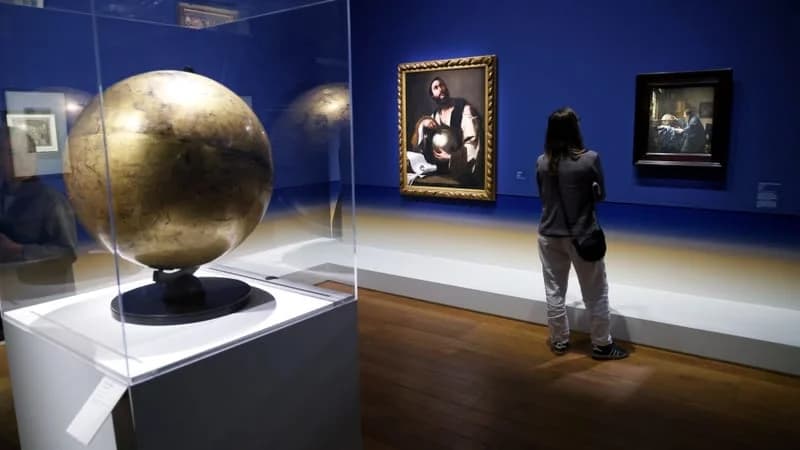
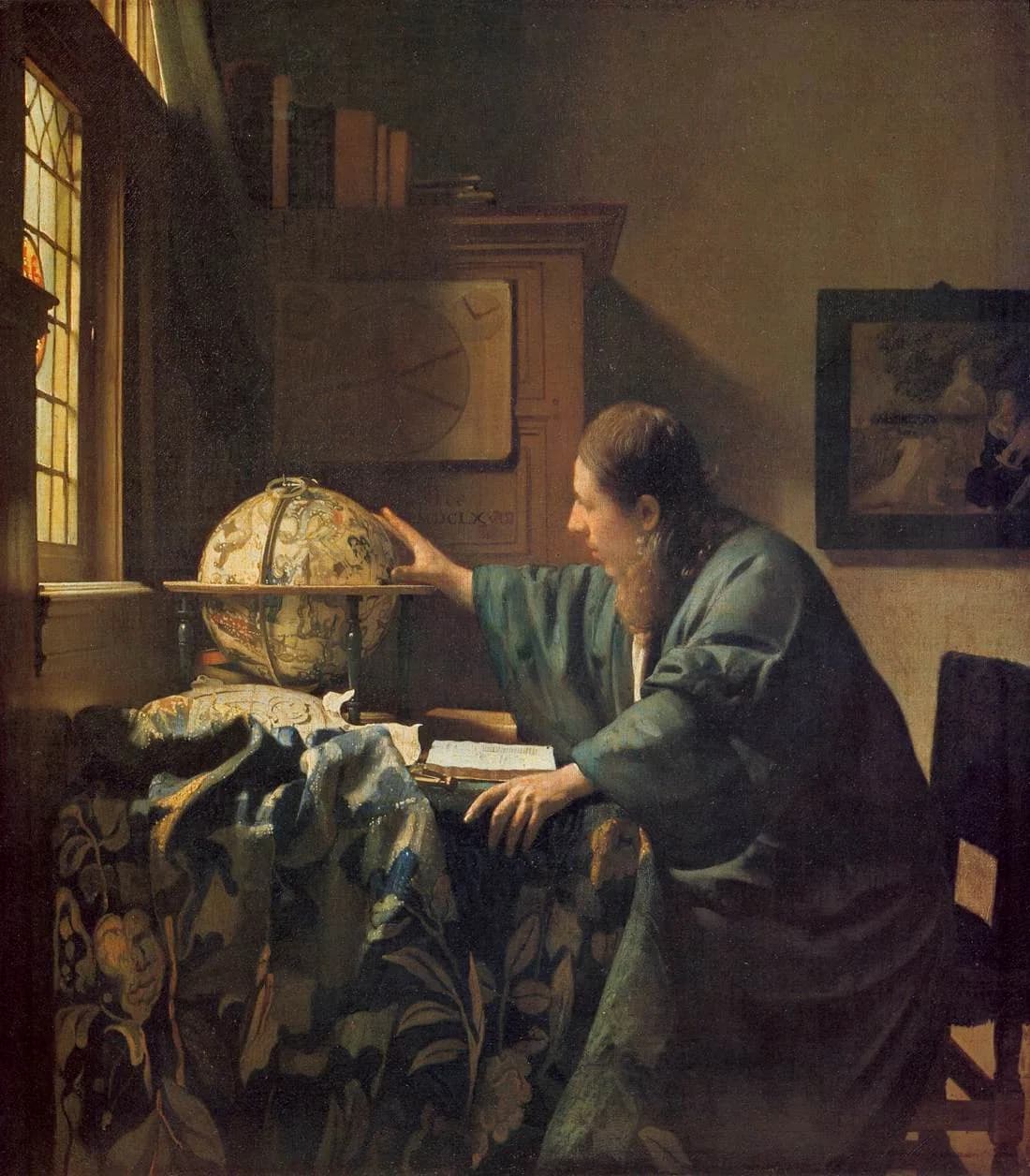
One of the exhibition's most celebrated loans was Vermeer's The Astronomer (c. 1668) from the Louvre, displayed for approximately three months as a centrepiece of the section devoted to scientific observation and the figure of the scholar. The painting had never previously been shown in France outside Paris, making its temporary presence in Marseille a rare event. Other highlights included a Pompeii fresco, a silver celestial globe bearing one of the oldest known depictions of the constellations, and a rare medieval illuminated manuscript from Boulogne-sur-Mer. Sixteen contemporary artists from across Mediterranean countries, among them Etel Adnan, Abdelkader Benchamma, Caroline Corbasson, and Sara Ouhaddou, contributed new works that placed the historical material in dialogue with present-day perspectives on the sky and its cultural memory.
Vermeer's small panel fits naturally into the exhibition's framing of astronomy as both an intellectual discipline and a deeply human pursuit. The scholar shown bending over a celestial globe, surrounded by instruments of measurement and a manuscript chart, embodies precisely the tradition of systematic sky-reading that the MuCEM traced from ancient Mesopotamia to early modern Europe. The Louvre's decision to lend the work underscored the exhibition's ambition to bring canonical objects of European art history into conversation with the broader Mediterranean and non-Western astronomical traditions that fed into them.
- Dates
- 9 Jul 2025 – 6 Jan 2026
- Museum
 Mucem
Mucem