The Age of Rembrandt. Dutch Paintings from French Public Collections
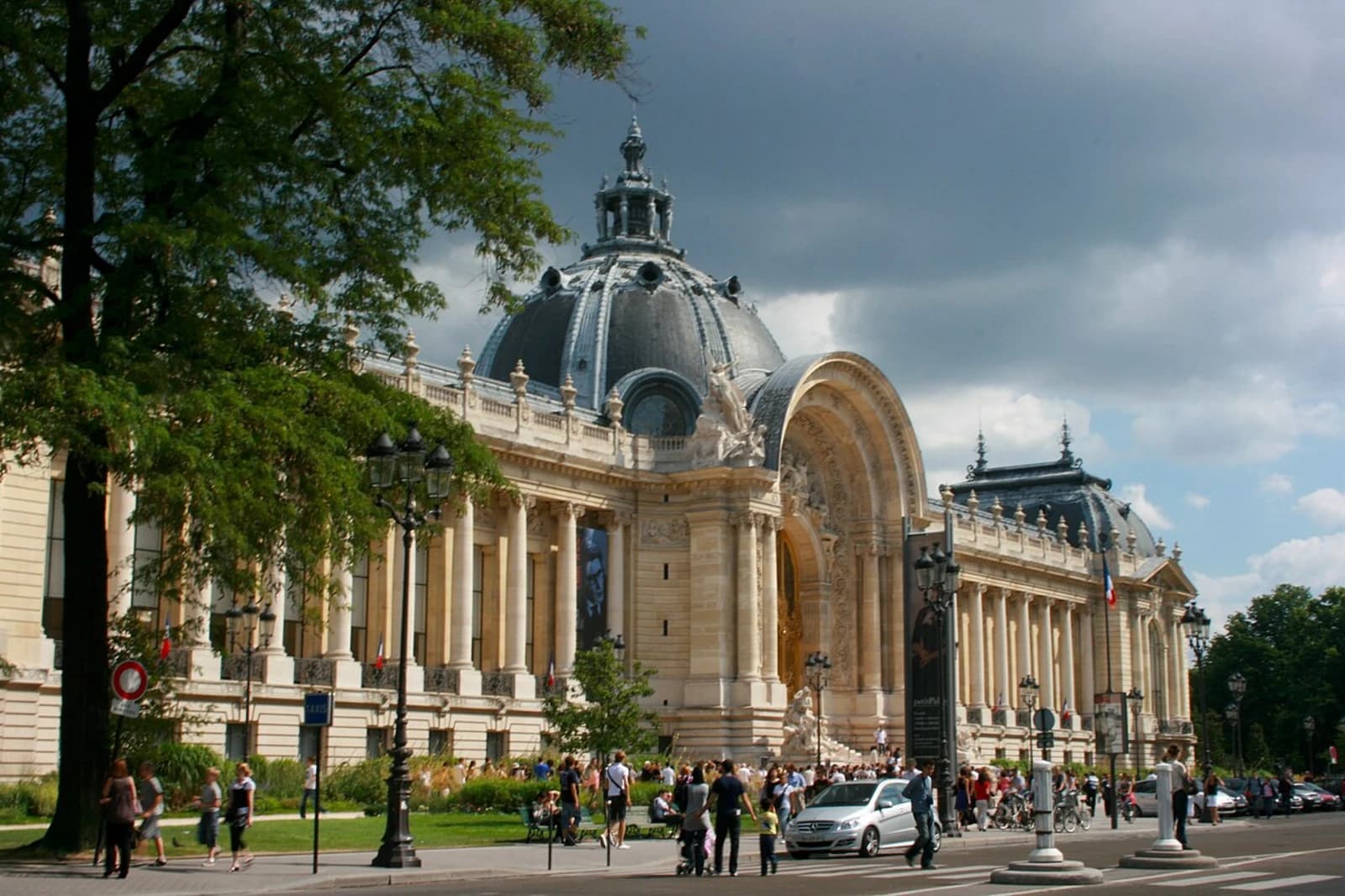
From November 1970 to February 1971, the Musée du Petit Palais hosted one of the most comprehensive surveys of Dutch Golden Age painting ever assembled from French public collections. The exhibition gathered seventeenth-century Dutch pictures held in museums and galleries across France, demonstrating the depth and range of a collecting tradition that had taken root through royal acquisition, aristocratic bequest, and nineteenth-century philanthropy. The published catalogue, issued by the Ville de Paris and running to 278 pages with black-and-white reproductions, was the work of a large curatorial team drawn from the principal French museum institutions, among them Jean Laclotte, Michel Ménard, and Pierre Quoniam, together with the Dutch museum specialist Dr. A. van Schendel.
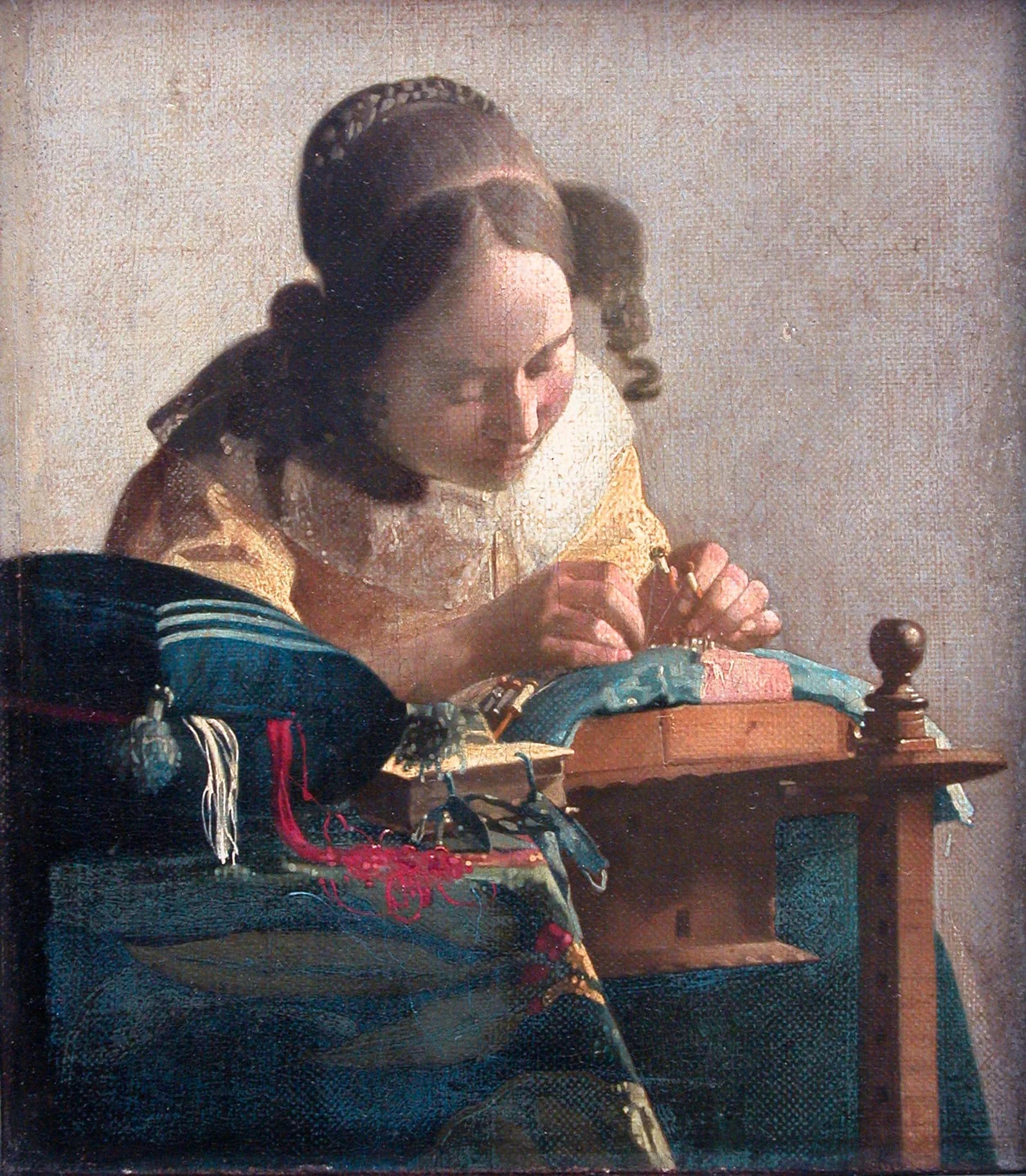
Vermeer was represented by The Lacemaker (c. 1669-70), lent by the Musée du Louvre and entered in the catalogue as no. 222 (reproduced at pages 228-229). The small panel, one of only two Vermeer paintings in French public collections, had entered the Louvre in 1870 as part of the Lacaze bequest and had rarely left Paris. Its inclusion in a survey of this scale underlined the place of the picture among the signal works in the French national inheritance of Dutch art. The concentrated pose of the young woman, her gaze fixed on her bobbins, and the characteristically soft focus Vermeer applied around the thread and needle made the picture a natural centrepiece for any discussion of intimacy and craftsmanship in seventeenth-century Dutch genre painting.
The broader argument of the exhibition was that French collections, assembled piecemeal across two centuries, together constituted a remarkably full picture of the Dutch Golden Age. The holdings of Rembrandt, Hals, and Ruisdael in the Louvre formed the backbone, but smaller regional museums contributed works that shifted the emphasis toward the quieter genres of domestic interior and landscape. The Petit Palais itself held an important group of Dutch and Flemish pictures from the Dutuit bequest of 1902, and these featured prominently alongside the Louvre loans. Taken together, the exhibition offered Parisian audiences a sustained encounter with the seventeenth-century Dutch republic at a moment when scholarly interest in the period, and in Vermeer in particular, was beginning to accelerate.
- Dates
- 17 Nov 1970 – 15 Feb 1971
- Museum
 Petit Palais