Dutch Exhibition. Old and Modern Paintings, Watercolours and Drawings
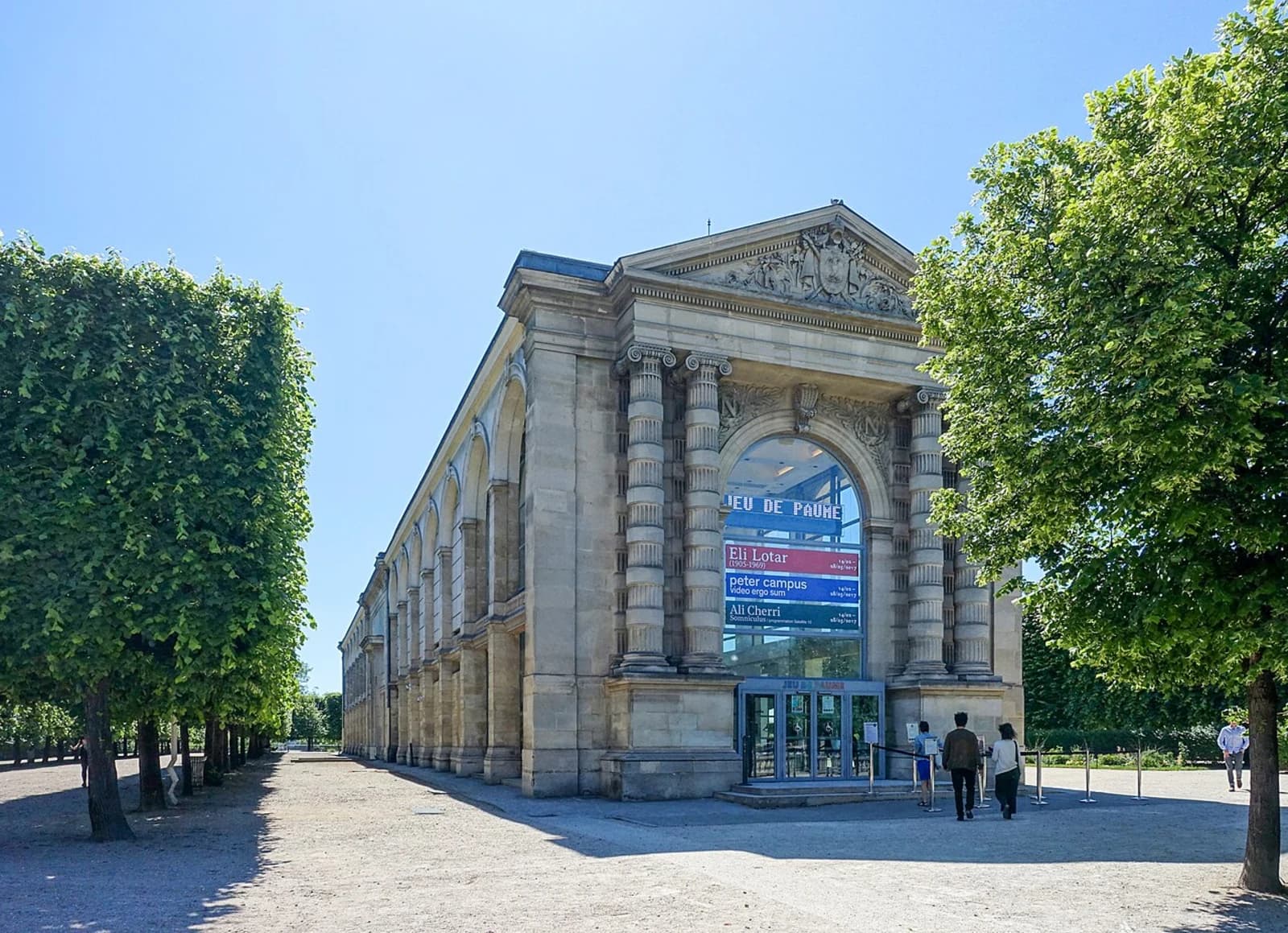
This large-scale loan exhibition, organised under a committee chaired by the Dutch minister to France, Jonkheer Loudon, was conceived as a gesture of cultural goodwill toward France in the aftermath of the First World War. Léonce Bénédite, curator of the Musée du Luxembourg, wrote the preface to the catalogue and helped secure loans from the principal Dutch public collections in Amsterdam, The Hague, and Rotterdam, as well as from private collectors in the Netherlands, Britain, and France. The Jeu de Paume, a former real-tennis hall in the Jardin des Tuileries that had been converted to an art venue in 1909, served as Paris’s principal stage for exhibitions of foreign schools, and this show of around fifty-eight paintings was among the most ambitious it had hosted to that date.
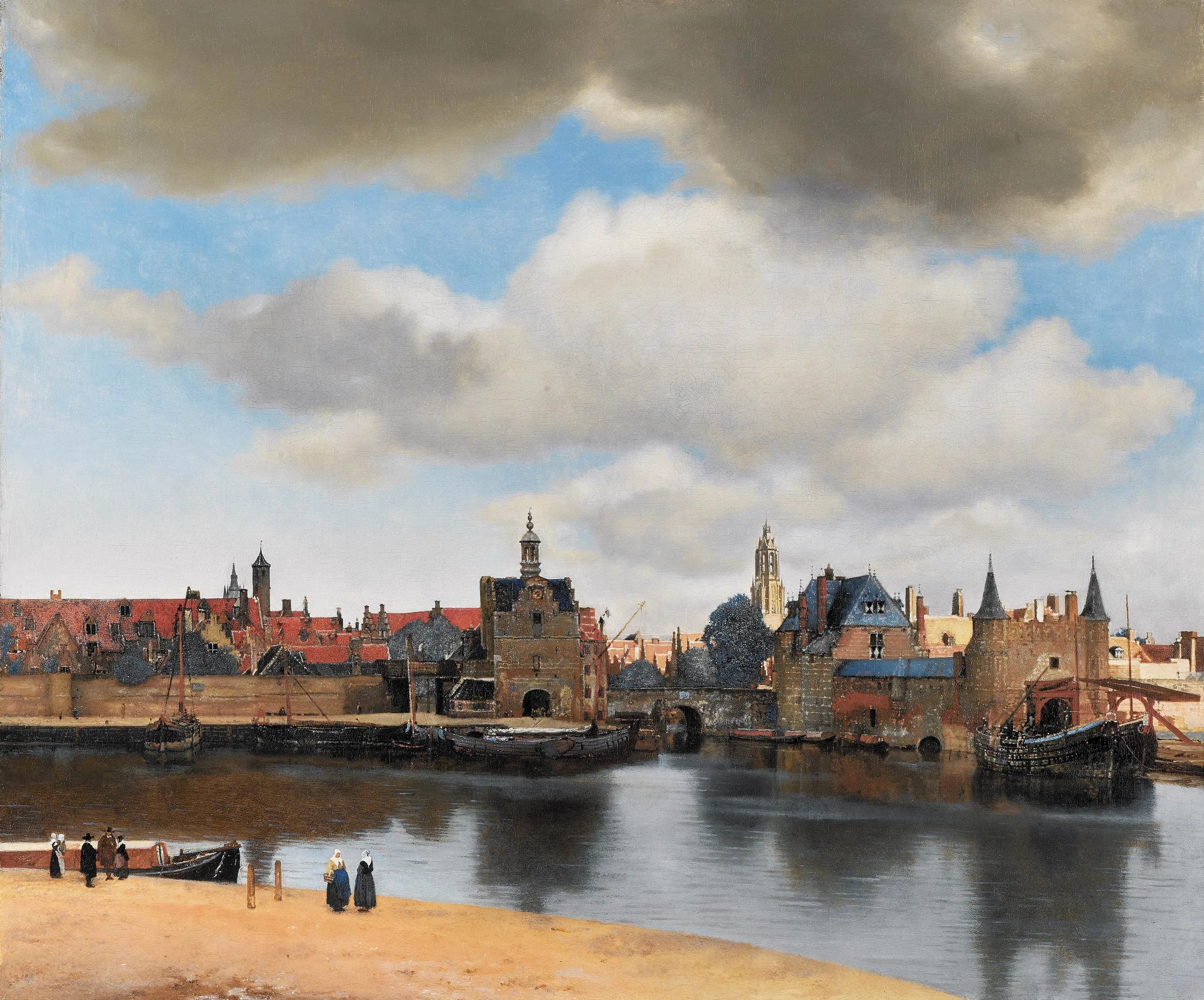
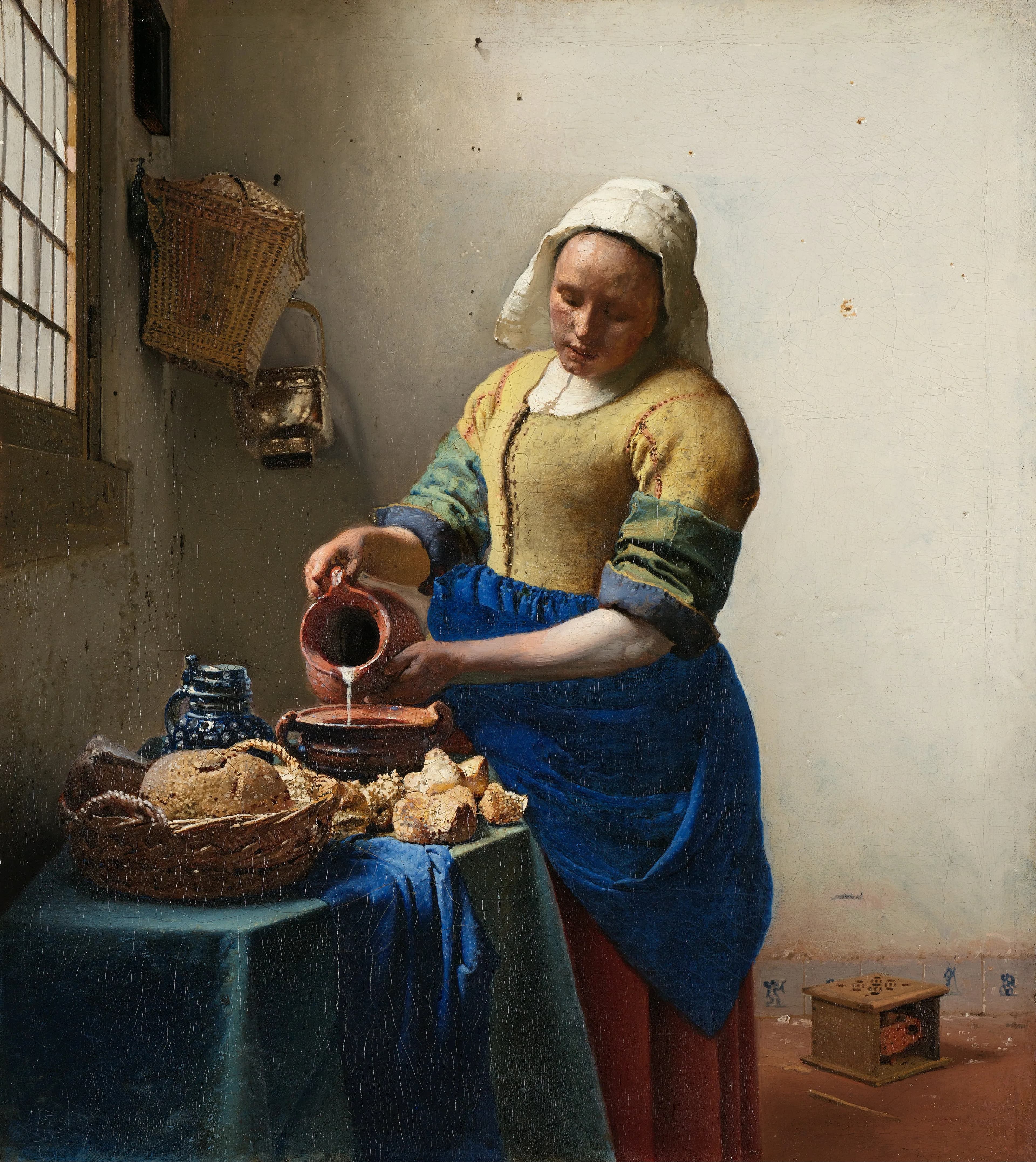
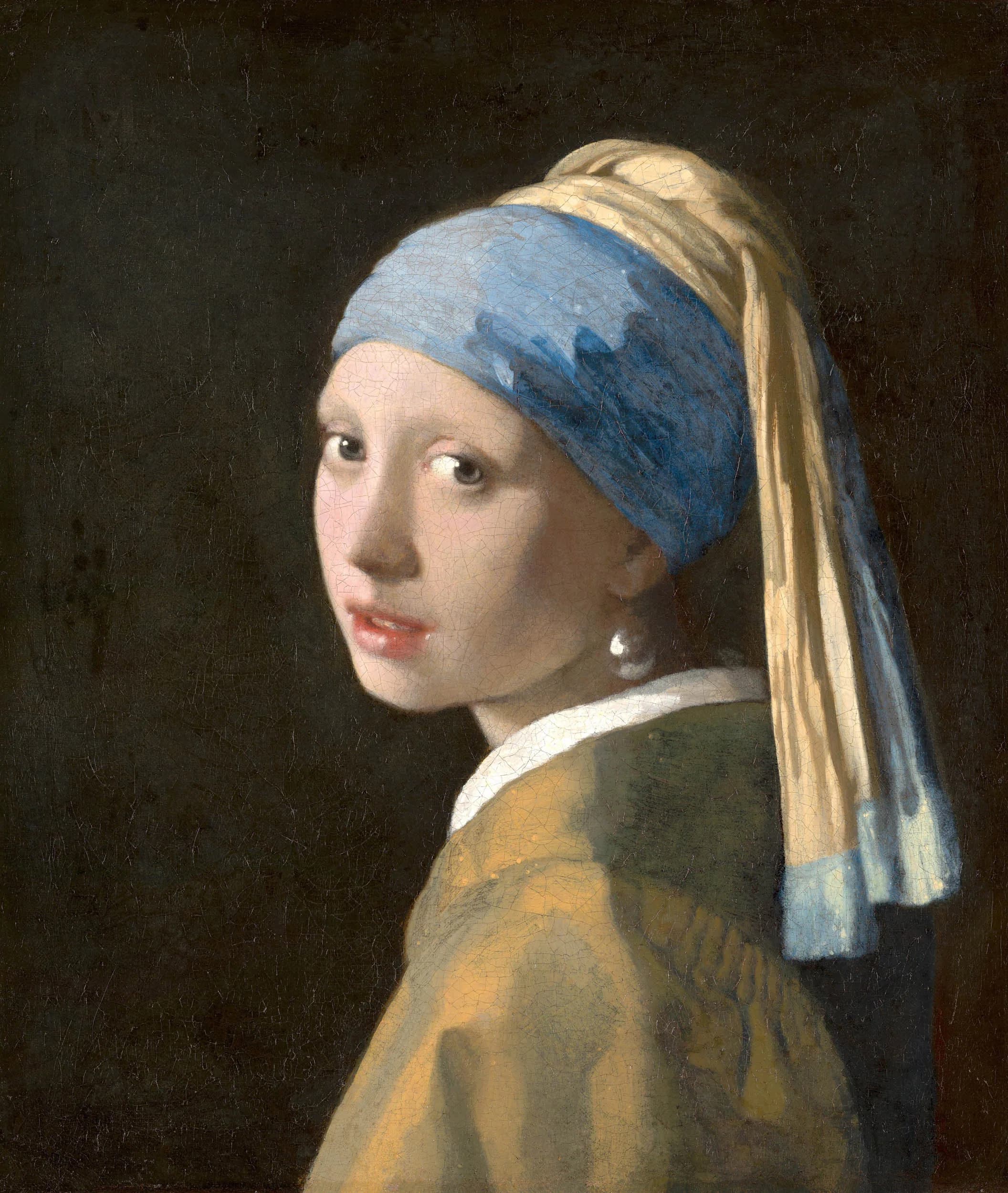
Three works by Vermeer were included, all lent by the Mauritshuis in The Hague: the View of Delft (cat. no. 104), The Milkmaid (cat. no. 105), and Girl with a Pearl Earring (cat. no. 106, illustrated in the catalogue). Despite accounting for only three of the fifty-eight canvases, Vermeer drew more critical commentary than any other painter in the show. Jean-Louis Vaudoyer declared the View of Delft alone worth repeated visits to the Jeu de Paume, and the critic Léon Daudet wrote that Vermeer’s paintings seemed suspended “between space and time.” Girl with a Pearl Earring was widely reproduced in periodicals and compared to the Mona Lisa as the “Dutch Mona Lisa.”
The exhibition had an enduring literary afterlife. Marcel Proust, then gravely ill, made an early-morning visit in May 1921 accompanied by Vaudoyer to see the View of Delft, a painting he had admired years before at the Mauritshuis and called “perhaps the most beautiful painting in the world.“ The experience became the seed of the celebrated death scene of the writer Bergotte in La Prisonnière (1923), the fifth volume of À la recherche du temps perdu, in which Bergotte collapses before Vermeer’s canvas while fixating on a “little patch of yellow wall.“ The 1921 exhibition thus entered French cultural memory not only as a diplomatic gesture but as the occasion for one of literature’s most famous meditations on painting.
- Dates
- 1 Apr 1921 – 28 May 1921

Paintings3
Sources
- Essential Vermeer, Complete Vermeer Exhibition History (1838–2025)
- Essential Vermeer, Vermeer Catalogue with Exhibitions for each Painting
- Exposition hollandaise : tableaux, aquarelles et dessins anciens et modernes (catalogue, 1921), Gallica / BnF
- Essential Vermeer, “petit pan de mur jaune” (Proust and the View of Delft)
- L'Exposition d'Art hollandais au Jeu de Paume (Louis Gillet), Wikisource