Masterpieces of Western European Painting of the XVIth-XXth Centuries from the Museums of the European Countries and USA
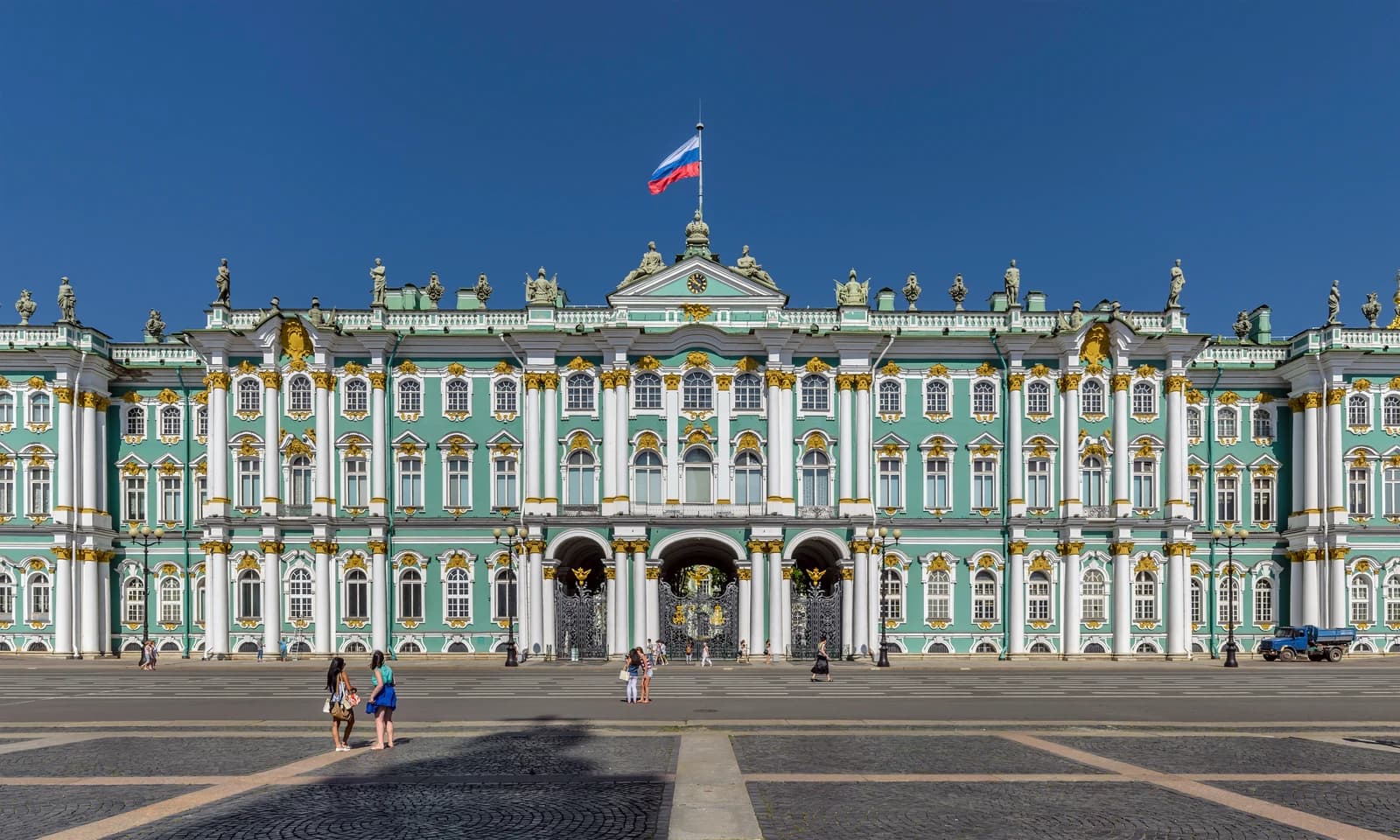
In 1989, the State Hermitage in Leningrad mounted an exhibition of Western European masterworks spanning the sixteenth through the twentieth centuries, drawn on loan from museums across Europe and the United States. The show continued a tradition of Soviet-Western cultural exchange that had begun at the Hermitage with the 1976 tour “West European and American Painting from the Museums of the USA,” organised under the détente-era arrangements brokered by the American industrialist Armand Hammer. By 1989 the framework had deepened: the November 1985 Geneva summit between Ronald Reagan and Mikhail Gorbachev had produced a new cultural agreement between the two countries, and Gorbachev’s glasnost policy had opened Soviet cultural institutions to a degree of international collaboration that would have been unthinkable a decade earlier. Lending a painting from the National Gallery of Art in Washington to the Hermitage in Leningrad was, in that context, an expression of genuine cultural openness on both sides.
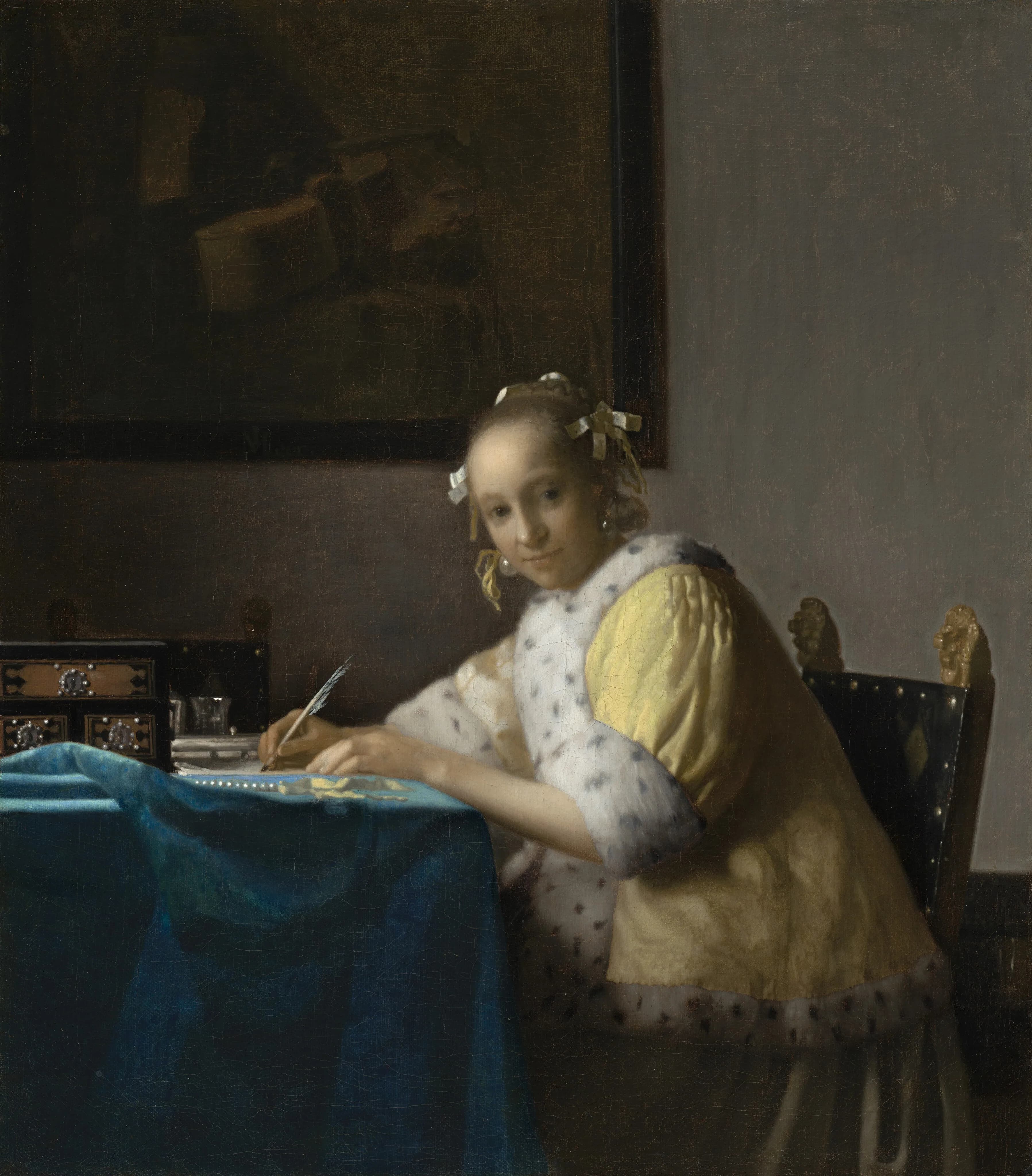
Vermeer’s A Lady Writing (National Gallery of Art, Washington, c. 1665) appeared in the exhibition as catalogue number 14, illustrated in the catalogue. The painting, acquired by the NGA in 1962 as a gift of Harry Waldron Havemeyer and Horace Havemeyer, Jr., had already visited the Hermitage once before, in the 1976 tour, making its 1989 appearance a second encounter between the Leningrad public and one of the finest Dutch Golden Age pictures in American hands. The Hermitage’s own collection of Dutch and Flemish seventeenth-century painting, one of the richest in the world, gave Soviet audiences an unusually rich context in which to place a Vermeer on loan from abroad.
The exhibition unfolded in a year of extraordinary political change. By November 1989 the Berlin Wall had fallen and the communist governments of Eastern Europe were collapsing in rapid succession. The Hermitage show, which brought Western European and American masterworks to Soviet audiences during the final year of the Cold War, stands as a marker of the moment when the Iron Curtain began to lift for European cultural institutions as much as for European governments. Within three years, Leningrad itself would be renamed St. Petersburg.
- Dates
- 1 Jan 1989 – 31 Dec 1989
- Museum
 State Hermitage Museum