Botticelli to Braque: Masterpieces from the National Galleries of Scotland
In the autumn of 2014 the National Galleries of Scotland brought ten masterpieces from the Scottish National Gallery to the Frick Collection in New York, where they were on view from November 2014 through February 2015. The following spring those works joined 45 further paintings drawn from all three Edinburgh institutions, the Scottish National Gallery, the Scottish National Portrait Gallery, and the Scottish National Gallery of Modern Art, for a larger American tour under the title Botticelli to Braque: Masterpieces from the National Galleries of Scotland. The expanded selection of 55 paintings spanned more than four centuries of European art, from Botticelli’s Virgin Adoring the Sleeping Christ Child (c. 1485), which had never previously been exhibited in the United States, to Georges Braque’s Candlestick (1911), among the first Cubist paintings to incorporate written text. Between those poles the show ranged across Renaissance masters such as Titian and Veronese; seventeenth-century painters including El Greco, Velázquez, Van Dyck, Hals, and Rembrandt; British portrait specialists Reynolds, Gainsborough, Ramsay, and Raeburn; Impressionist and Post-Impressionist figures including Degas, Monet, Pissarro, Cézanne, and Gauguin; and early twentieth-century moderns from Matisse and Bonnard to Picasso and Max Ernst.
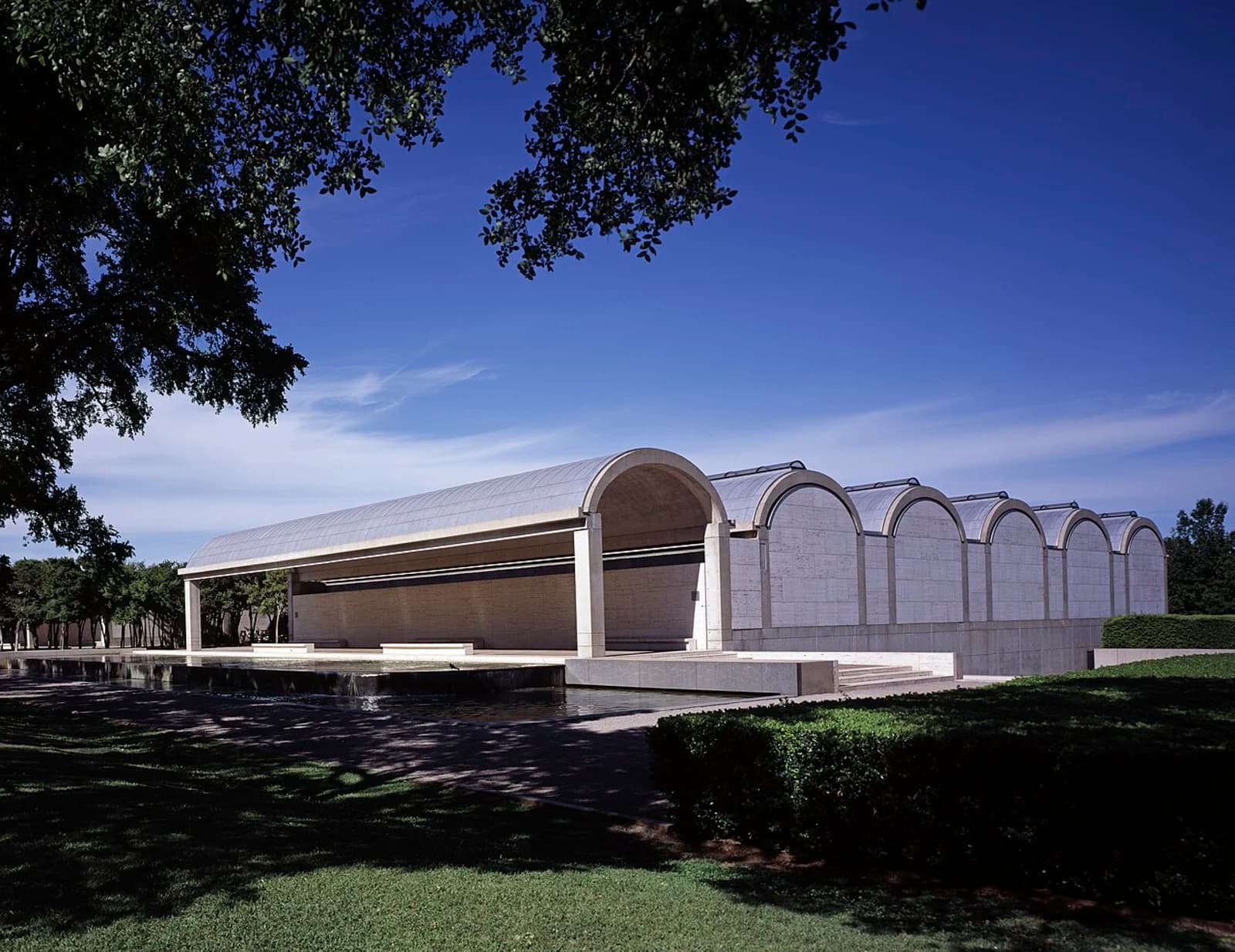
The tour opened at the de Young, Fine Arts Museums of San Francisco from March through May 2015 before traveling to the Kimbell Art Museum in Fort Worth, where it was on view from 28 June through 20 September 2015. The Kimbell, housed in Louis Kahn’s celebrated 1972 building and renowned for its own tightly edited collection of masterworks, was a natural partner for a show built on the same principle of concentrated quality over quantity.
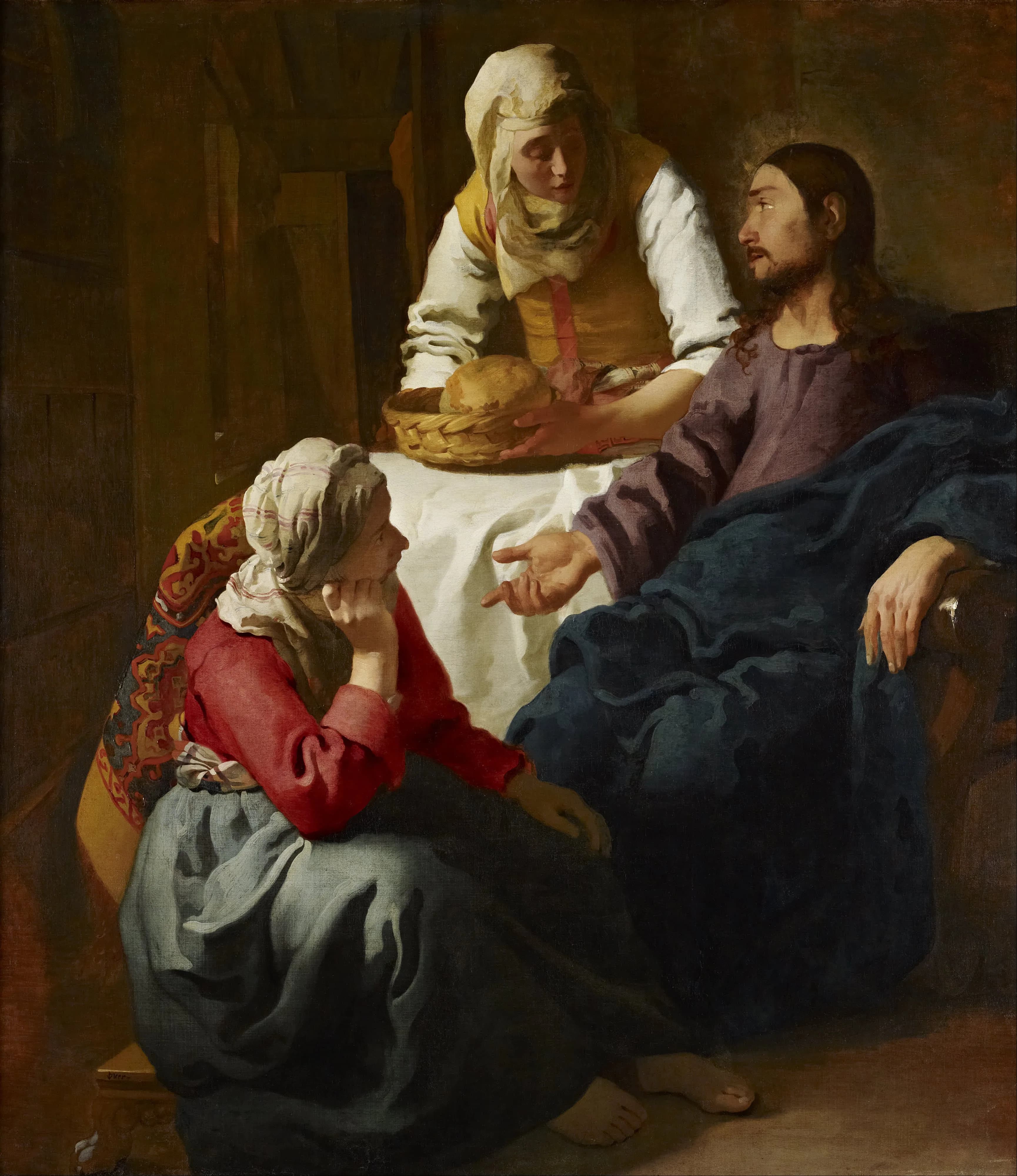
Among the highlights at the Kimbell was Vermeer’s Christ in the House of Martha and Mary (c. 1654–56), the largest surviving work by Vermeer and his only known painting on a biblical subject. In it Christ sits between the two sisters: Martha, busy with household duties, and Mary, who has set them aside to listen to his teaching. The broad, confident brushwork and dramatic fall of light reflect the influence of the Utrecht Caravaggists on the young Vermeer, and the picture has long been regarded as central evidence for placing his early career in a tradition of monumental figure painting before his attention narrowed to the intimate domestic interiors for which he became famous. It remains a highlight of the Scottish National Gallery’s permanent collection in Edinburgh.
- Dates
- 28 Jun 2015 – 20 Sept 2015
- Museum
 Kimbell Art Museum
Paintings1
Sources
- Botticelli to Braque: Masterpieces from the National Galleries of Scotland (Kimbell Art Museum)
- Botticelli to Braque: Masterpieces from the National Galleries of Scotland (Fine Arts Museums of San Francisco press release)
- Masterpieces from the Scottish National Gallery (Frick Collection)
- Botticelli to Braque: Five Centuries of Elegance at the Kimbell (PaperCity Magazine)