Dutch Art and Scotland: A Reflection of Taste
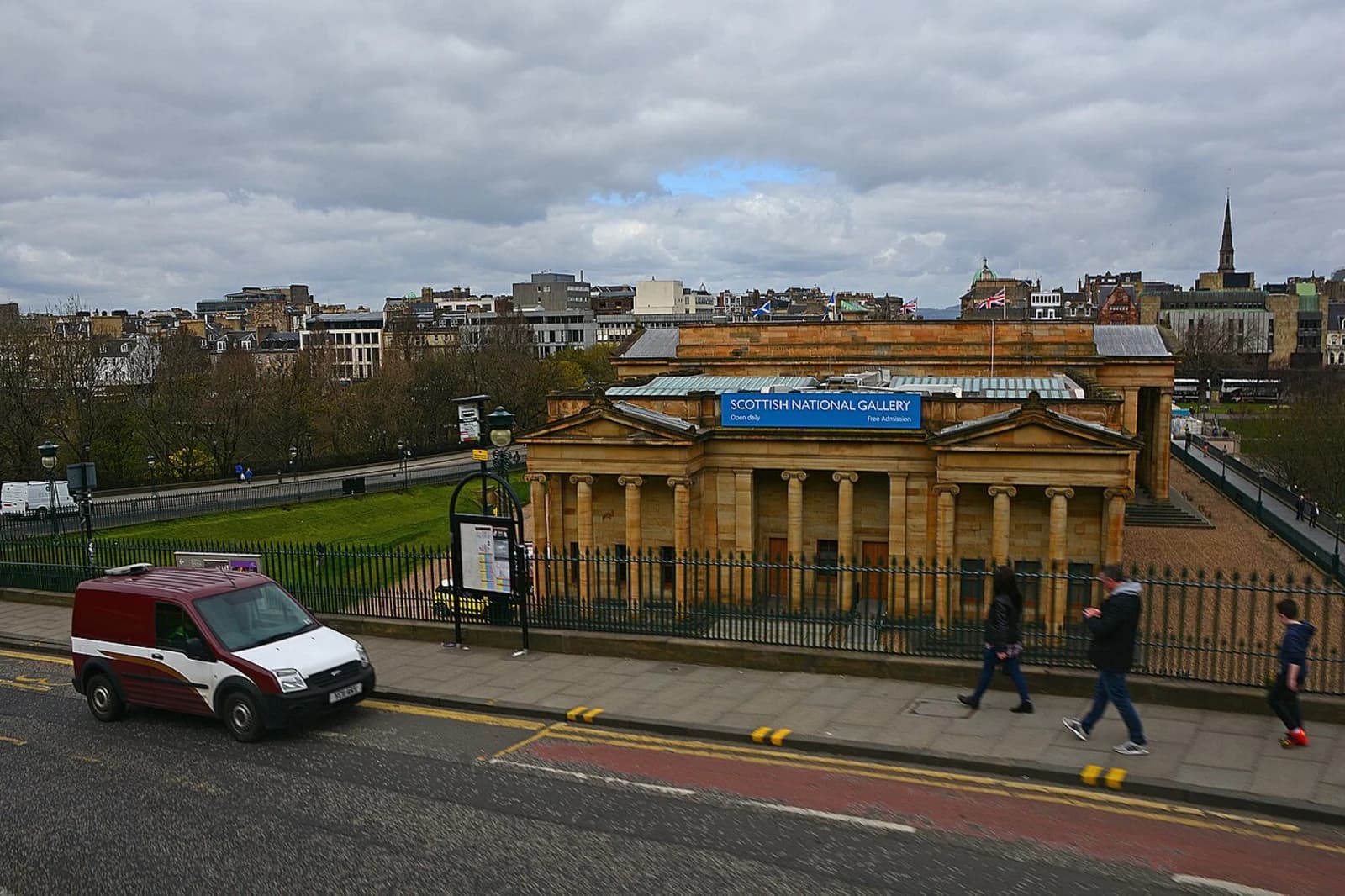
“Dutch Art and Scotland: A Reflection of Taste” was an exhibition held at the National Gallery of Scotland in Edinburgh in 1992, organised to examine the long history of Scottish appetite for Dutch Golden Age painting. The catalogue, authored by Julia Lloyd Williams alongside Christopher Smout and Deborah Howard (ISBN 0903598231), explored how works by Rembrandt, Frans Hals, and their contemporaries had entered Scottish collections from the seventeenth century onward, tracing the commercial and cultural ties that linked Scotland to the Netherlands and shaping the distinct character of what would become one of Britain’s finest concentrations of Dutch art outside London. The exhibition drew on works held across Scottish public and private collections, presenting them as evidence of a sustained and discerning national taste rather than isolated acquisitions.
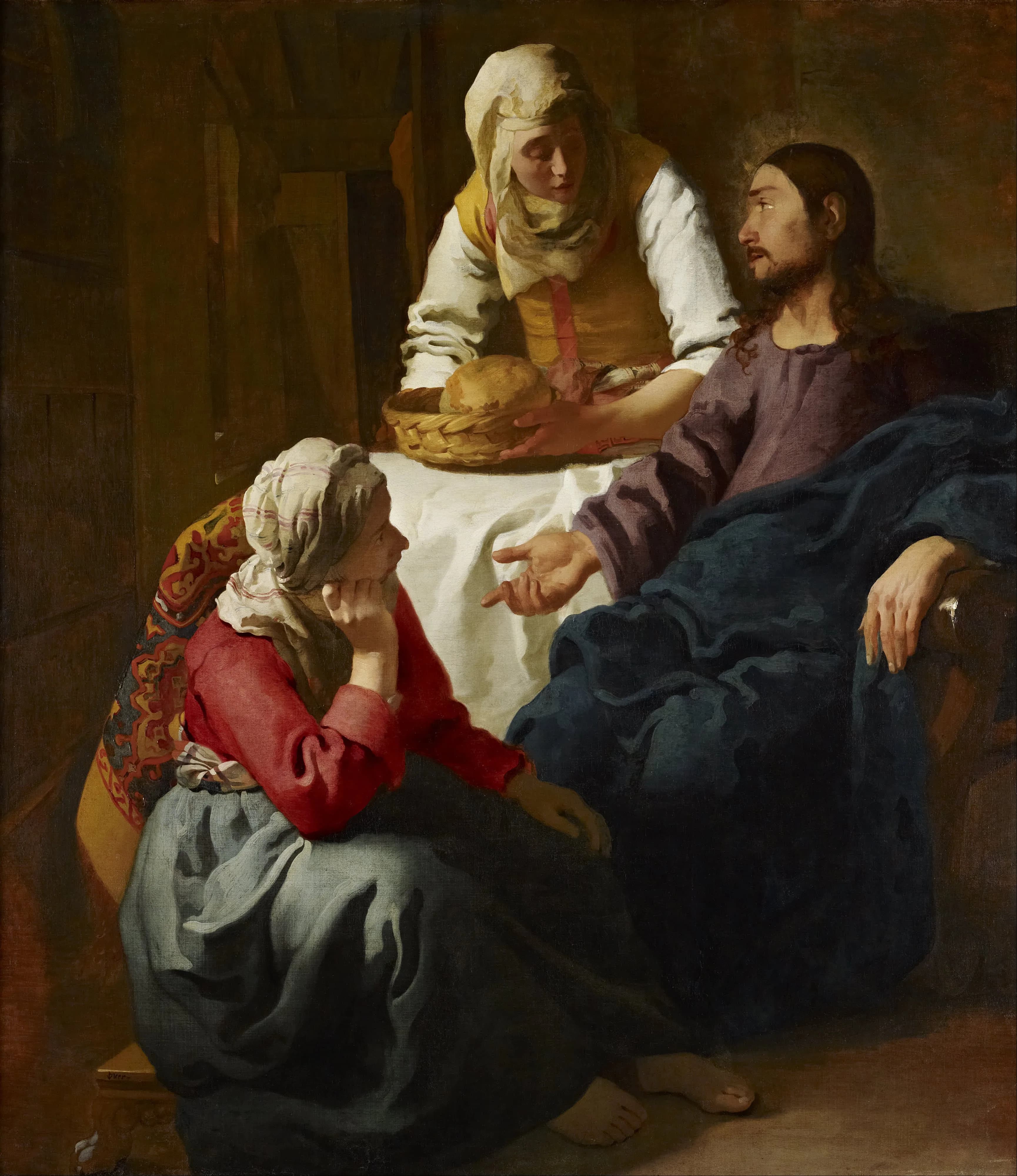
Vermeer’s Christ in the House of Martha and Mary appeared as catalogue number 71. The painting, which has been in the Scottish National Gallery’s permanent collection since 1927, is the only Vermeer in any Scottish public collection. It entered the gallery as a gift from Thomas H. Coats and Major J. Coats in memory of their father, William Allan Coats, a Paisley thread manufacturer who had acquired it shortly after its Vermeer attribution was confirmed in 1901. The work’s presence in the exhibition was therefore not that of a visitor on loan: it was the gallery’s own picture, included as one of the centrepieces of a show that was, in part, a celebration of the institution’s own holdings. At approximately 160 by 142 centimetres, it is the largest painting Vermeer is known to have made and his only surviving work on a biblical subject.
The exhibition’s broader argument, that Scottish collecting had generated a body of Dutch art of genuine international importance, found its sharpest illustration in this single canvas. Few European institutions outside the Netherlands and the major London and Washington museums held a Vermeer at all; the Scottish National Gallery had held one for more than six decades. “Dutch Art and Scotland” made that fact visible by placing the painting within a narrative of taste and acquisition, situating it among the Rembrandts, Hals portraits, and landscape and genre panels that Scottish collectors had assembled across three centuries.
- Dates
- 1 Jan 1992 – 31 Dec 1992

Paintings1
Sources
- Dutch Art and Scotland: A Reflection of Taste (exhibition catalogue, National Gallery of Scotland, 1992)
- Essential Vermeer — Christ in the House of Martha and Mary: Exhibition history
- Christ in the House of Martha and Mary — National Galleries of Scotland collection record
- Christ in the House of Martha and Mary (Vermeer) — Wikipedia