Masterpieces of Art from Foreign Collections. European Paintings from the New York and San Francisco World's Fairs
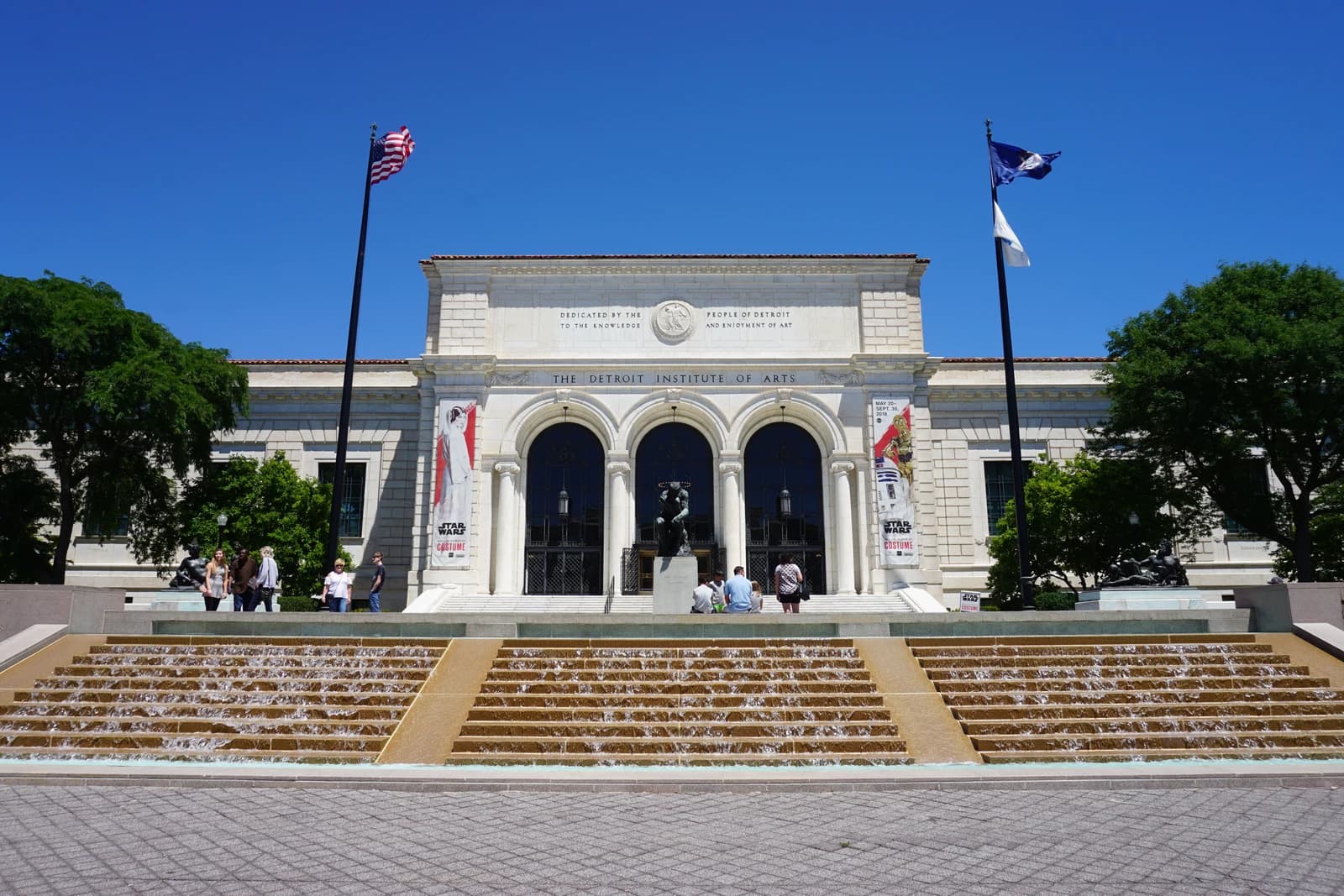
In the summer of 1939, two simultaneous world's fairs brought an exceptional gathering of European old masters to American audiences: the “Masterpieces of Art” exhibition at the New York World's Fair in Flushing Meadows (May to October) and the “Masterworks of Five Centuries” presentation at the Golden Gate International Exposition on Treasure Island in San Francisco (February to October). Together the two events assembled loans from the major museums of the Netherlands, Germany, France, Britain, and Italy. Wilhelm Valentiner, director of the Detroit Institute of Arts and editor of the New York fair's official catalogue, arranged for a selection of the finest canvases from both fairs to travel to Detroit immediately after the fairs closed, giving midwestern visitors a concentrated view of the season's loans before they were shipped back to Europe.
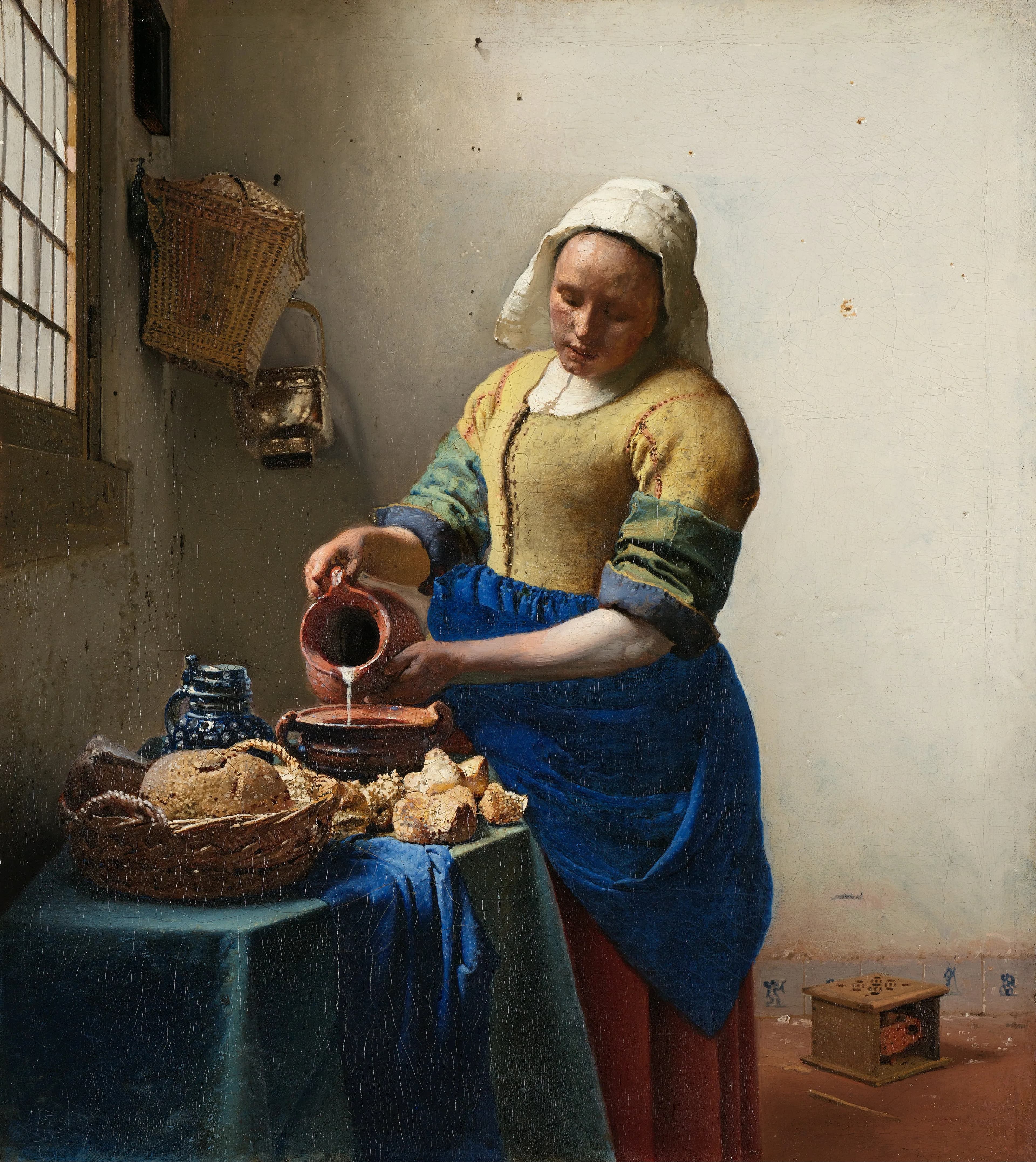
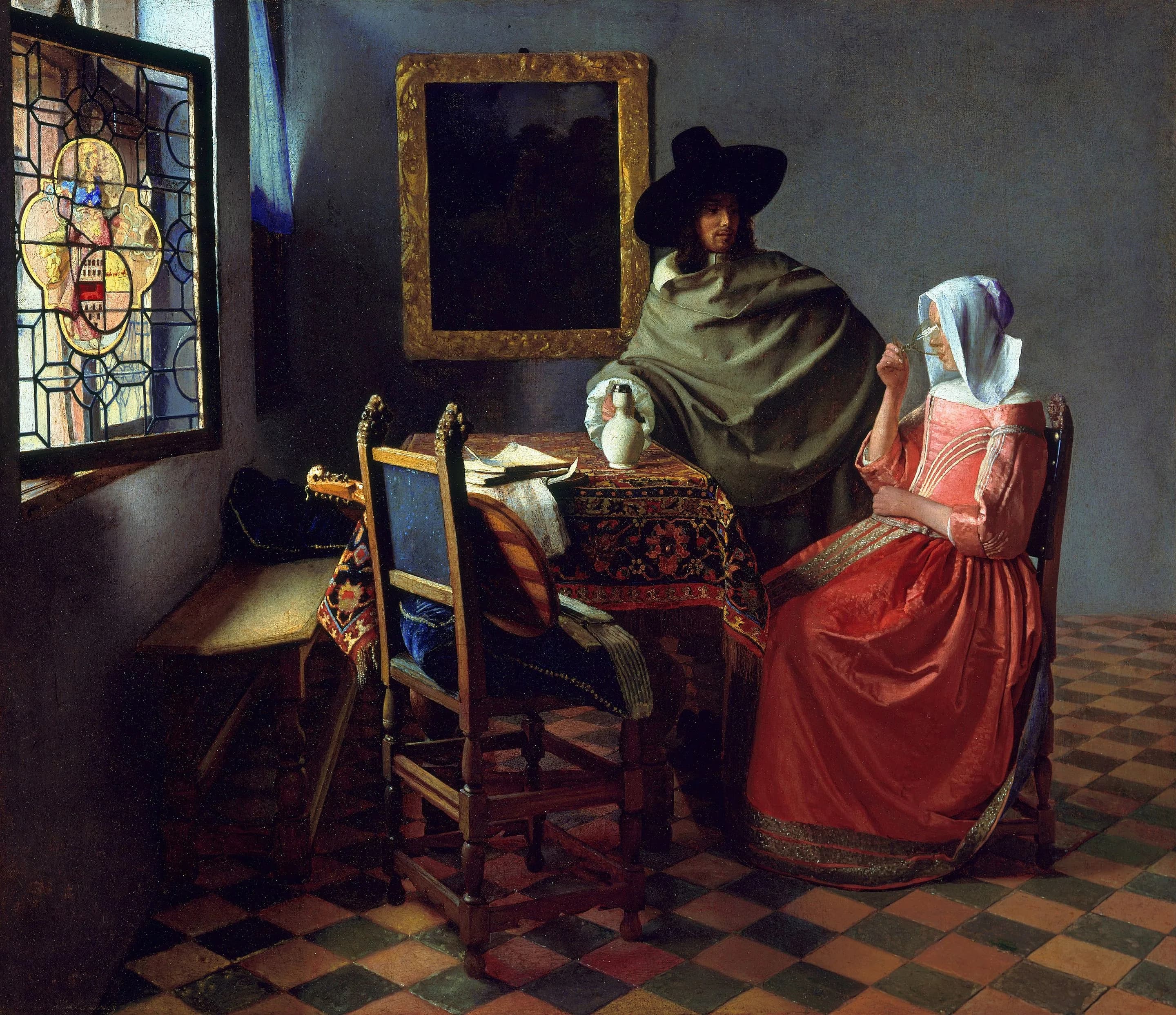
The Detroit showing, which ran 10 November to 10 December 1939, was titled “Masterpieces of Art from Foreign Collections: European Paintings from the New York and San Francisco World's Fairs” and was accompanied by a compact catalogue compiled by Francis Waring Robinson. Among the works was Vermeer's The Milkmaid, lent by the Rijksmuseum in Amsterdam (catalogue page 19, illustration 52). The painting had been the centrepiece of the Dutch loans at the New York World's Fair, where it appeared as catalogue number 398. Germany's Gemäldegalerie in Berlin contributed The Glass of Wine, one of Vermeer's earliest interior scenes, in which a standing gentleman urges a seated woman to drain her glass beneath a window whose stained heraldic roundel carries a figure of Temperantia.
The Detroit exhibition closed just weeks after Germany invaded Poland and the Netherlands had begun mobilising for a war that would reach its borders the following spring. The Milkmaid could not be returned to Amsterdam once the German occupation began in May 1940, and the painting remained on American soil throughout the war, spending time at the Detroit Institute of Arts and later at the Metropolitan Museum of Art in New York, where it was recorded as late as 1944. It finally made its way back to the Rijksmuseum after the liberation of the Netherlands in 1945, and it has not crossed the Atlantic since.
- Dates
- 10 Nov 1939 – 10 Dec 1939