The Royal Cabinet ‘Het Mauritshuis’ at the Museum ‘Het Prinsenhof’ in Delft
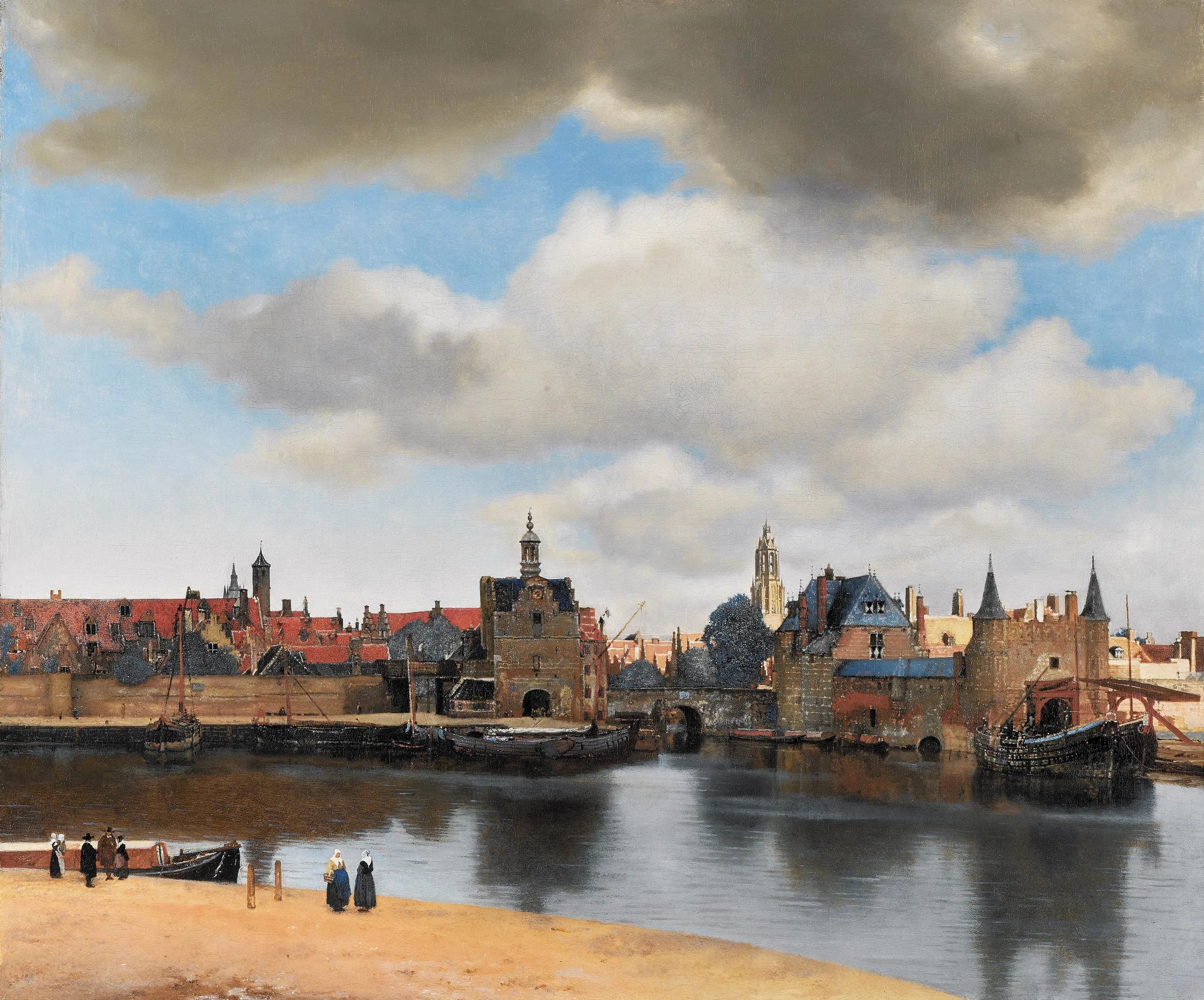
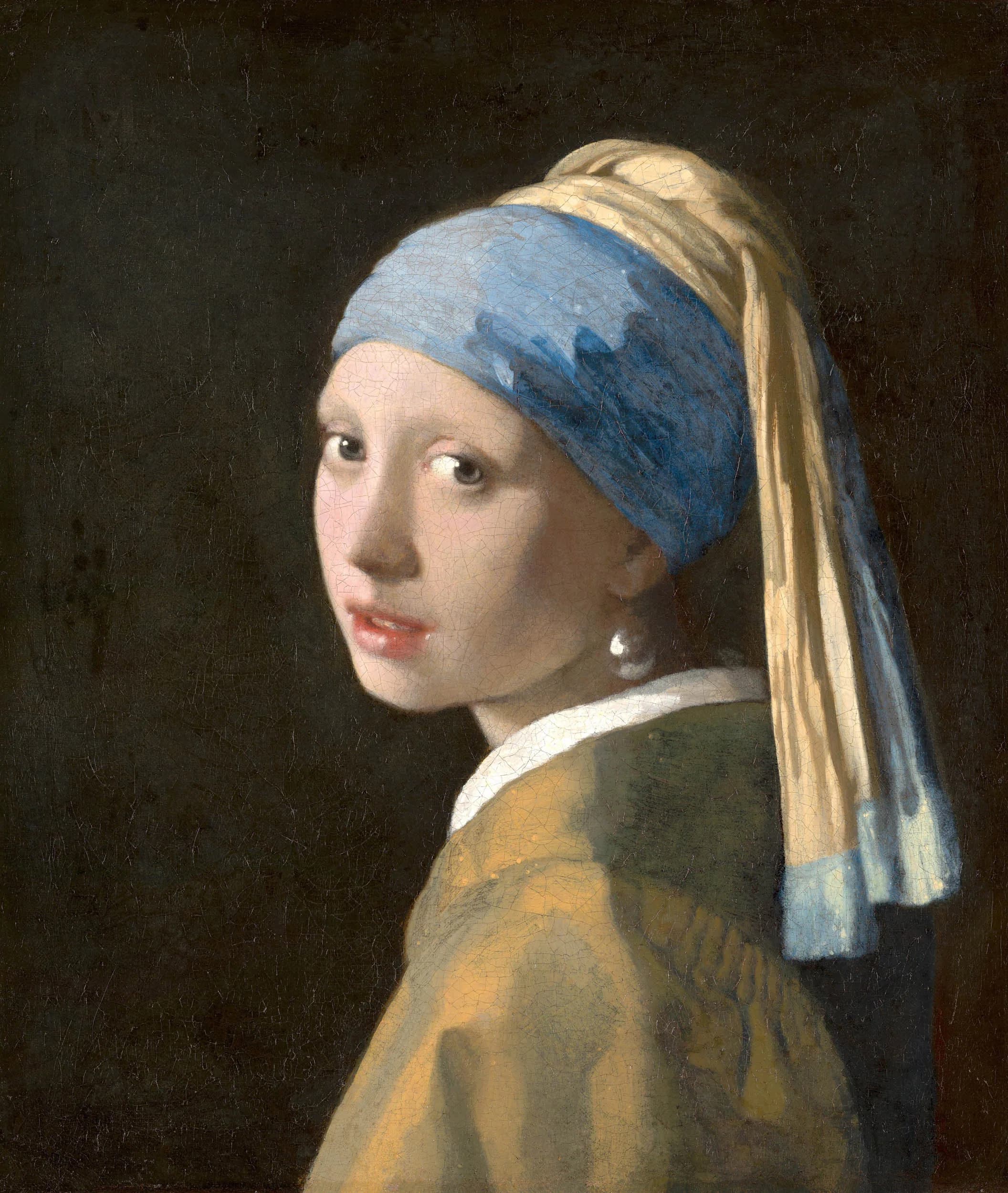
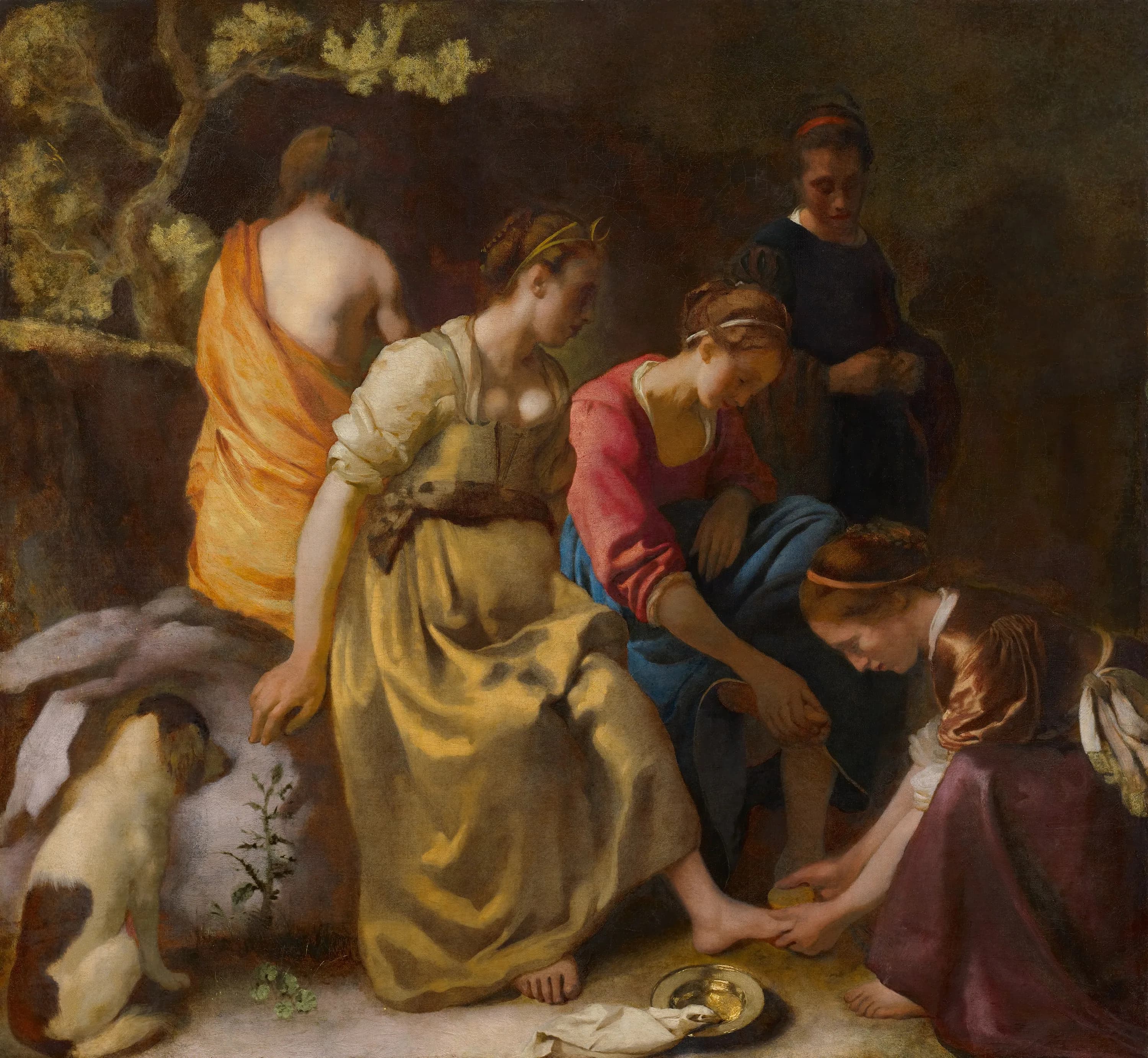
In the winter of 1950 to 1951, the Mauritshuis in The Hague lent a substantial portion of its collection to the Stedelijk Museum Het Prinsenhof in Delft for a five-month presentation. The three Vermeers in the show, “View of Delft” (catalogue no. 25), “Diana and Her Companions” (no. 26), and “Girl with a Pearl Earring” (no. 27), were among the most celebrated pictures in the Mauritshuis, and their temporary relocation to Delft gave them an unusual resonance. Vermeer was born in Delft in 1632, spent his entire career there, and painted the city itself in “View of Delft,” making this the only occasion on which that townscape is known to have been shown in the very city it depicts.
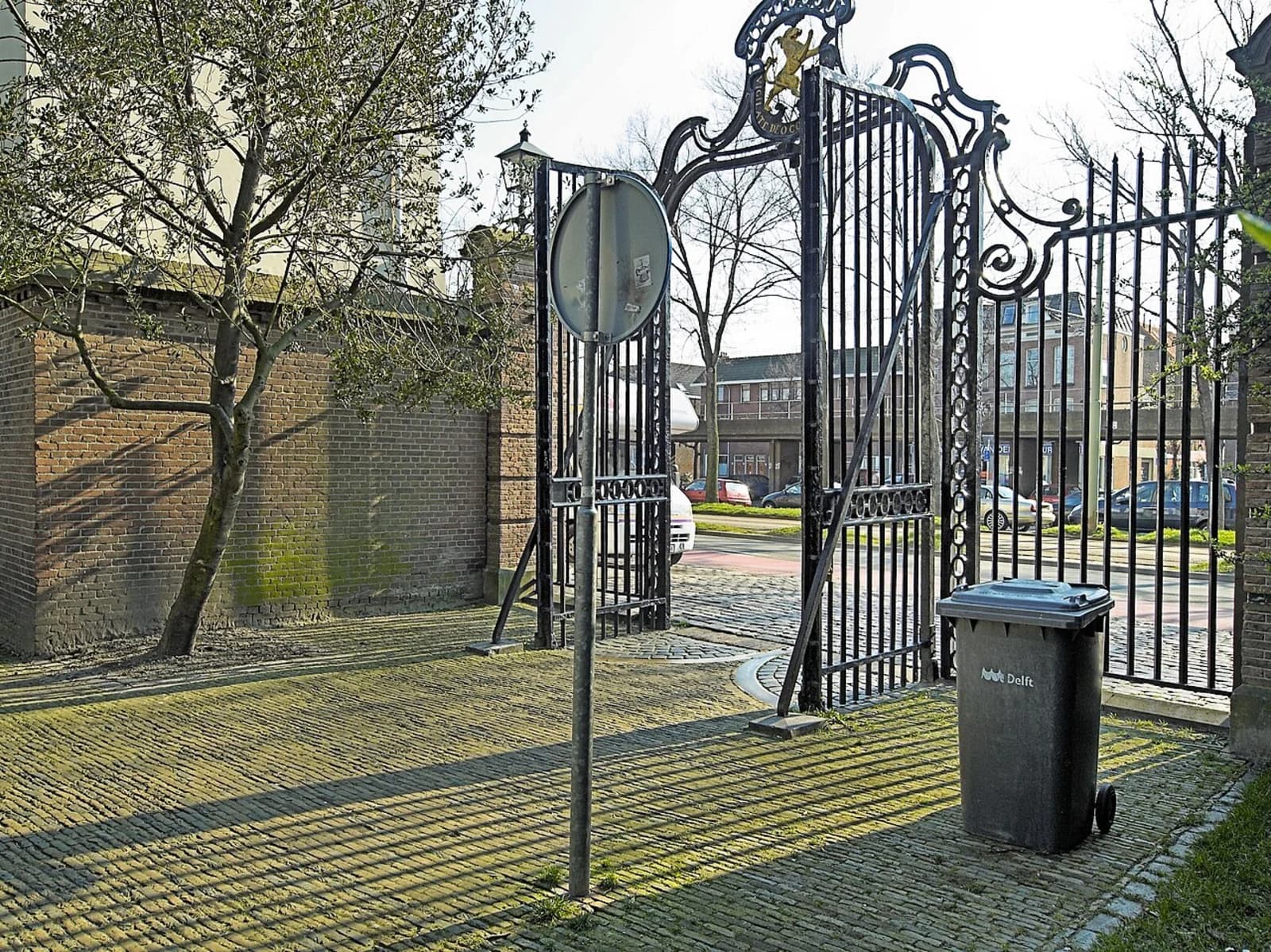
The venue itself added a layer of historical depth. The Prinsenhof occupies the former Sint-Agathaklooster, a fifteenth-century convent converted in the sixteenth century into the residence and headquarters of William of Orange during the Dutch Revolt. It was within these walls that William was assassinated in 1584, an event that shaped the independent Dutch Republic Vermeer would be born into half a century later. By 1911 the complex had been established as a municipal museum, and by 1950 it housed the city’s collections of Delft Blue pottery, Golden Age painting, and material connected to William of Orange. The Prinsenhof therefore offered a setting steeped in the history of the Dutch Golden Age rather than the more formal atmosphere of a royal picture gallery in The Hague.
The presentation was a notable event in the postwar cultural life of the Netherlands, a period in which Dutch museums worked to revive public engagement with the national heritage after years of wartime disruption. Bringing three of the Mauritshuis’s finest Vermeers to the painter’s home city for an entire winter season gave audiences in Delft direct access to works they might otherwise have had to travel to The Hague to see, and underlined the particular bond between Vermeer’s art and the city that produced it.
- Dates
- 1 Nov 1950 – 31 Mar 1951
- Museum
 Museum Prinsenhof Delft