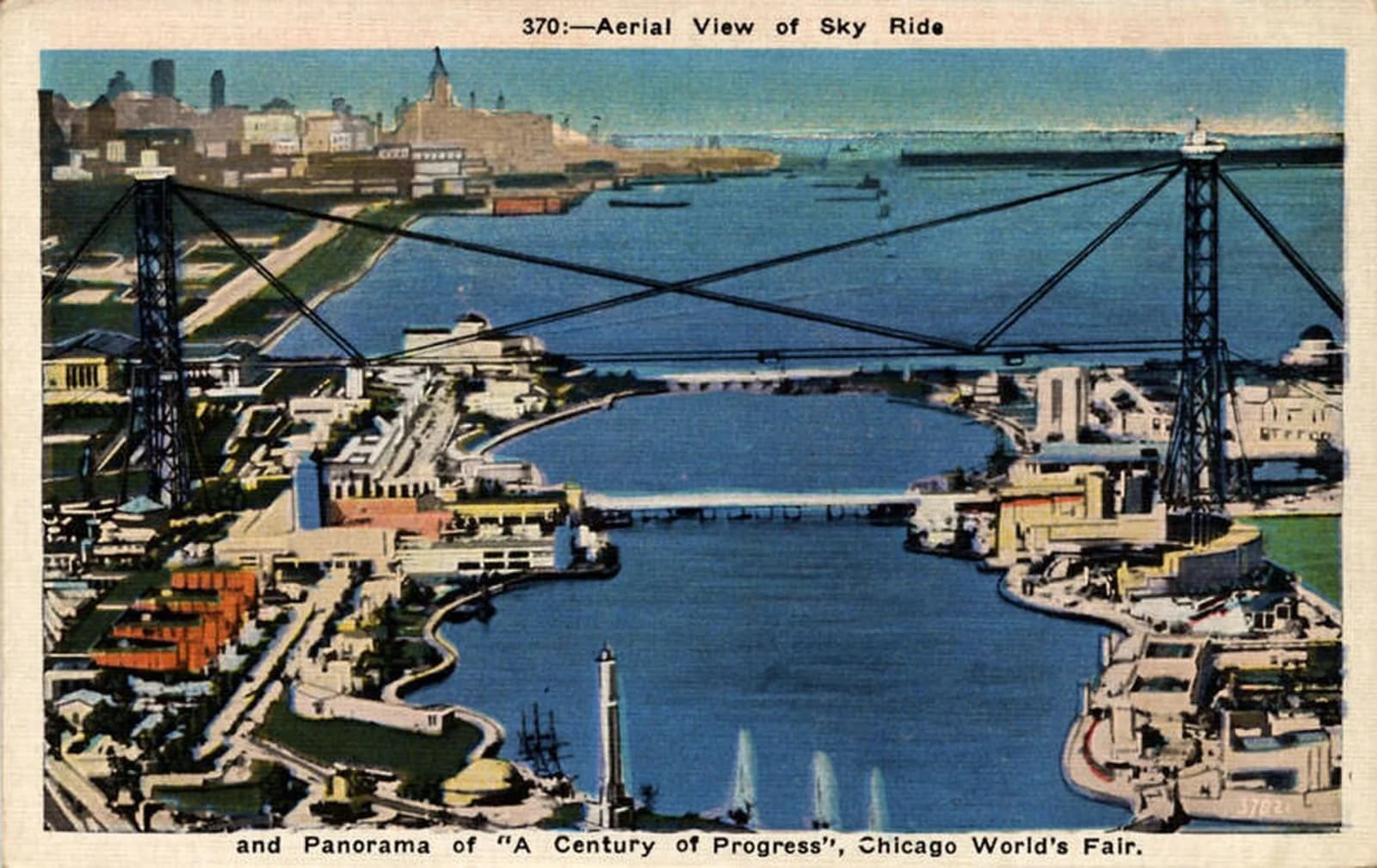
A Century of Progress Exhibition of Paintings and Sculpture
In the summer of 1933, as Chicago hosted the Century of Progress International Exposition to mark the city’s centennial, the Art Institute of Chicago mounted one of the largest and most consequential loan exhibitions in American museum history. Titled “A Century of Progress Exhibition of Paintings and Sculpture, Lent from American Collections,” the show ran from June 1 to November 1 and drew more than a million and a half visitors. Organized under the editorship of Daniel Catton Rich, then the museum’s associate curator of painting and sculpture, the exhibition presented works drawn exclusively from private American collections, offering a survey of Western painting from the Old Masters through the modern era and demonstrating how thoroughly European masterpieces had migrated to the United States by the early twentieth century.
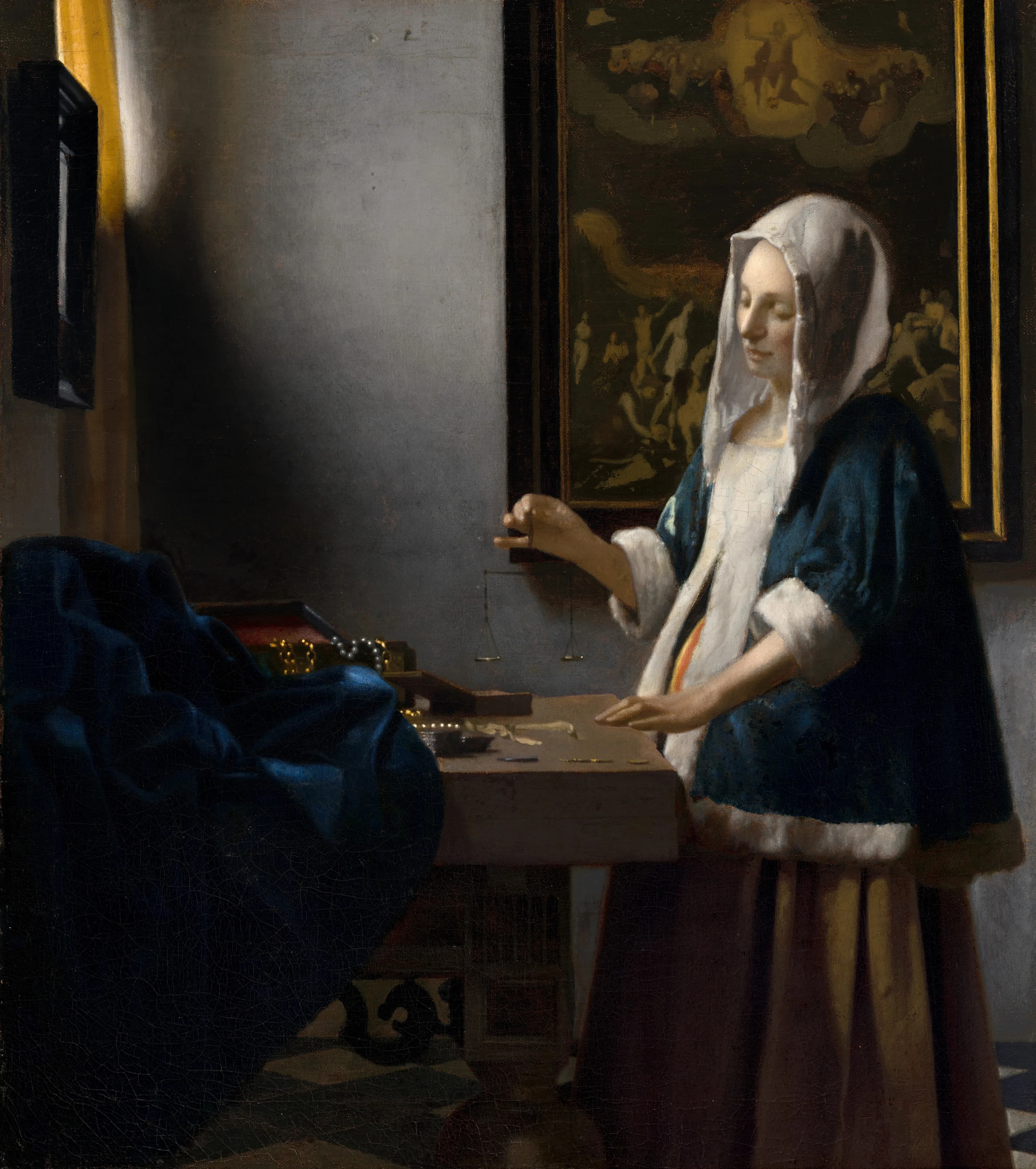
Vermeer was represented by Woman Holding a Balance (catalogue no. 80), which appeared under the title “A Woman Weighing Gold” and was lent by Joseph E. Widener of Lynnewood Hall, Elkins Park, Pennsylvania. The Widener family had acquired the painting in 1911 through the London dealer Colnaghi and the New York dealer Knoedler; ownership passed from Peter A. B. Widener to his son Joseph on Peter’s death in 1915. By 1933 the picture had appeared publicly only once before in America, at a Dutch paintings loan in Detroit in 1925, and the Chicago showing brought it before a genuinely large public for the first time. Joseph Widener donated the entirety of his collection to the National Gallery of Art in Washington at his death in 1942, and the painting has remained there ever since (accession no. 1942.9.97).
The Century of Progress exhibition was notable both for its scale and for what it revealed about the new geography of collecting. Whistler’s “Arrangement in Gray and Black” traveled from the Louvre as a rare exception; most works came from American homes and estates, evidence that the great collecting campaigns of the Gilded Age and Progressive Era had fundamentally reshaped where Old Master paintings lived. The fair itself attracted some 48 million visitors across its two-year run and was the first world’s fair in American history to pay for itself. The Art Institute’s accompanying exhibition gave the exposition a cultural counterweight, placing centuries of European and American art alongside the fair’s vision of technological progress.
- Dates
- 1 Jun 1933 – 31 Oct 1933
- Museum
 Art Institute of Chicago
Paintings1
Sources
- Art Institute of Chicago, A Century of Progress: Loan Exhibition of Paintings and Sculpture (1933)
- Catalogue of a Century of Progress Exhibition of Paintings and Sculpture, Lent from the American Collections (1933), Internet Archive
- Essential Vermeer, catalogue entry for Woman Holding a Balance
- National Gallery of Art, Woman Holding a Balance, Dutch Paintings of the Seventeenth Century (online edition)