Rembrandt and the Dutch Golden Age
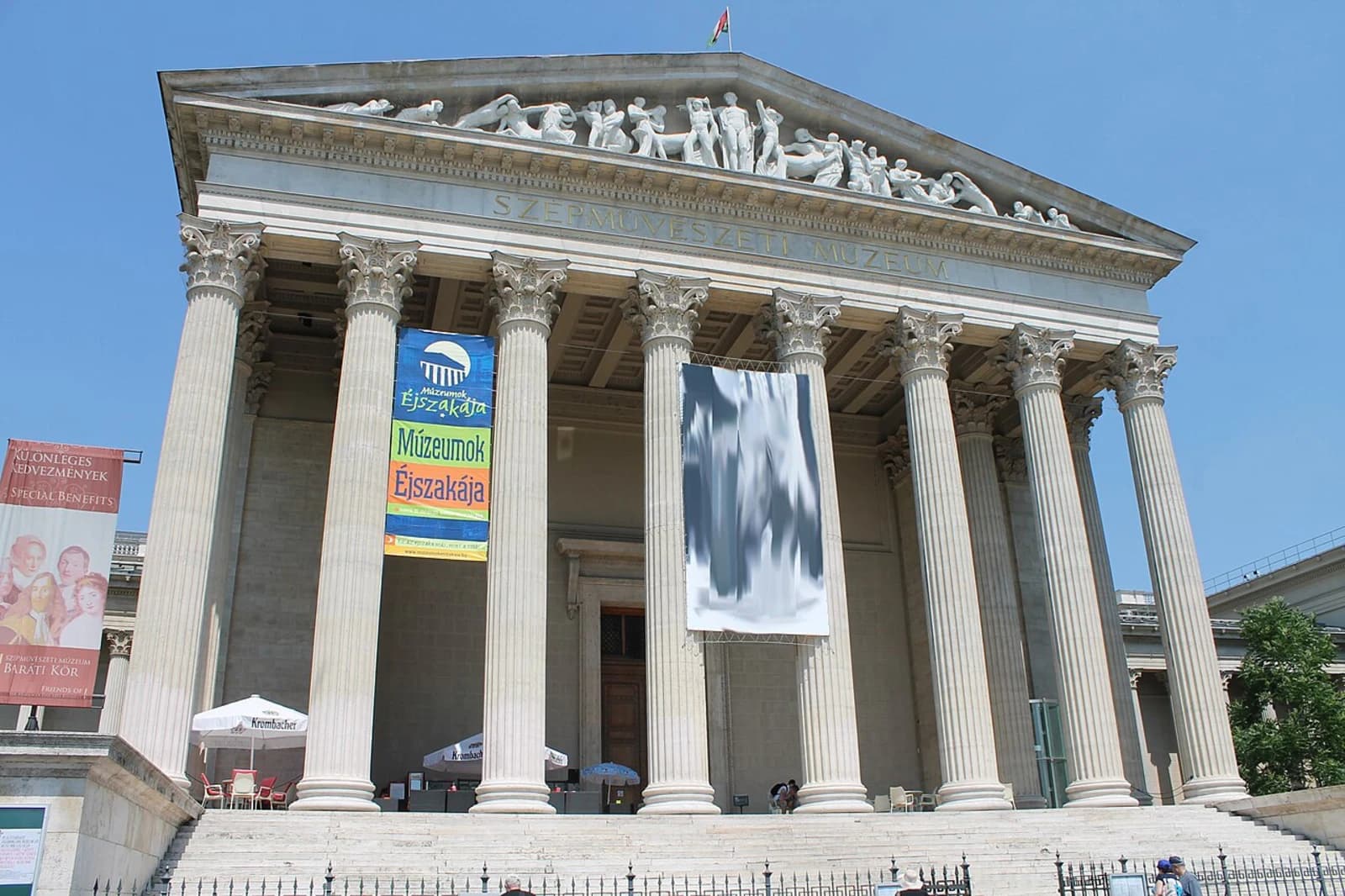
Organised in cooperation with the Nationalmuseum in Stockholm, the Rijksmuseum in Amsterdam, and the private Kremer Collection, this large-scale survey of seventeenth-century Dutch art opened at the Szépművészeti Múzeum on 31 October 2014. The exhibition brought together 178 works by some 100 painters, of which 40 came from the museum’s own Dutch collection and 130 were lent by international institutions including the Louvre, the National Gallery in London, the Metropolitan Museum of Art, the Getty Museum, the Uffizi, and the Prado. The undertaking had been in preparation for roughly fifteen years and was shepherded by museum director László Baán and curator Ildikó Ember, both internationally recognised specialists in seventeenth-century Netherlandish art.
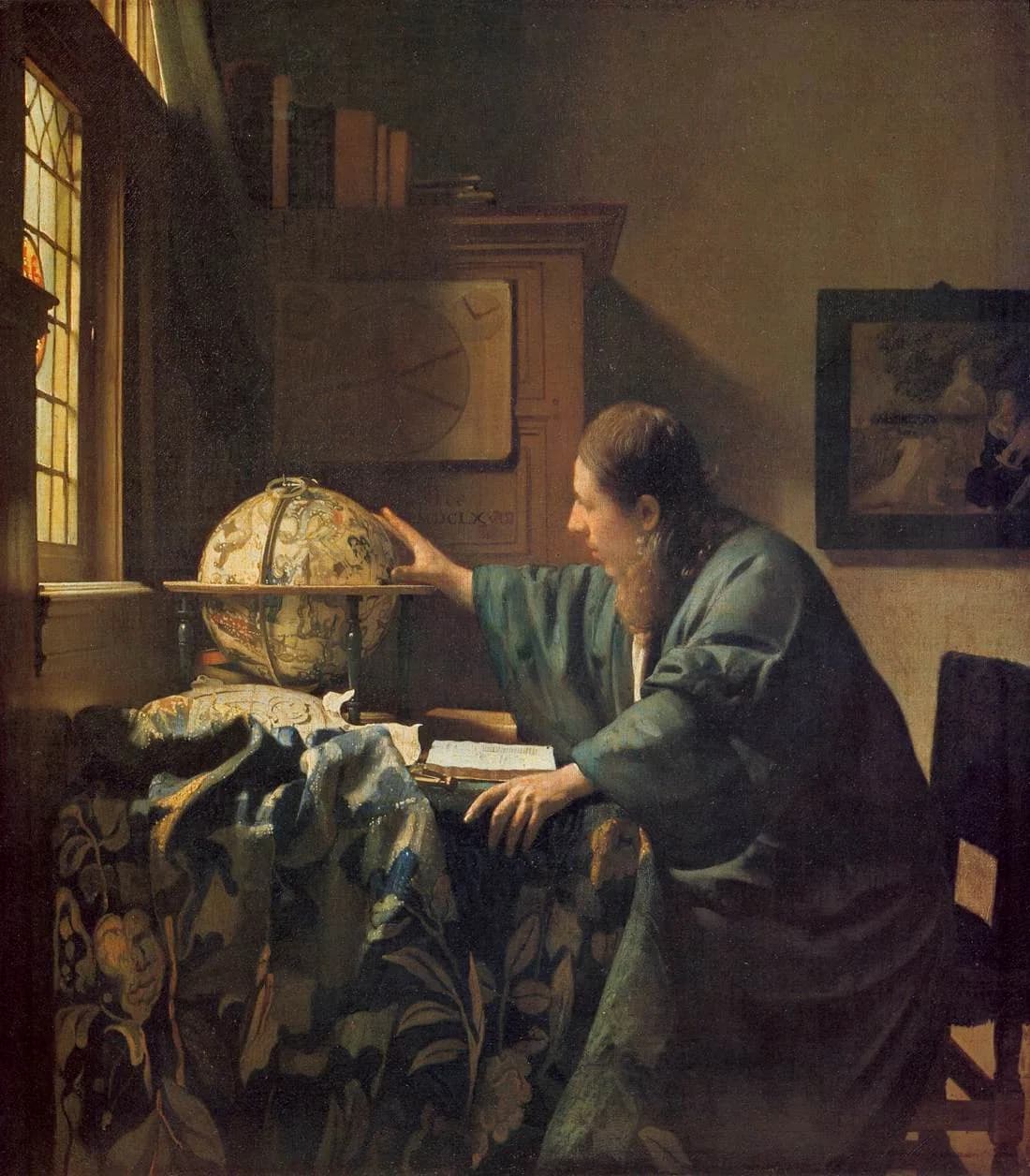
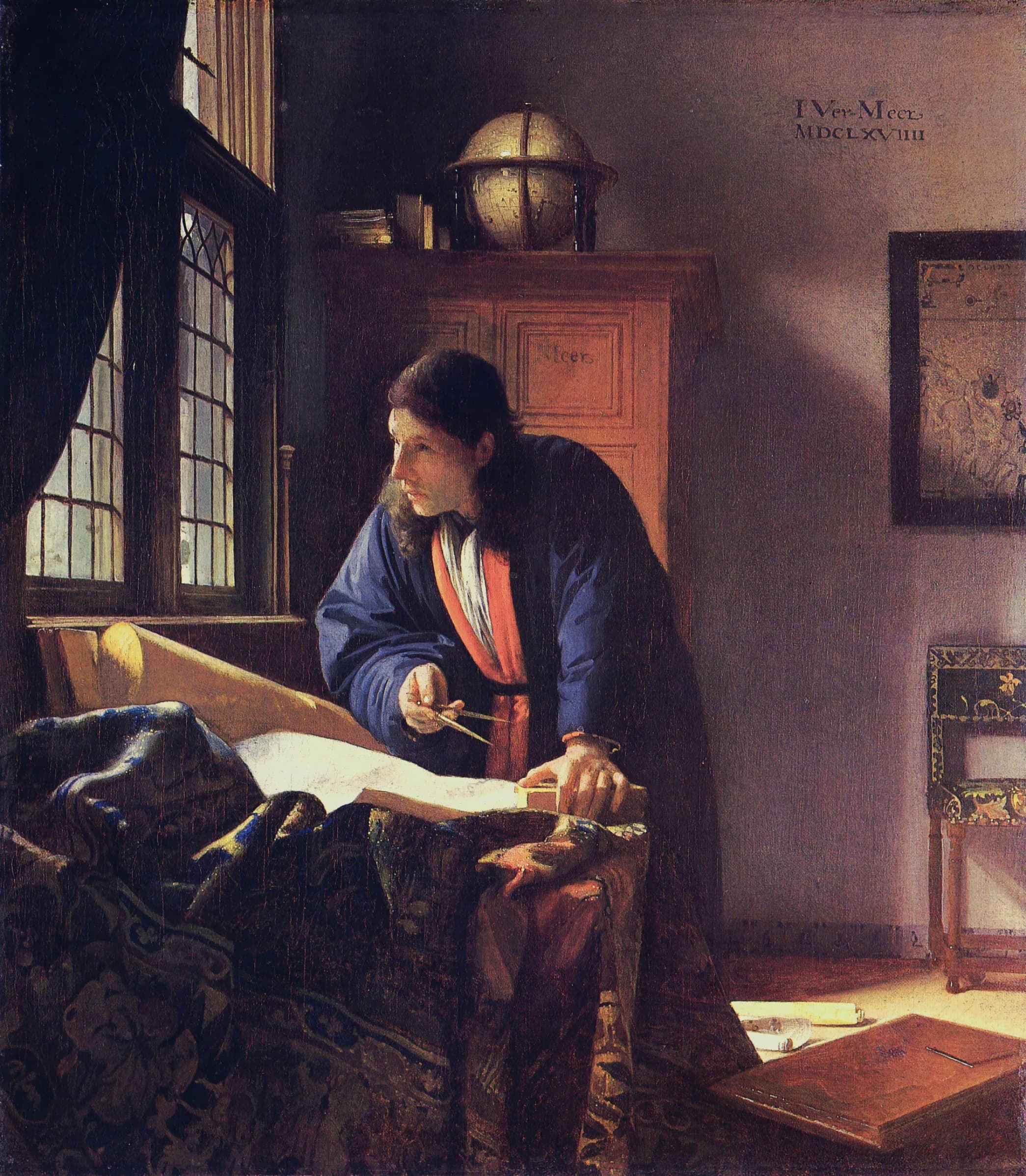
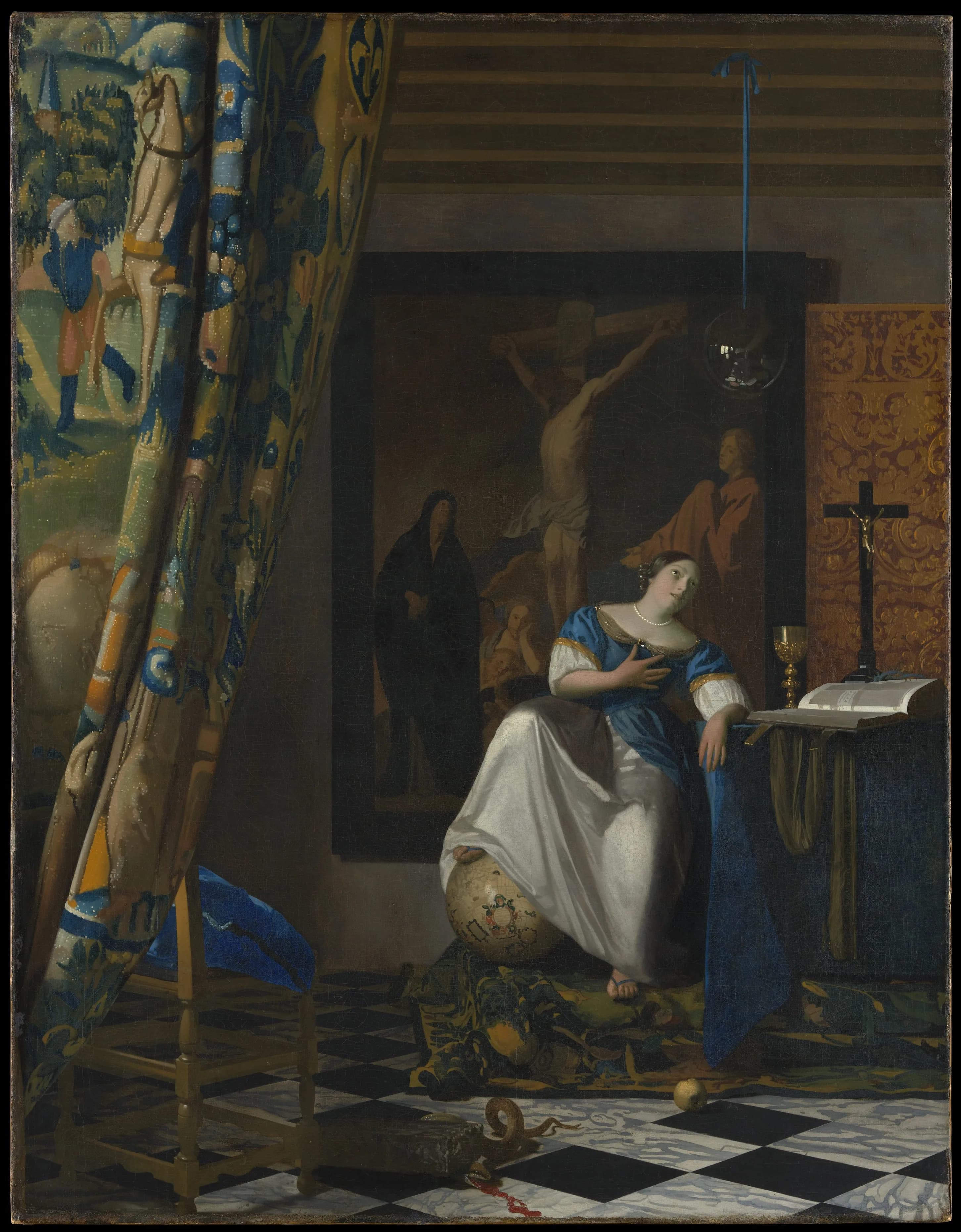
Rembrandt formed the centrepiece, with twenty of his paintings on display spanning the full arc of his career, from the earliest known work (loaned by Museum De Lakenhal, Leiden) to a late self-portrait from the Uffizi. Surrounding the Rembrandt core were works by Hals, Steen, Ruisdael, de Hooch, and dozens of their contemporaries, arranged to illuminate the social, intellectual, and mercantile world of the Dutch Republic. Among the thematic highlights were two paintings by Vermeer depicting men of learning: The Astronomer (Musée du Louvre, Paris) andThe Geographer (Städel Museum, Frankfurt), shown together as a pair that epitomises Vermeer’s engagement with the scientific curiosity of his age. Allegory of Faith (The Metropolitan Museum of Art, New York) rounded out the Vermeer presence, offering a counterpoint in its overtly Catholic symbolism.
The exhibition drew 235,000 visitors before closing on 15 February 2015, making it one of the most visited shows in the museum’s history. It was also the last major exhibition before the Szépművészeti Múzeum closed for an extensive refurbishment and reorganisation that began in spring 2015. A scholarly catalogue was published in December 2014, edited by Ildikó Ember and Axel Vécsey with contributions by Júlia Tátrai.
- Dates
- 31 Oct 2014 – 15 Feb 2015