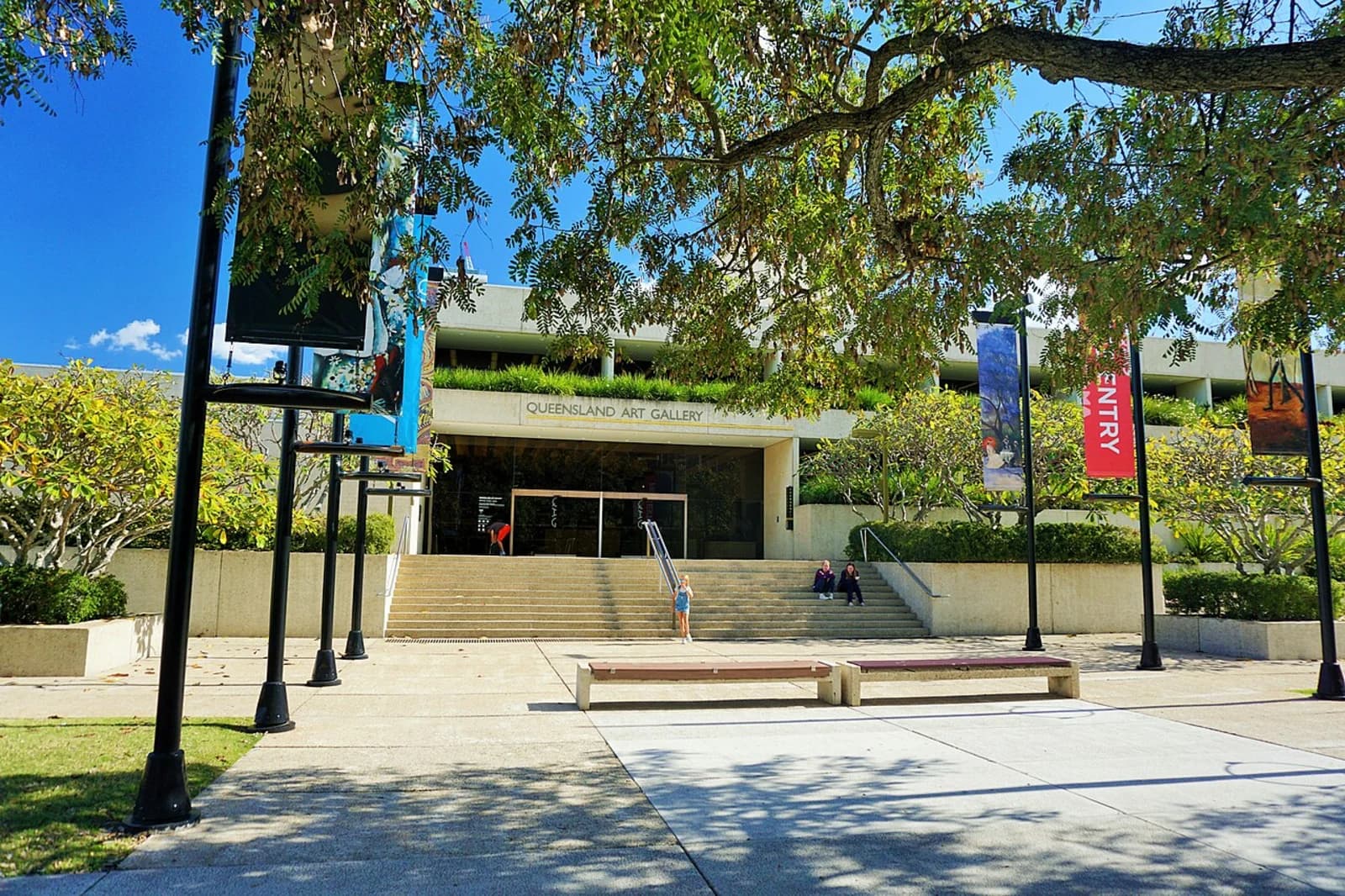
European Masterpieces from The Metropolitan Museum of Art, New York
“European Masterpieces from The Metropolitan Museum of Art, New York” brought 65 paintings spanning five centuries to Brisbane’s Gallery of Modern Art, the exhibition’s sole international venue. The loans were made possible by a major renovation of the Met’s European painting galleries in New York, during which the skylights were replaced, releasing works from permanent display that rarely, if ever, travel. The show was organised by the Metropolitan Museum of Art in collaboration with the Queensland Art Gallery | Gallery of Modern Art (QAGOMA) and Art Exhibitions Australia, with Queensland Government blockbuster funding of four million dollars underwriting the presentation.
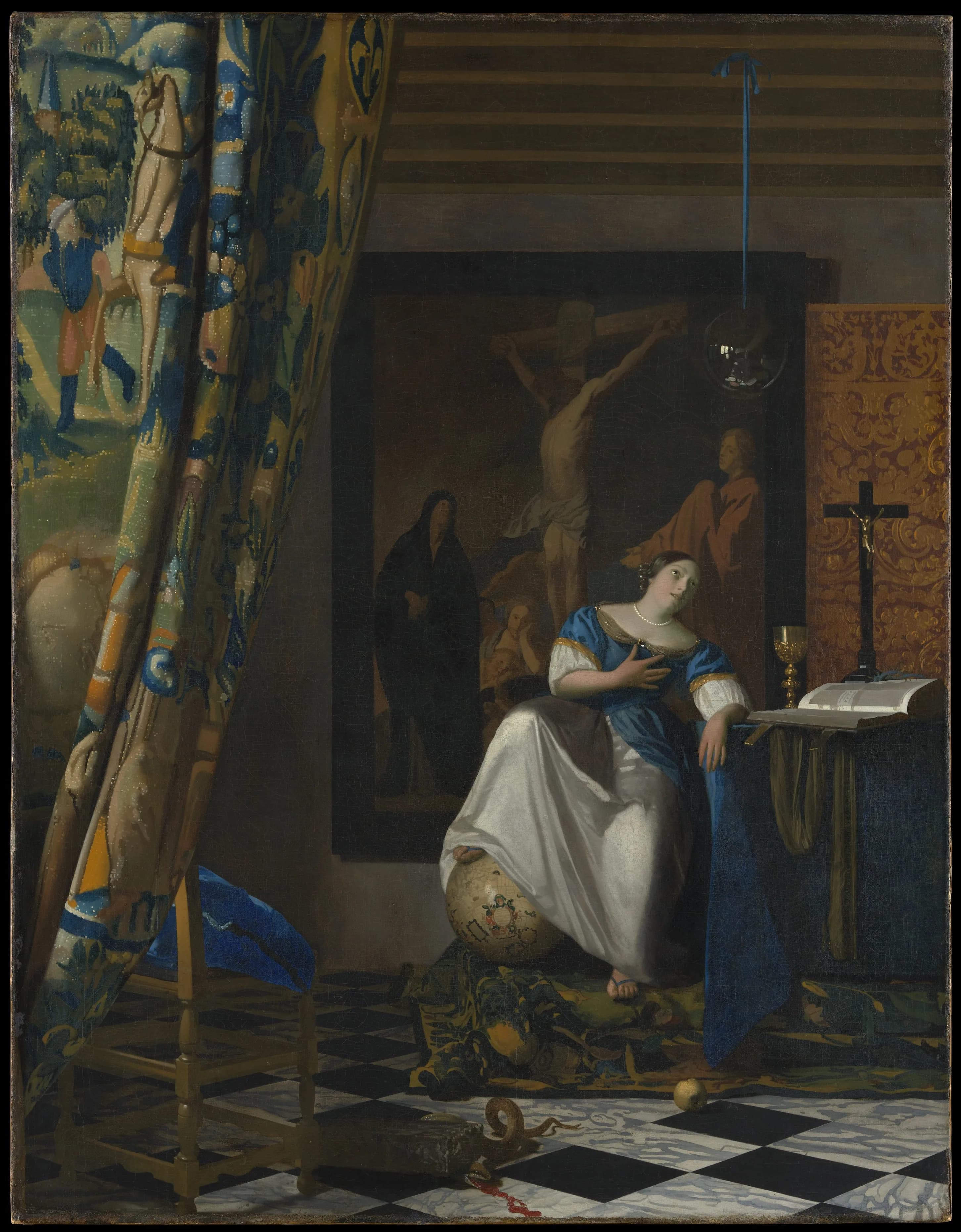
The 65 works were arranged across three thematic chapters occupying GOMA’s entire ground floor. “Devotion and Renaissance” opened with fifteenth- and sixteenth-century Italian panels and altarpieces, including Fra Angelico’s The Crucifixion (c. 1420). “Absolutism and Enlightenment” moved through the Baroque and neoclassical periods, gathering Caravaggio’s The Musicians (1597), Rembrandt’s Flora (c. 1654), and Vermeer’s Allegory of the Catholic Faith (c. 1670–72). “Revolution and Art” concluded the sequence with nineteenth- and early twentieth-century works, ending at one of Monet’s late Water Lilies (1919). QAGOMA curator Geraldine Kirrihi Barlow noted that the selection favoured paintings that would repay close individual attention rather than the museum’s most headline-familiar names, giving works such as Nicolas Poussin’s Saints Peter and John Healing the Lame Man (c. 1655) and Georges de La Tour’s The Fortune Teller (c. 1630s) space to register on their own terms.
Vermeer’s Allegory of the Catholic Faith, painted around 1670–72, was one of the most symbolically dense and infrequently lent works in the display. Packed with Counter-Reformation imagery, including a glass globe suspended from the ceiling, a crushed serpent underfoot, and a woman in white pressing her hand to her breast, the canvas translates Cesare Ripa’s Iconologia (1593) into paint with unusual fidelity. The exhibition was accompanied by a major publication and by an interactive “Studio” space offering live music, figure-drawing sessions, and animated digital interpretations of the works on view.
- Dates
- 12 Jun 2021 – 17 Oct 2021

Paintings1
Sources
- QAGOMA — European Masterpieces from The Metropolitan Museum of Art, New York (exhibition page)
- QAGOMA Media Release — European Masterpieces from The Met Opens at GOMA (11 June 2021)
- QAGOMA Stories — A journey through five centuries of European Masterpieces
- The Conversation — European Masterpieces from the Met demonstrates art’s power to speak to the human condition (2021)
- Queensland Ministerial Media Statements — European Masterpieces a blockbuster exhibition