Reunion with the Masters
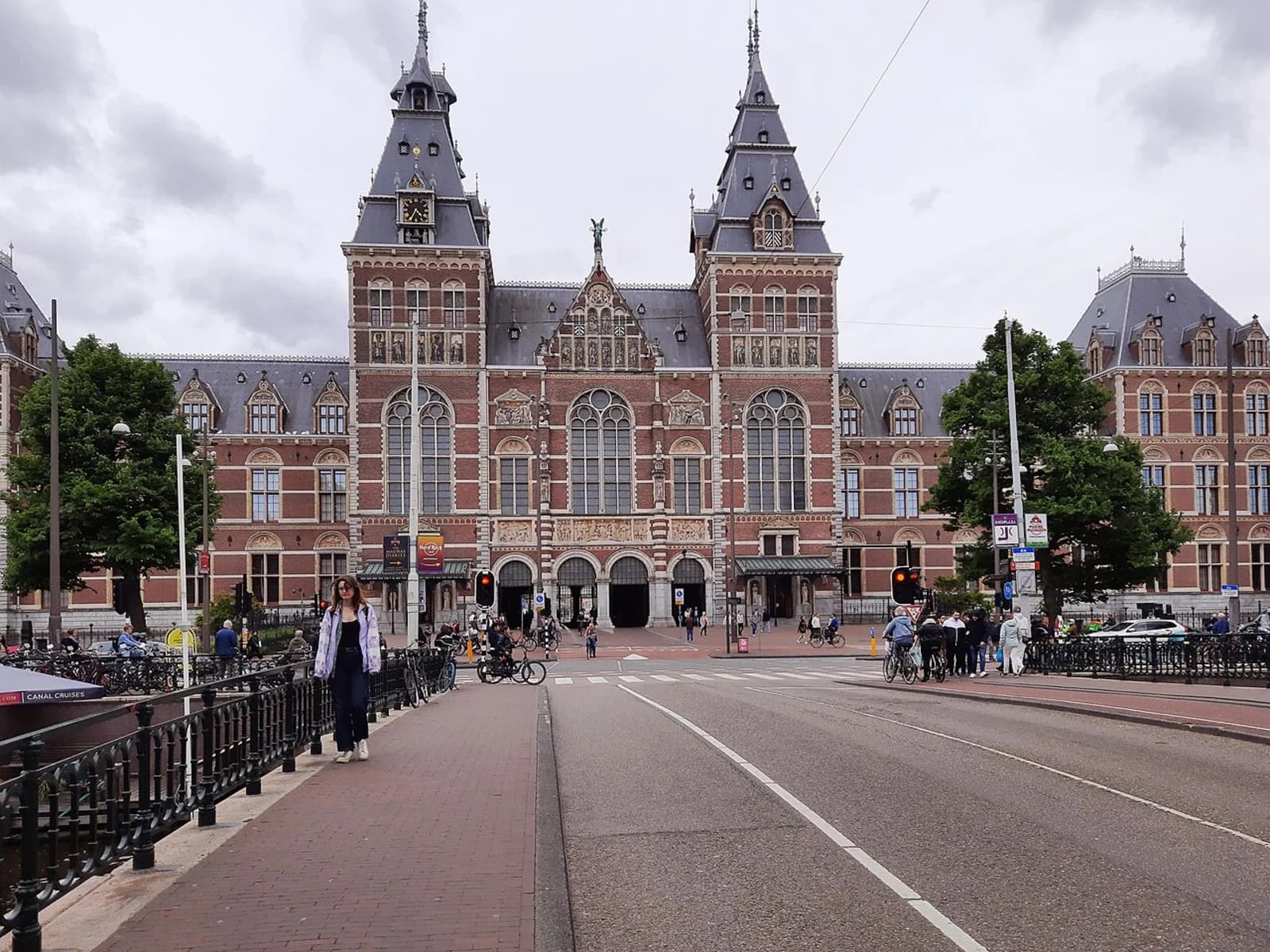
When the Rijksmuseum reopened on 15 July 1945, chosen deliberately as Rembrandt's 339th birthday, it mounted what became one of the most emotionally charged exhibitions in Dutch museum history. For five years of German occupation the building had stood largely closed while its collections were dispersed to a network of wartime hiding places: a purpose-built art bunker in the dunes near Castricum, and later a vault hewn 35 metres underground into the Sint-Pietersberg near Maastricht. The title “Weerzien der meesters” (“Reunion with the Masters”) named the moment precisely: 175 paintings, rolled, crated, and trucked across the liberated country, were back on the walls of their home.
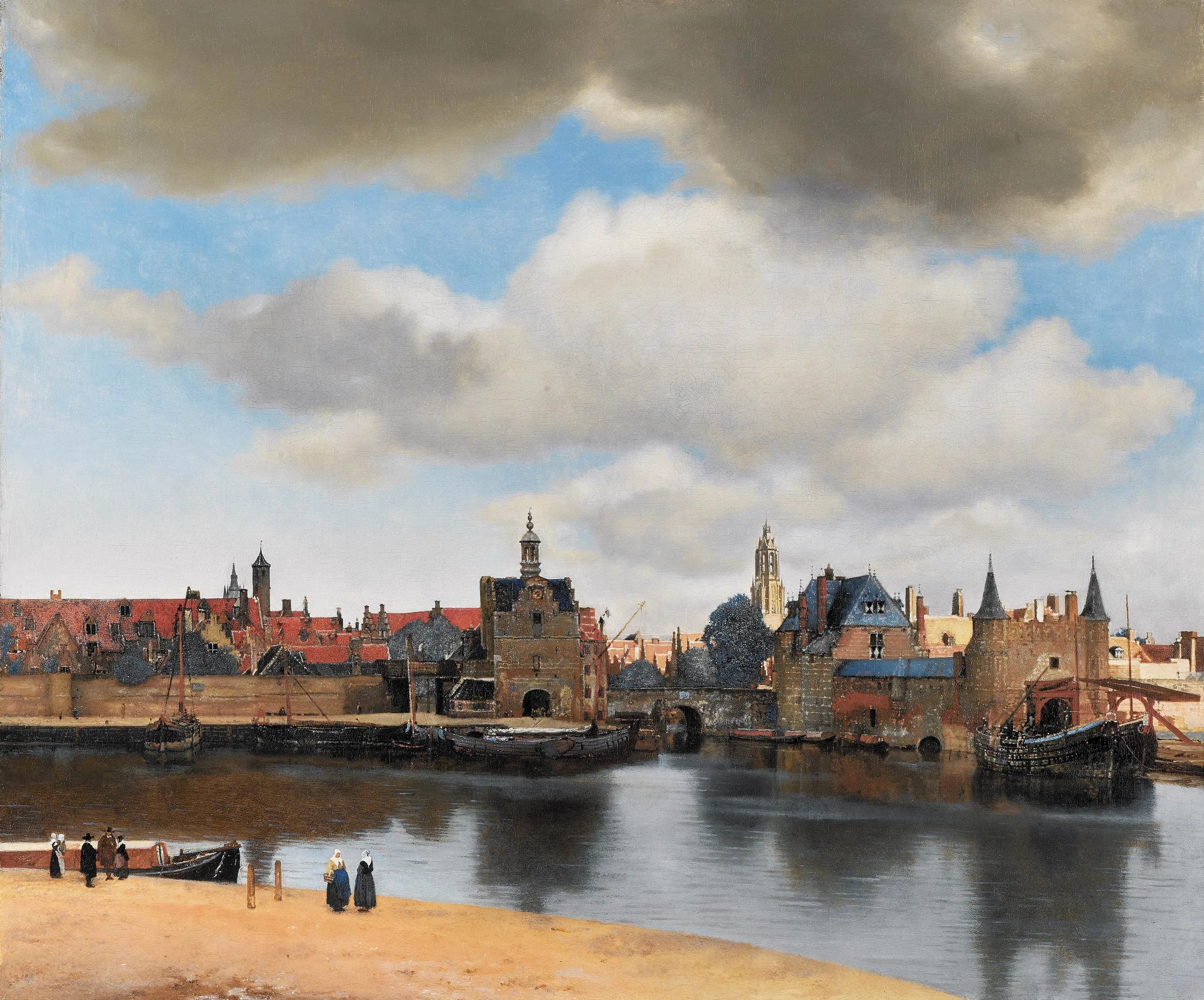
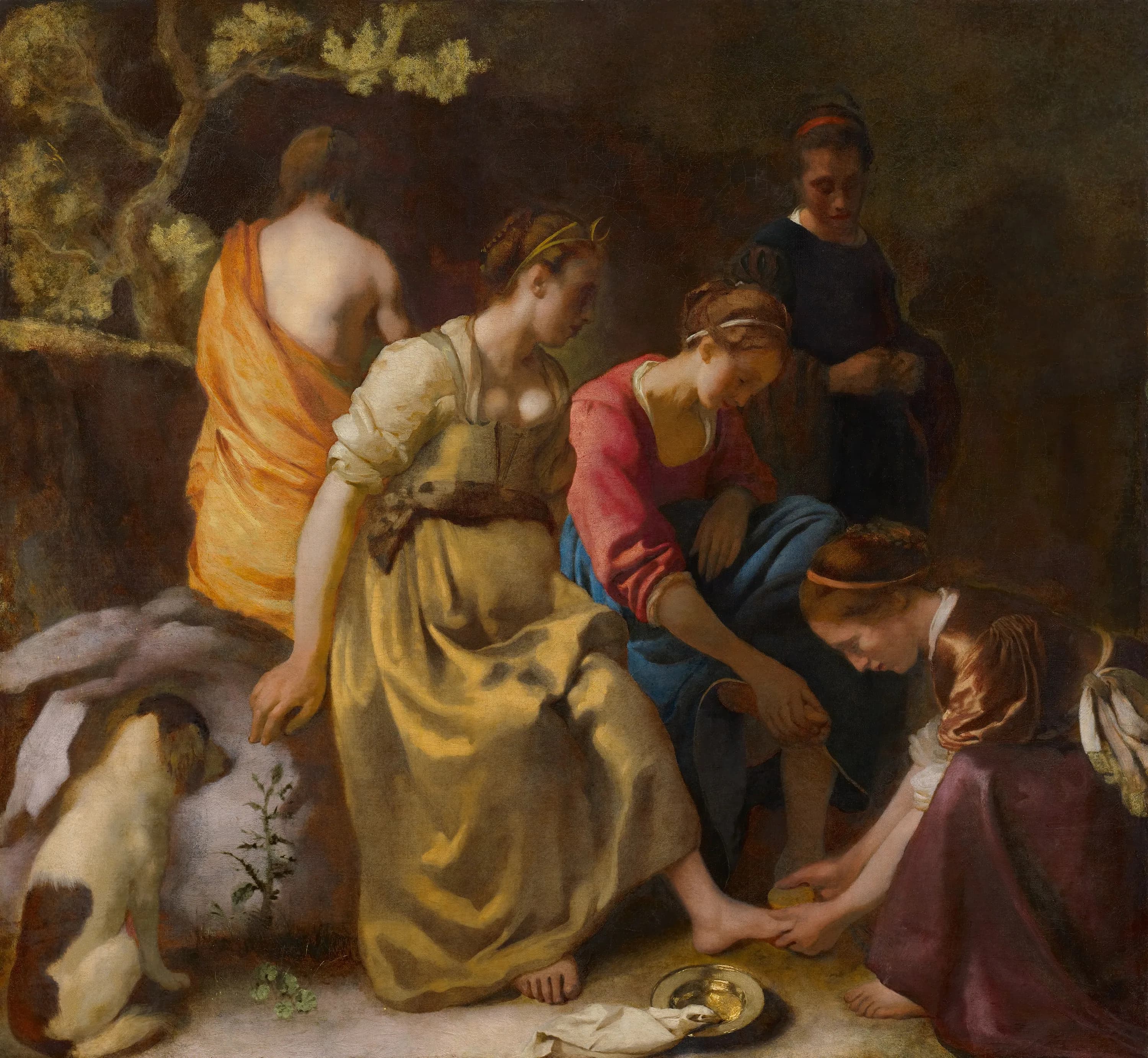
The exhibition drew works from museums across the Netherlands, not only the Rijksmuseum's own holdings. From the Mauritshuis in The Hague came Vermeer's “View of Delft” (catalogue no. 132) and “Diana and Her Companions“ (no. 133), both acquired by the Mauritshuis in the nineteenth century and kept there ever since. Seeing them together in Amsterdam in the summer of 1945 would have carried particular weight: the serene panorama of Delft and the quiet mythological scene, undamaged, returned from their wartime shelter, embodied the survival of Dutch cultural life through the occupation.
In a country still without reliable food or fuel, 165,000 people visited “Weerzien der meesters” during its ten-week run. Many came on empty stomachs. The queues were a measure not just of popular appetite for art but of the symbolic weight the Dutch placed on the homecoming of their national heritage: the masterpieces that had been hidden, not lost, and were now unmistakably present again.
- Dates
- 15 Jul 1945 – 30 Sept 1945
- Museum
 Rijksmuseum