Dutch Art of the 15th and 16th Centuries
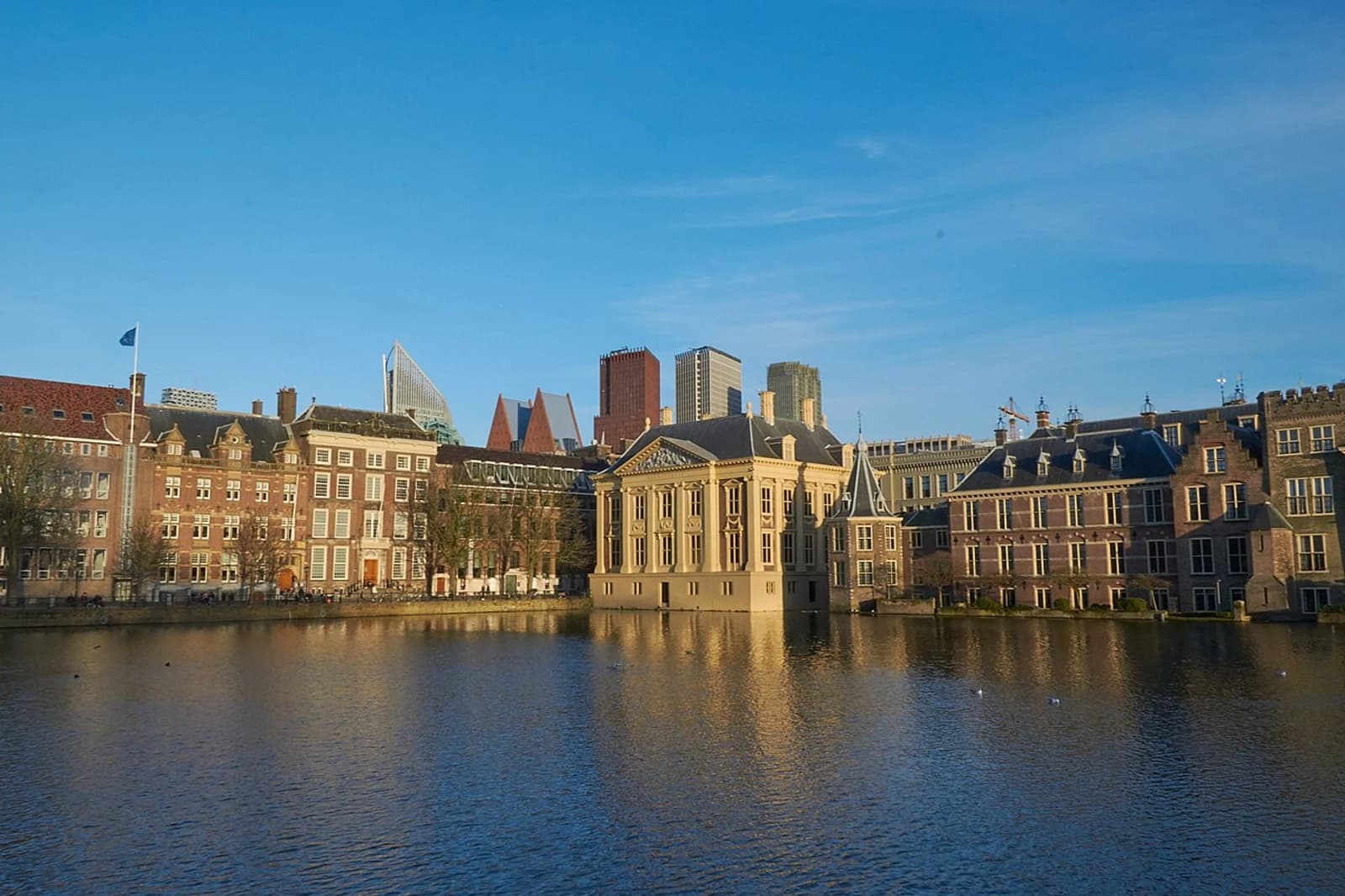
This exhibition at the Koninklijk Kabinet van Schilderijen (Royal Picture Cabinet) at the Mauritshuis, running from 1 September to 21 October 1945, was the first freely curated exhibition the museum was able to mount after five years of German occupation. The Netherlands had been liberated in May 1945, and the reopening of the Mauritshuis with a show drawn from its own collection represented a significant moment in the cultural recovery of The Hague. The 81-page catalogue documented works spanning Dutch art of the fifteenth and sixteenth centuries, though the permanent collection holdings on display extended into the seventeenth century as well.
During the occupation, director Wilhelm Martin had worked to protect the museum’s holdings from both damage and confiscation. The most important paintings were moved into a bombproof storage bunker beneath the building and later transported for safekeeping to the limestone caves of St. Pietersberg near Maastricht, where they remained until liberation. The gallery walls in The Hague were left largely bare, hung with empty frames. Martin navigated the competing pressures of the occupation with a combination of flexibility and resistance, allowing the Germans to stage propaganda exhibitions in the building while shielding the permanent collection from their direct control.
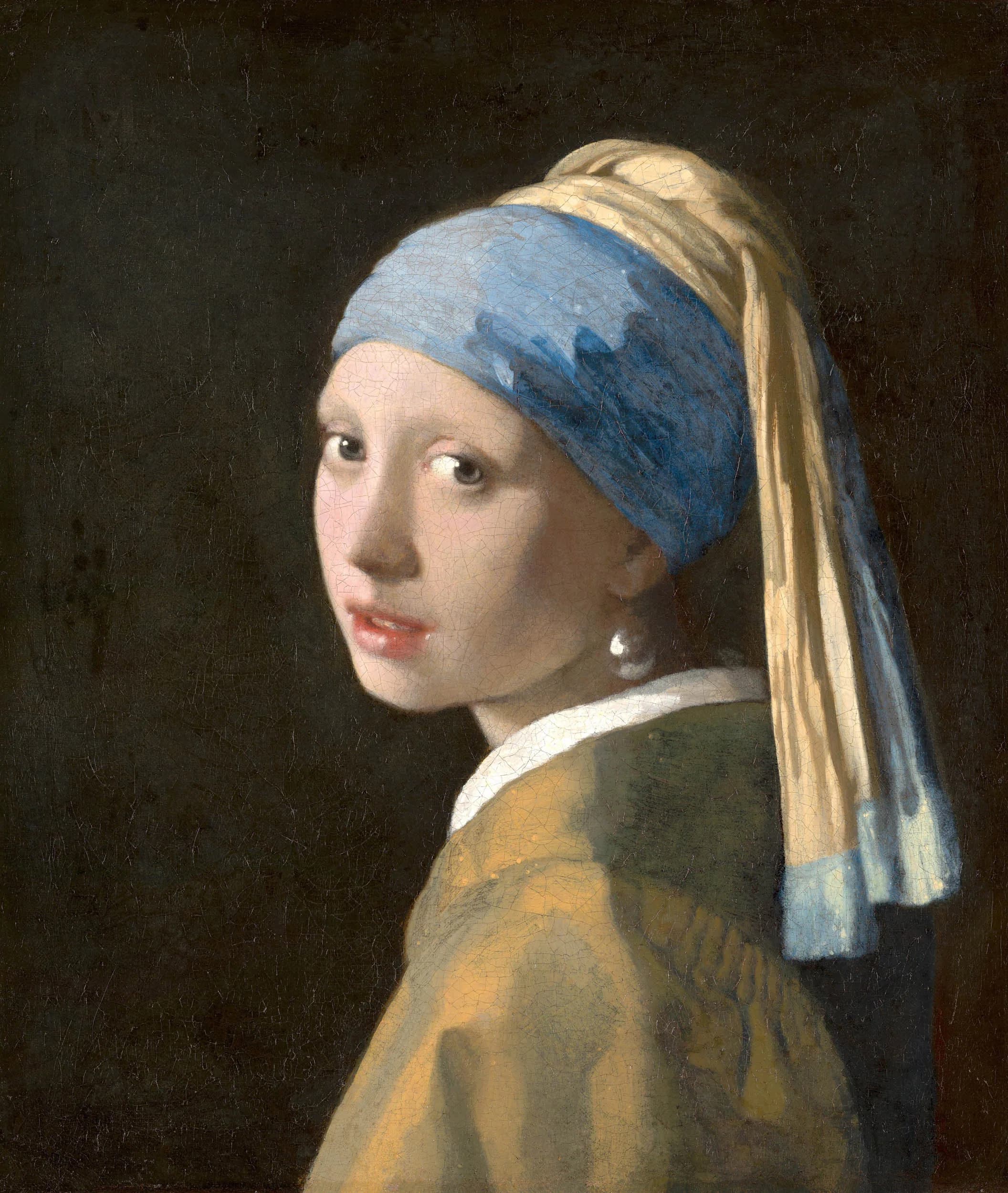
“Girl with a Pearl Earring,” which had been bequeathed to the Mauritshuis in 1903 and was already the museum’s most celebrated Vermeer, appeared in the exhibition catalogue as no. 134. Although Vermeer was a seventeenth-century painter and the exhibition’s title referred to the fifteenth and sixteenth centuries, works from the permanent collection extending beyond that period were included alongside the exhibition’s core focus. The painting’s appearance in September 1945 was among its first public showings in years, following its long wartime confinement.
- Dates
- 1 Sept 1945 – 21 Oct 1945
- Museum
 Mauritshuis