The Dutch Landscape in the Seventeenth Century
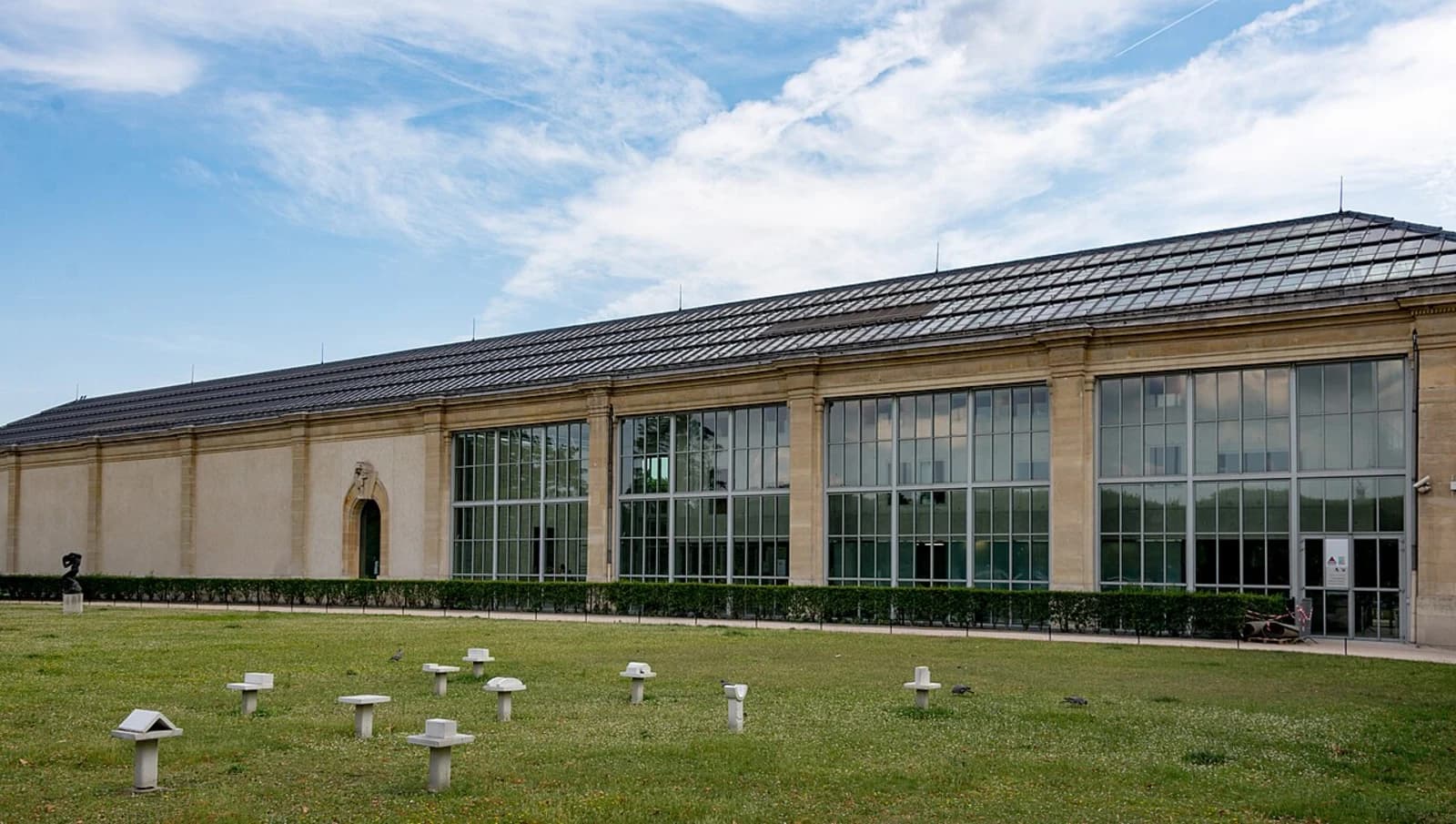
From November 1950 to February 1951, the Musée de l’Orangerie des Tuileries presented a comprehensive survey of Dutch seventeenth-century landscape painting. The catalogue, covering 171 works, was written by J. Bruyn, a conservator in the paintings department of the Rijksmuseum in Amsterdam, and L. C. J. Frerichs, a conservator in the Amsterdam print cabinet. The preface was contributed by A.-B. de Vries, director of the Mauritshuis in The Hague, whose institution was among the lenders. The scholarly catalogue was published by Les Presses Artistiques under the series title Art et Style (no. 17).
The exhibition ranged across the major traditions of Dutch landscape: Italianate views, river and canal scenes, forest interiors, winter skyscapes, and the flat polderland that defined the genre. Key figures represented included Rembrandt, Jacob van Ruisdael, Hercules Seghers, and the painters who shaped how the Dutch Golden Age understood its own countryside. Vermeer appeared in the show not as a genre or interior painter but as a landscape artist, represented by two urban views of Delft. The catalogue preface explicitly noted his presence alongside the canonical landscapists.
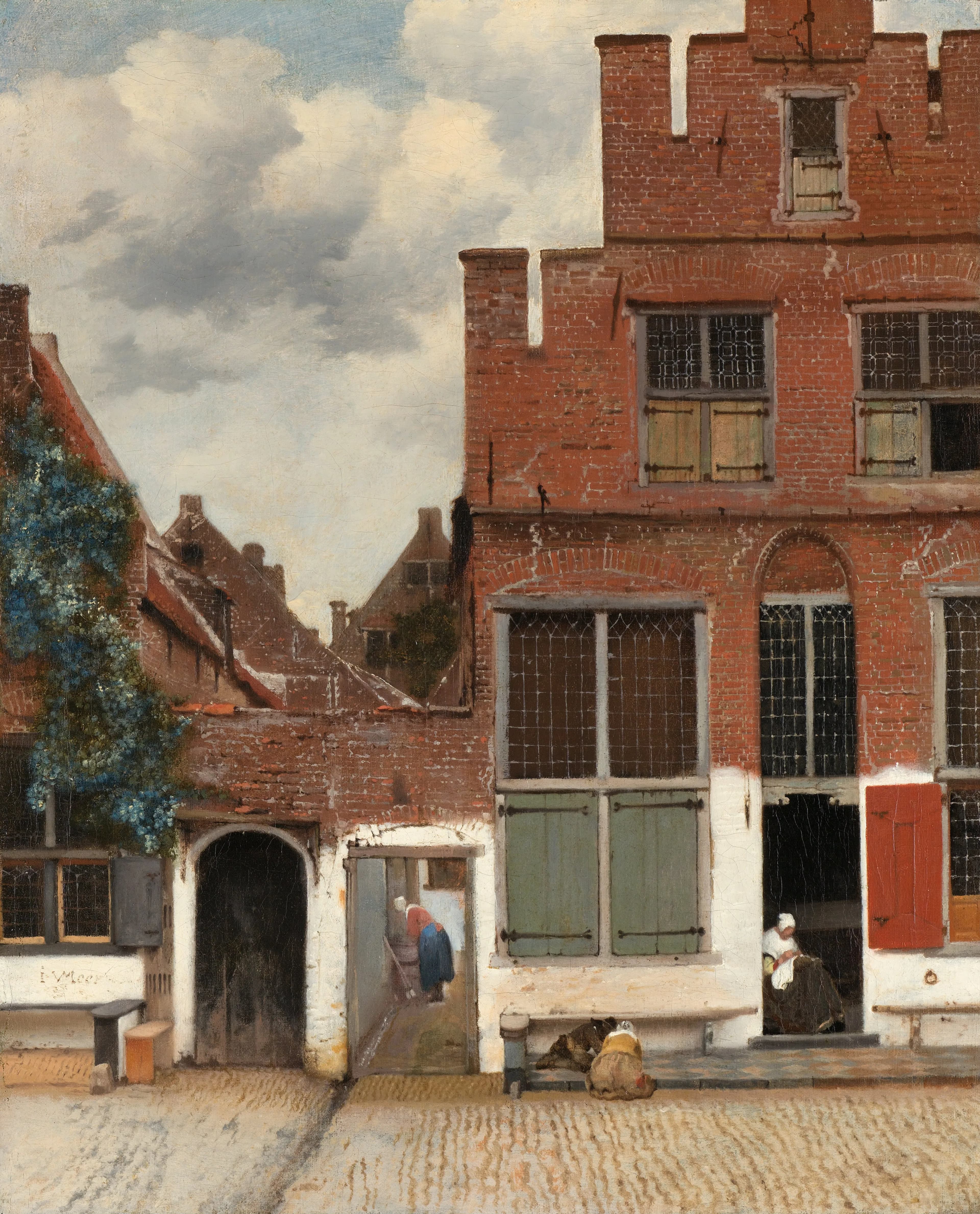
Vermeer’s The Little Street (c. 1657-61), on loan from the Rijksmuseum, was catalogued as number 98. The painting, one of only two surviving outdoor views by Vermeer, depicts a narrow Delft street facade with housewives at work and children at play in a doorway. Its inclusion in a landscape exhibition acknowledged the boundary between townscape and landscape that Vermeer’s view inhabits: the scene is intimate and architectural rather than panoramic, yet it belongs to the same impulse toward observed Dutch light and ordinary life that defines the tradition the exhibition surveyed.
- Dates
- 25 Nov 1950 – 18 Feb 1951
- Museum
 Musée de l'Orangerie