Art treasures from the Vienna collections
In the years after World War II, the Austrian government organised a major touring exhibition as a gesture of thanks to the American people for the role US forces had played in recovering artworks hidden by the Nazis. Titled Art Treasures from the Vienna Collections, Lent by the Austrian Government, the show assembled 279 objects, nearly all from the Kunsthistorisches Museum in Vienna, including 128 paintings by Titian, Velázquez, Rembrandt, Rubens, Tintoretto, and Vermeer, alongside Renaissance bronzes, the famous Cellini gold salt cellar, rock crystal vessels, arms and armour, and tapestries. The show had already toured London, Paris, Zurich, Brussels, Amsterdam, Stockholm, and Copenhagen before crossing the Atlantic. Its American itinerary ran from the National Gallery of Art in Washington (November 1949 to January 1950) to the Metropolitan Museum of Art in New York (February to May 1950), then to the M. H. de Young Memorial Museum in San Francisco and the Art Institute of Chicago.
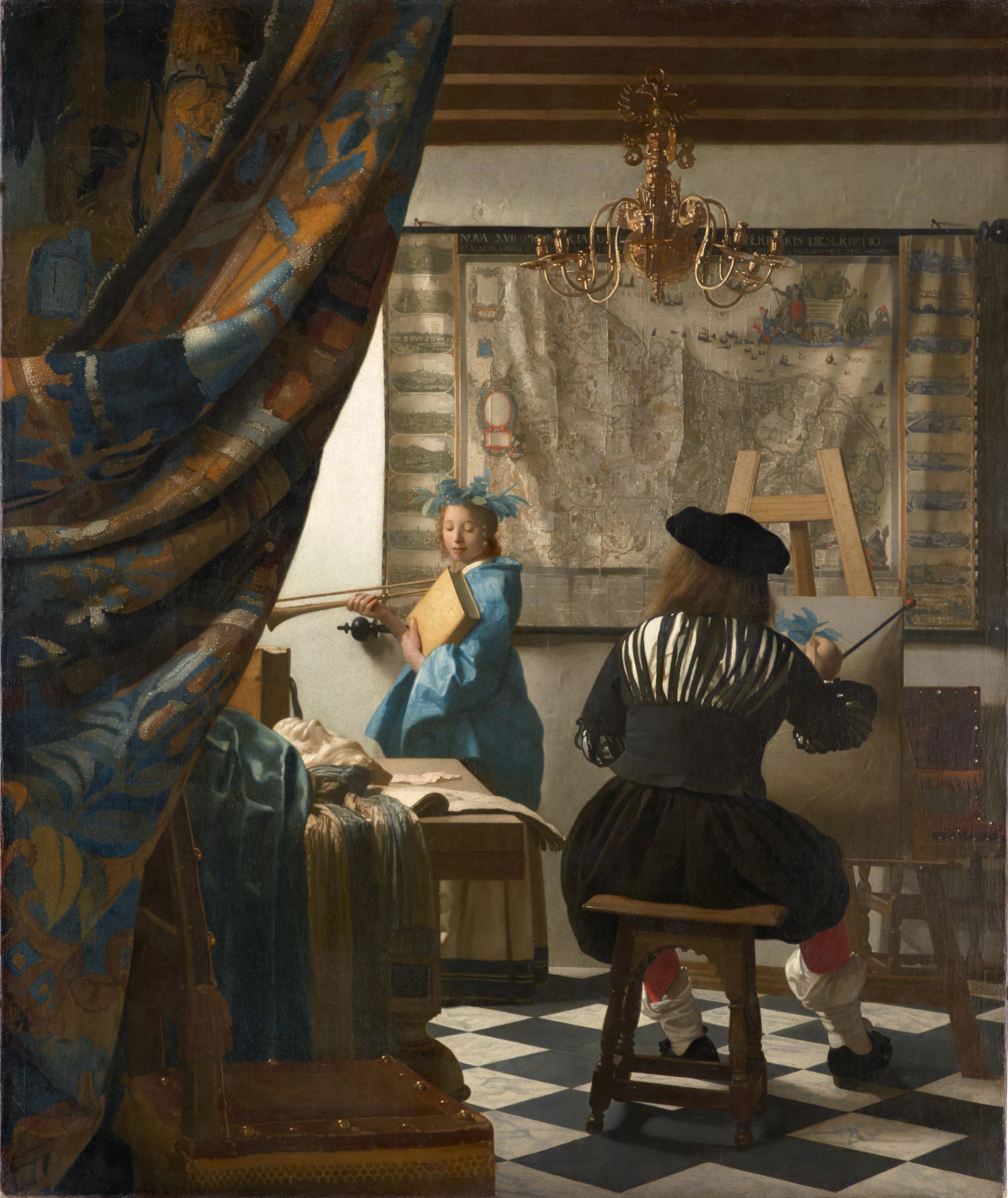
The centrepiece of the exhibition was the Vermeer painting The Art of Painting (c. 1666-68), catalogued as entry no. 124 under the title The Artist in His Studio. Its presence in American museums carried particular historical weight: in 1940 Adolf Hitler had purchased it from the Czernin family for his planned Führermuseum in Linz, and by 1944 it had been transferred to the vast salt mines at Altaussee in the Austrian Alps, where the Nazis stored thousands of looted and acquired works to protect them from Allied bombing. American forces, together with the Monuments, Fine Arts, and Archives program, secured the mines in May 1945 and oversaw the return of the works to Austrian custody. The painting was conveyed to Vienna by Andrew Ritchie of the MFA&A and held under provisional state ownership until it was formally incorporated into the permanent collection of the Kunsthistorisches Museum in 1958.
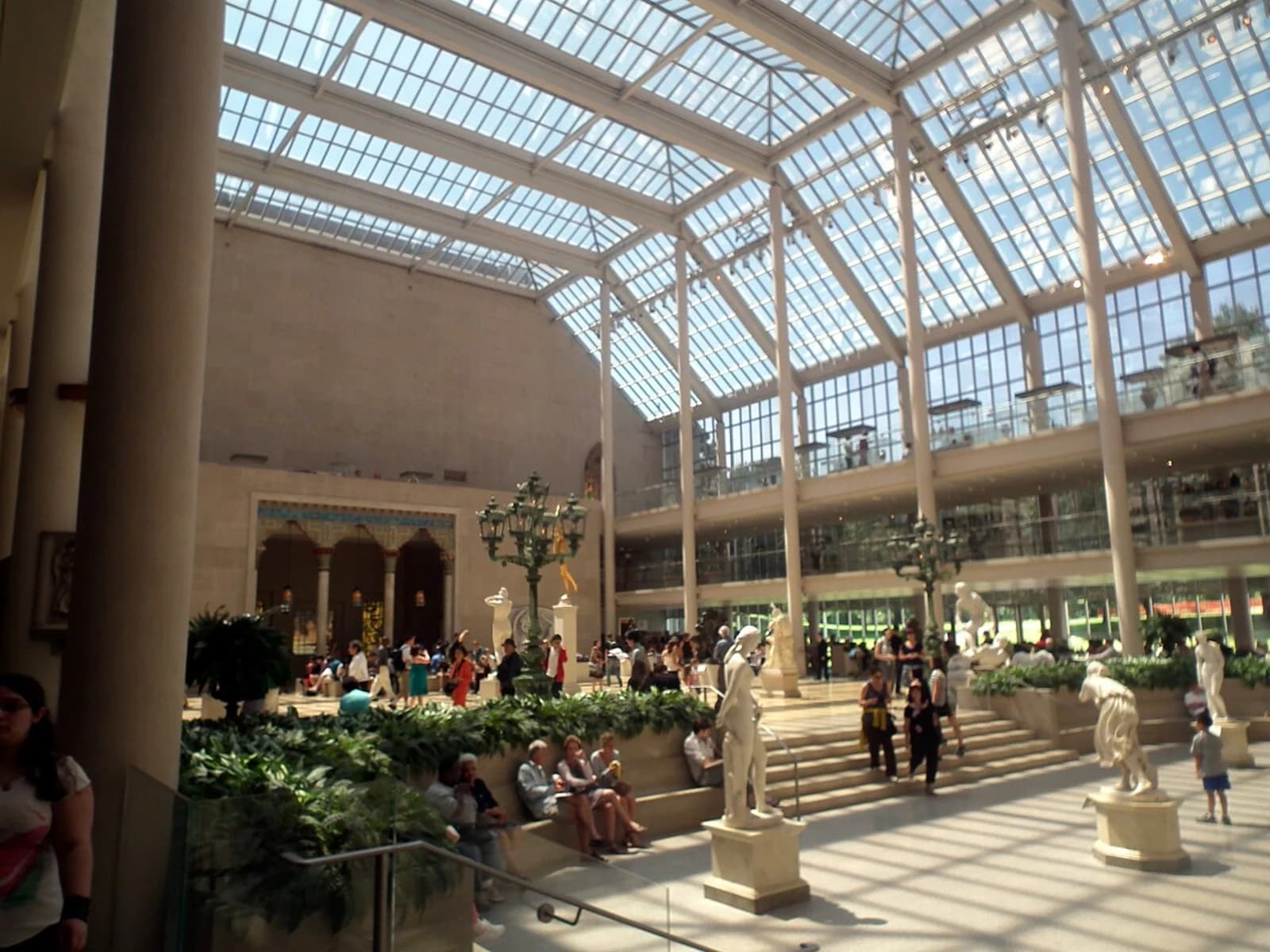
The 1950 New York showing gave American audiences their first sustained encounter with the largest and most ambitious painting Vermeer ever completed. At the Met, as at each American venue, the Habsburg imperial collections were presented as a symbol of shared cultural heritage and of the postwar recovery of European civilisation. The New York run closed in May 1950, after which the works were returned to Vienna. The Art of Painting has not left Austria since.
- Dates
- 23 Feb 1950 – 21 May 1950