Dutch Painting from Hieronymus Bosch to Rembrandt
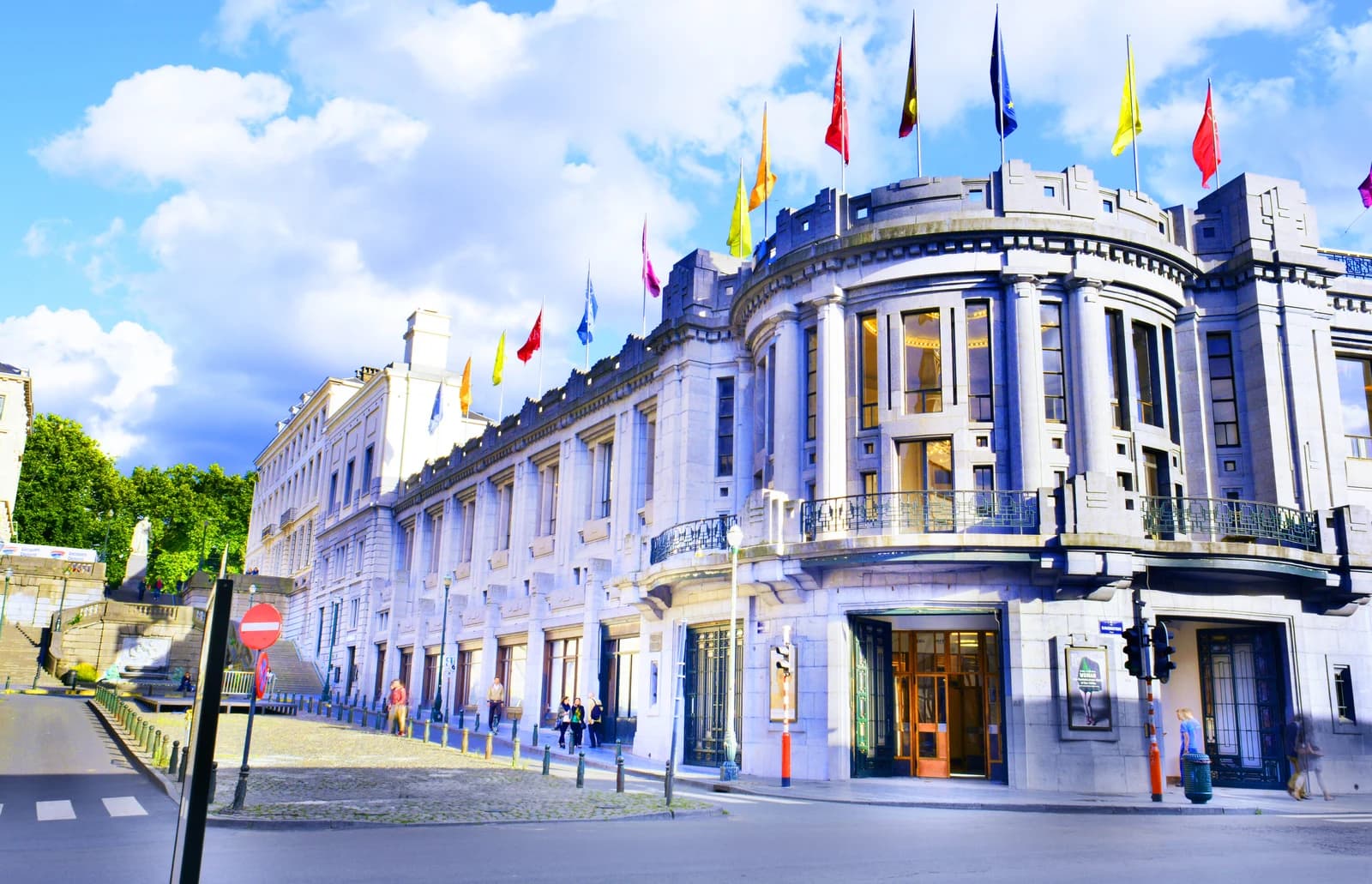
In the immediate aftermath of the Second World War, the Dutch government organised a touring exhibition of masterworks from Dutch public collections as an act of cultural goodwill towards its Belgian neighbours. The Brussels leg opened at the Paleis voor Schone Kunsten on 2 March 1946 and ran until 28 April. The title swept across three centuries of achievement, from the visionary fantasy of Hieronymus Bosch to the towering legacy of Rembrandt, and the loans drew on collections that had only recently been returned from wartime hiding: during the German occupation, the major Dutch museums had moved their most vulnerable pictures underground, and The Little Street had sat in secure storage for much of the war.
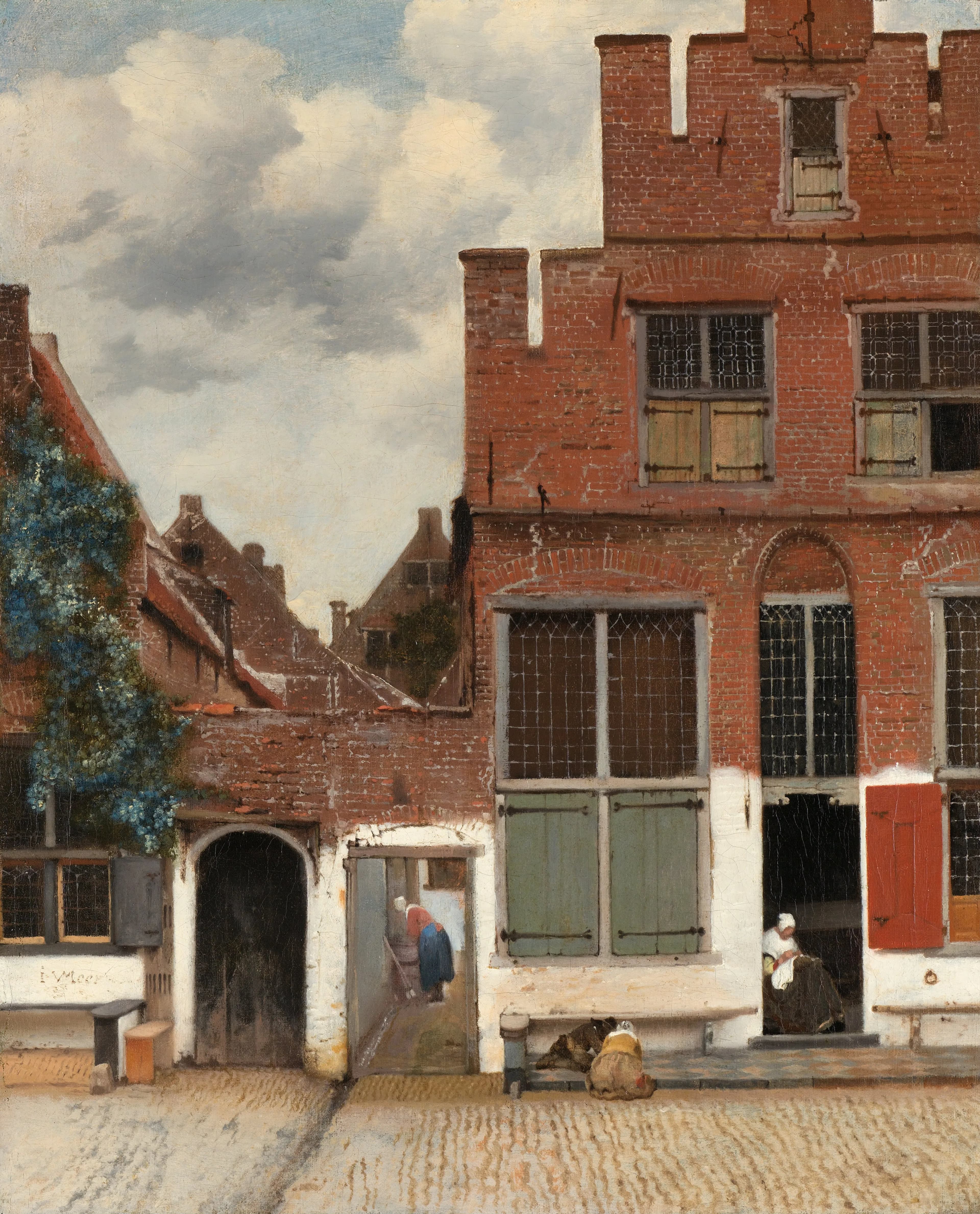
Vermeer’s view of a Delft backstreet, on loan from the Rijksmuseum, was included in the Brussels showing. No catalogue number for it has been documented in the surviving record, but its inclusion in the exhibition makes Brussels one of the painting’s first postwar public appearances, a return to view after years in underground storage. Rijksmuseum holdings had been evacuated to vaults and storerooms across the Netherlands from 1939 onwards, and the painting would not have been back on public display in Amsterdam for long before travelling south to Brussels.
After its Brussels run, the exhibition transferred to the Koninklijk Museum voor Schone Kunsten in Antwerp, where it is documented to have continued into 1946. The two venues did not show exactly the same Vermeers: the Antwerp presentation included the Mauritshuis’s portrait known at the time as “Woman with a Pearl Earring” (catalogue no. 91), rather than The Little Street, suggesting the loans were partially rotated between stops.
- Dates
- 2 Mar 1946 – 28 Apr 1946