Catalogue of the Collection of Paintings and Family Portraits of the Gentlemen Jhr. P. H. Six van Vromade, Jhr. J. Six and Jhr. W. Six
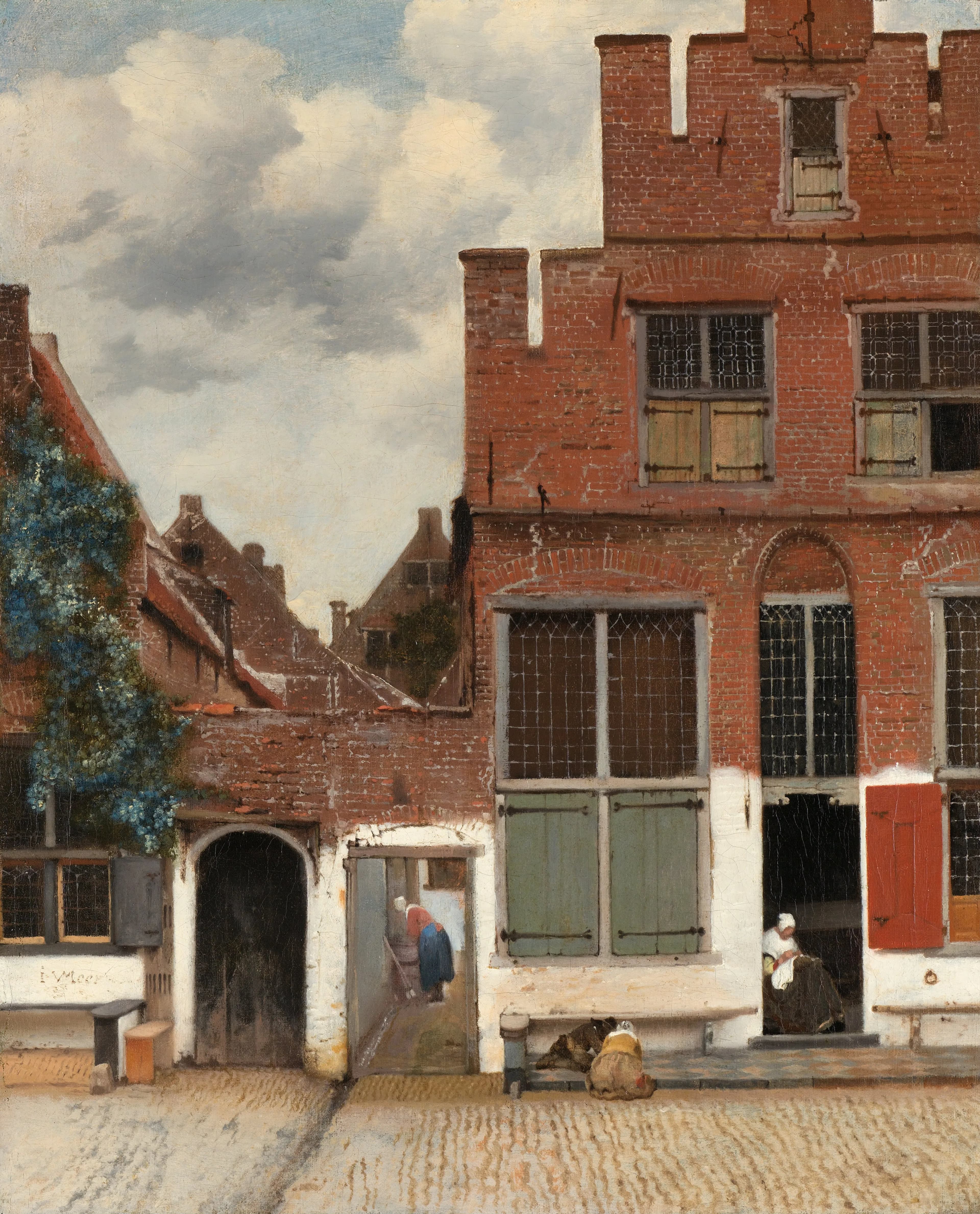
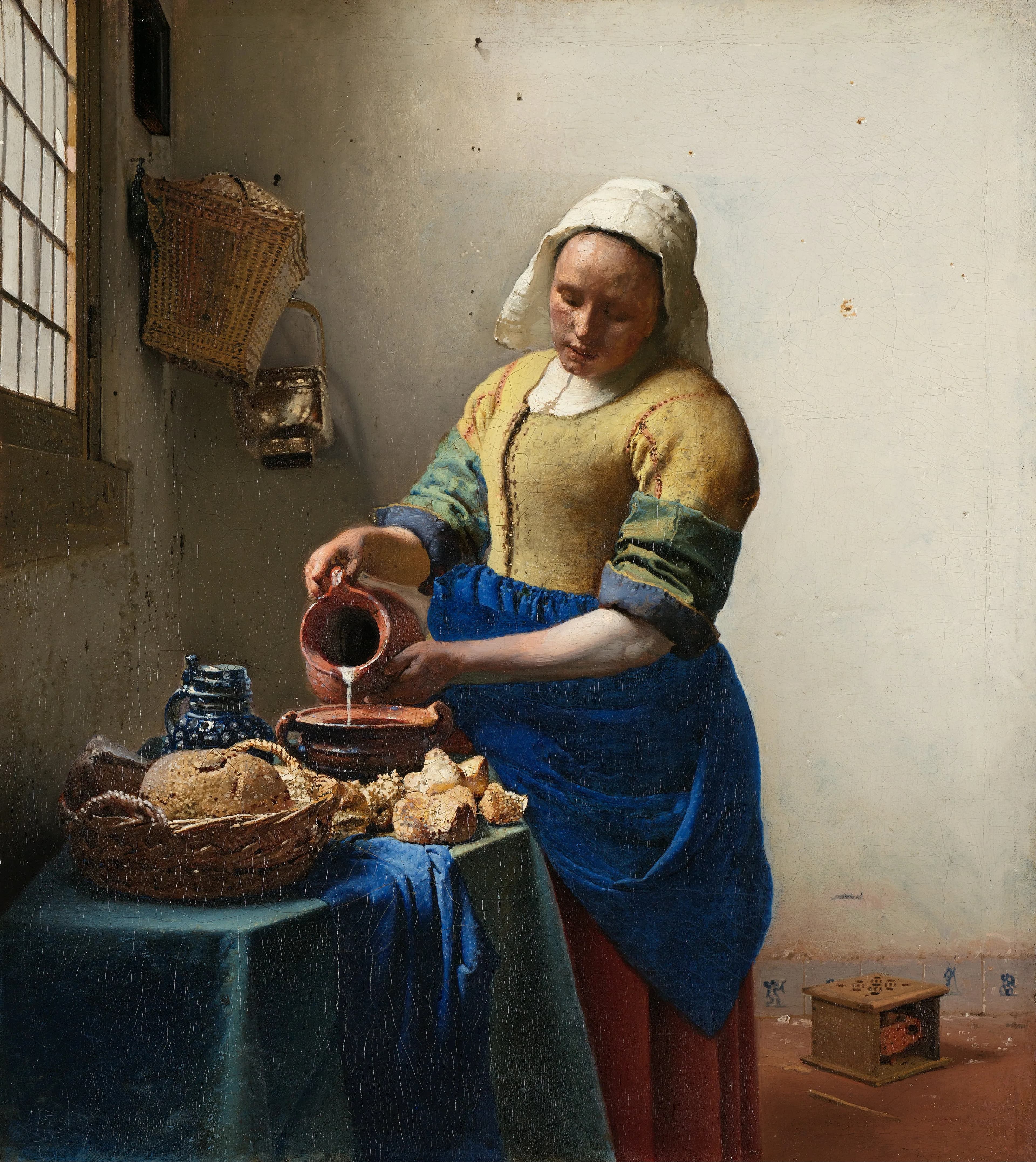
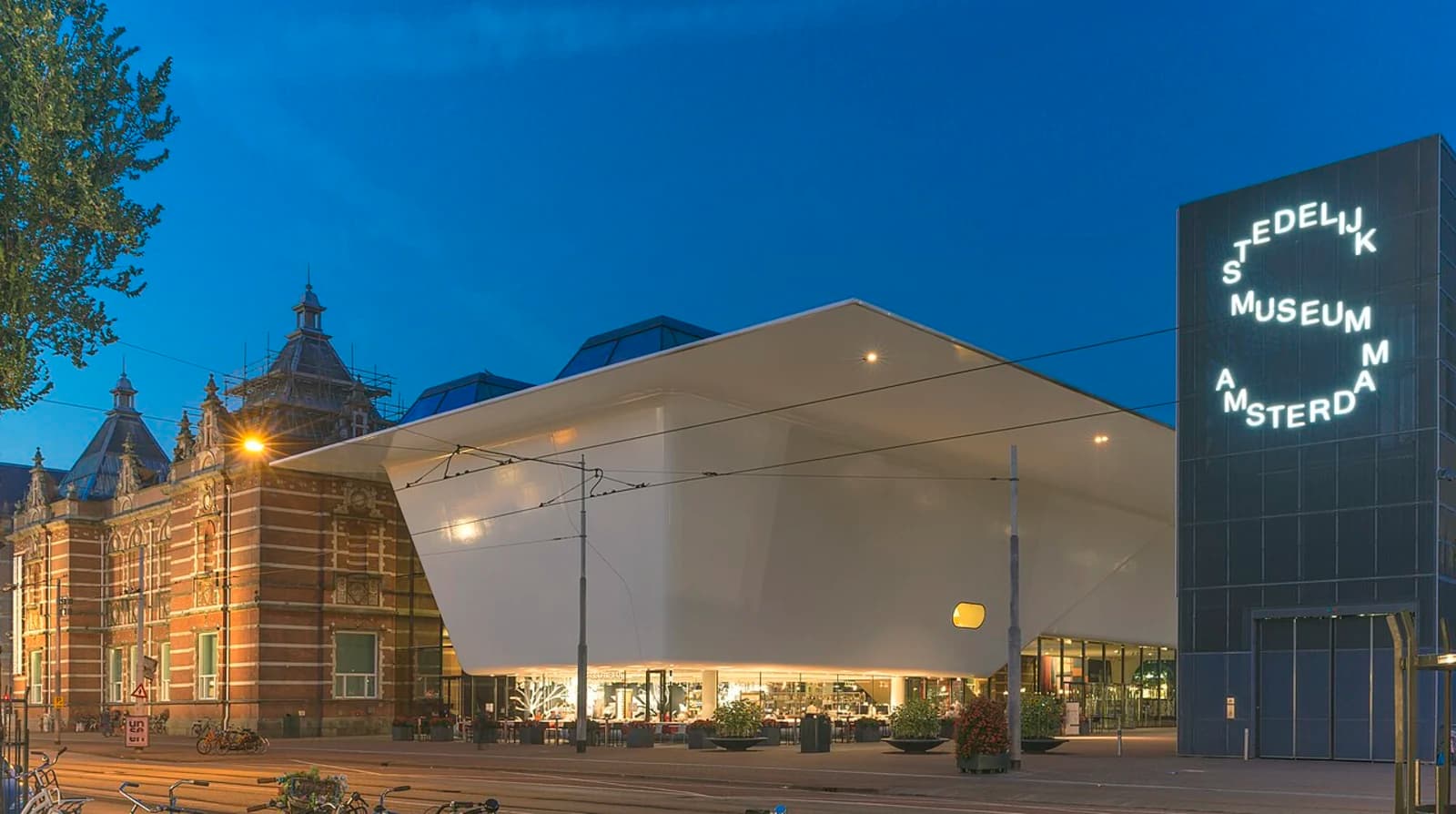
In 1900 the Stedelijk Museum in Amsterdam hosted a rare public display of the Six family collection, one of the finest private art holdings in the Netherlands. The exhibition brought together paintings and family portraits belonging to three members of the patrician Six lineage: Jonkheer P. H. Six van Vromade, Jonkheer J. Six, and Jonkheer W. Six. Among the works on view were two paintings by Vermeer, listed as entries 70 and 71 in the catalogue: The Milkmaid and The Little Street.
Both paintings had entered the Six collection through Lucretia Johanna van Winter, who inherited them from her father Pieter van Winter and married into the Six family in 1822. By the turn of the century they were celebrated as major attractions of Amsterdam’s cultural life, but the Six heirs ultimately chose to sell rather than retain the collection. In 1908 the Dutch State, with support from the Rembrandt Society (Vereniging Rembrandt), purchased The Milkmaid along with thirty-eight other works from the Six collection for the Rijksmuseum, following a parliamentary debate in which concerns about the painting leaving the country for an American buyer played a decisive role.
The Little Street remained in Six family hands for another two decades. At a Six sale in Amsterdam on 12 April 1921, Sir Henry Deterding acquired it for 625,000 guilders and presented it as a gift to the Rijksmuseum the same year. Both paintings remain in the Rijksmuseum today.
- Dates
- 1 Jan 1900 – 31 Dec 1900
- Museum
 Stedelijk Museum